Hi, this is Yusuke from Discover Japan Hidden.
When you’re planning your first trip to Japan, searching for what to pack for japan often leaves you with scattered information, and it’s pretty easy to wonder, “What exactly should I put in my suitcase…?” Even with Japan packing list or Japan travel checklist articles, it can be tough to picture the real differences between seasons, how tight train stations can feel, or what Japanese onsen culture is really like.
As a Japan-based local guide, I talk with travelers every day about Japan travel essentials, Japan packing guide tips, what to wear in Japan, and what to bring to Japan. In this article, I’m sharing practical insights based on real experiences with guests from all over the world. You’ll get clear answers to questions like: what changes between summer and winter, what solo backpackers versus families really need, and which items you should bring from home versus what you can easily buy in Japan.
By the time you finish reading, your personal Japan packing list should feel much clearer—like, “Okay, I just need these items and I’m good to go.” I know this is the part you really want to figure out. Let’s sort it out together.
- How to prioritize the essentials for a smooth Japan trip
- What to wear in each season and how to handle heat, cold, and rain
- Optimized packing tips for carry-on travelers, backpackers, and families
- Practical preparation for power adapters, WiFi/SIM cards, cash, and cards
- What to pack for japan essentials guide
- Beginner-friendly what to pack for japan guide
- Japan travel checklist and packing list basics
- Seasonal and traveler-type what to pack for japan guide and Japan summer packing essentials for hot weather
- Japan winter packing must-have cold-weather gear
- Japan travel essentials for every traveler and Japan travel tips packing to avoid common mistakes
- Seasonal what to pack for japan and travel styles
What to pack for japan essentials guide
- Beginner-friendly what to pack for japan guide
- Japan travel checklist and packing list basics
- Seasonal and traveler-type what to pack for japan guide and Japan summer packing essentials for hot weather
- Japan winter packing must-have cold-weather gear
- Japan travel essentials for every traveler and Japan travel tips packing to avoid common mistakes
Let’s start with the items that will make your Japan trip significantly more comfortable. Having a solid foundation helps you adjust your detailed Japan packing list without second-guessing everything later.
Beginner-friendly what to pack for japan guide
The most important thing for beginner-friendly what to pack for japan planning isn’t bringing “everything perfectly.” What matters is being prepared enough so that even if you forget something, you can easily recover once you’re here. Japan has convenience stores and drugstores everywhere, so basic clothing and daily items are usually easy to replace.
So here are the three things I recommend you prioritize:
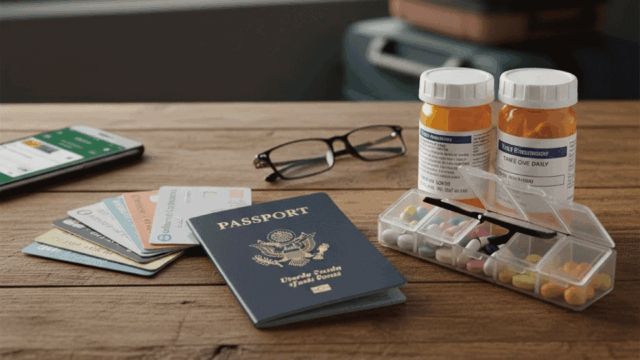
- Items that would be troublesome to lose (passport, credit cards, prescription medicines)
- Items that must match your personal needs (specific shoes, glasses, contacts, personal medications)
- Items that dramatically improve comfort (good walking shoes, a light jacket, pocket WiFi or SIM)
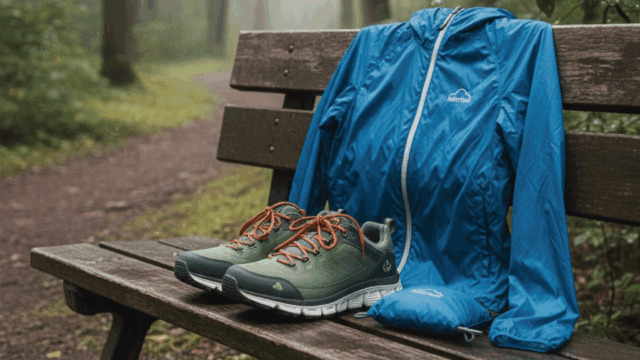
Especially comfortable walking shoes and a lightweight rain jacket are things almost every traveler says, “I’m glad I brought this.” Japan trips involve a surprising amount of walking—so choose comfort over style for your footwear.
Japan travel checklist and packing list basics
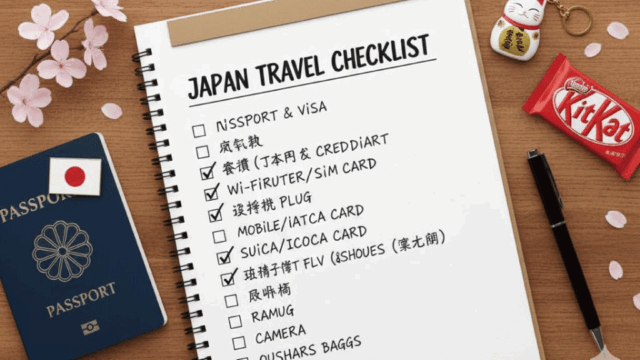
When building your Japan travel checklist, start by splitting everything into categories. It’s much easier to stay organized that way, whether you’re using a notebook or a memo app.
- Travel documents: passport, visa (if required), travel insurance documents or screenshots
- Money essentials: credit cards, debit card, some Japanese yen
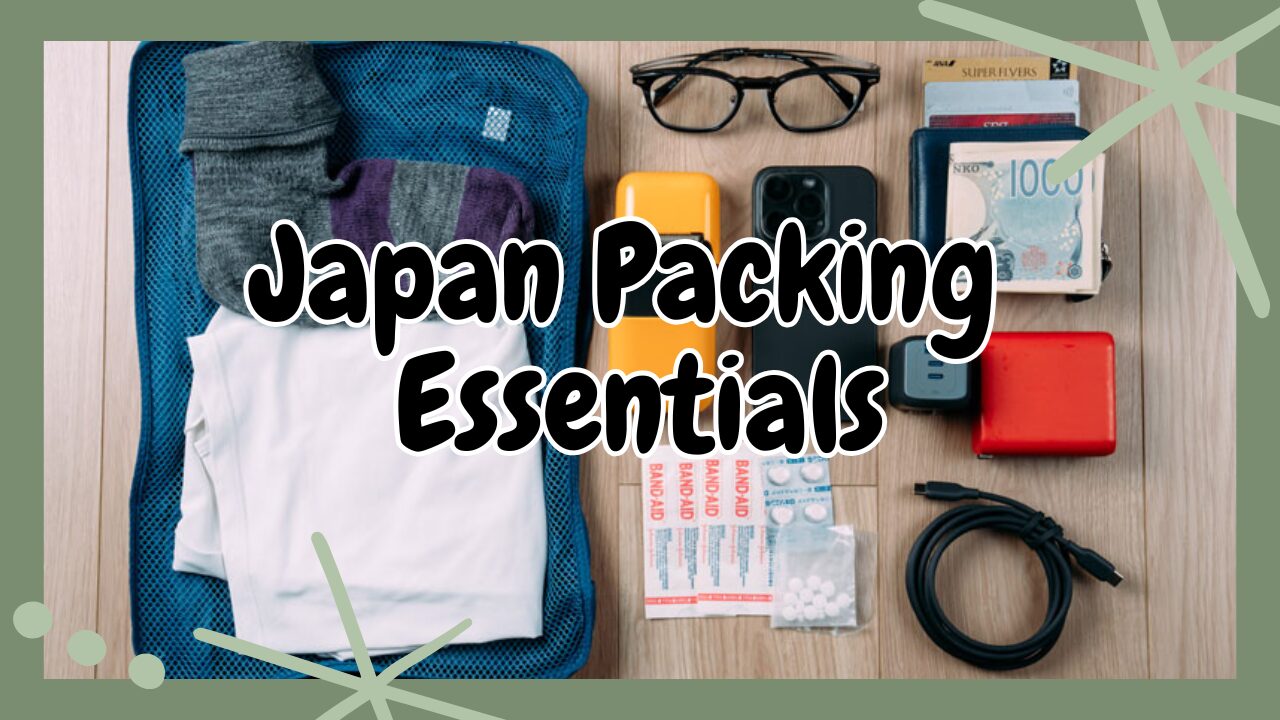
- Digital items: smartphone, chargers, power bank, adapter, earphones
- Clothes: seasonal tops and bottoms, outerwear, underwear, socks, pajamas
- Hygiene items: toothbrush, glasses/contacts, basic skincare, essential medications
- Convenience items: compact umbrella, eco-bag, reusable bottle, laundry net
Overpacking clothes is one of the most common mistakes. For most travelers, bringing 3–5 days of clothing and planning to do simple laundry is the sweet spot for keeping your luggage manageable.
Seasonal and traveler-type what to pack for japan guide and Japan summer packing essentials for hot weather
Your what to pack for japan list changes dramatically depending on the season and your travel style. Japan’s summer, especially, surprises many travelers with how hot and humid it is. It’s normal for temperatures to exceed 30°C (86°F), and the contrast between outdoor heat and strong indoor air conditioning can be intense.
Staying comfortable in Japan’s summer climate
Here are the Japan summer packing essentials I most often recommend:
- Lightweight, quick-dry shirts (cotton, linen, or athletic fabrics)
- Breathable shorts or lightweight pants
- A compact umbrella or lightweight rain jacket (for rainy season or sudden showers)
- Hat, sunglasses, and high-SPF sunscreen
- Cooling wipes or a small towel
Summer in Kyoto, Osaka, and Tokyo can feel like “a step before entering a sauna.” Stay hydrated and take breaks in shaded or air-conditioned areas. Climate details are general guidelines only. Always check the official weather forecast before departure and make final decisions based on up-to-date information.
Japan winter packing must-have cold-weather gear
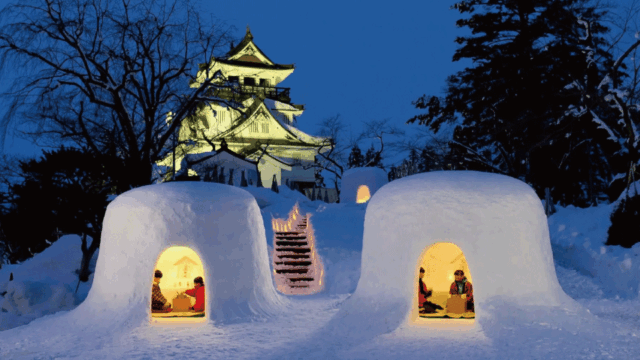
For Japan winter packing must-have cold-weather gear, the key is layering—not bringing multiple bulky coats. While Tokyo and Osaka rarely fall far below freezing, northern regions like Hokkaido or Tohoku require stronger cold protection.
- A lightweight but warm down jacket
- Thermal inner layers (top and bottom)
- Fleece or knit sweaters
- Warm socks and slip-resistant shoes or boots
- Warm hat, scarf, gloves, lip balm
Disposable heating pads called “kairo” are widely sold in Japan during winter, so there’s no need to bring many from home.
Japan travel essentials for every traveler and Japan travel tips packing to avoid common mistakes
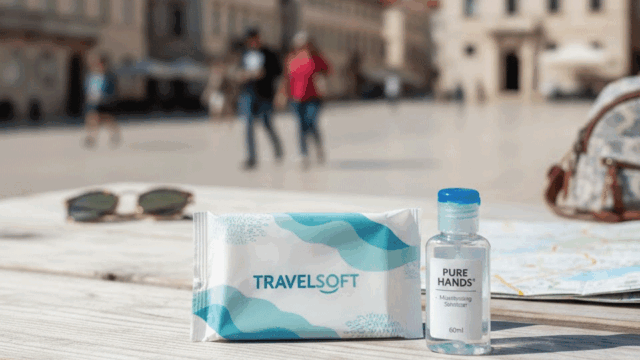
No matter when or how you travel, there are a few Japan travel essentials and packing tips that apply to everyone. These are the items and habits that consistently make a noticeable difference in comfort.
Universal essentials for any type of trip
- Your passport, a photocopy, and a written note of the passport number
- One or two credit cards plus a small amount of Japanese yen
- A reliable power bank (navigation and photos drain battery quickly)
- A reusable tote bag (many stores charge for plastic bags)
- Travel tissues and a pocket hand sanitizer
Common packing mistakes I see all the time:
- Packing too many clothes and shoes “just in case” and overstuffing luggage
- Forgetting cables or a power bank, then struggling to stay charged all day
- Bringing unnecessary towels or robes without knowing ryokan and hotels provide them
Most ryokan and hotels provide yukata robes and slippers, so you don’t need to pack bulky loungewear. It’s much smarter to save luggage space for souvenirs—you’ll appreciate that on your flight home.
Seasonal what to pack for japan and travel styles
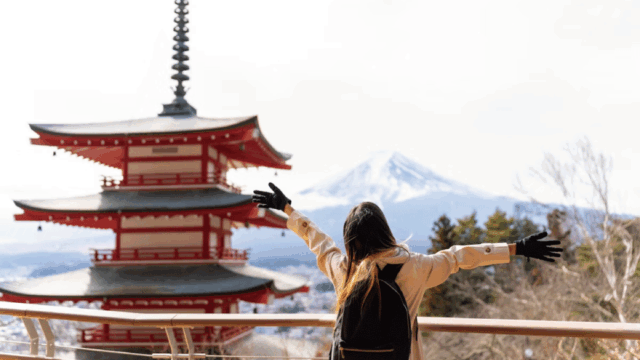
Now let’s get into more specific what to pack for japan recommendations based on the season and your travel style. Whether you’re a carry-on minimalist, a backpacker covering multiple cities, or a family traveling with young kids, this section will show you exactly what to focus on. Find the part that feels closest to your trip plan and start there.
Carry on only Japan packing essentials and Backpacker Japan packing list lightweight gear

If you want to travel Japan with carry-on only—or backpack through the country—the most important strategy is packing a minimal set and planning to do laundry. With 3–4 days of clothing, you can move around freely without heavy luggage slowing you down.
Core items for carry-on and backpackers
- 3–4 tops (quick-dry shirts plus one long-sleeve layer)
- Two bottoms (pants and shorts, depending on season)
- 3–5 sets of underwear and socks
- One lightweight rain jacket
- One pair of comfortable sneakers + light sandals
- A foldable tote bag (for groceries, laundry, or overflow)
A helpful rule of thumb for backpackers is asking yourself: “Can I comfortably carry this up and down station stairs by myself?” Not all stations have elevators or escalators, especially in smaller cities.
If you want deeper insights on traveling solo around Japan—routes, budgets, cultural tips—my guide Solo Travel in Japan: A Local Guide walks through it all. Minimalist travelers often find it very helpful.
Family packing list Japan must-have items
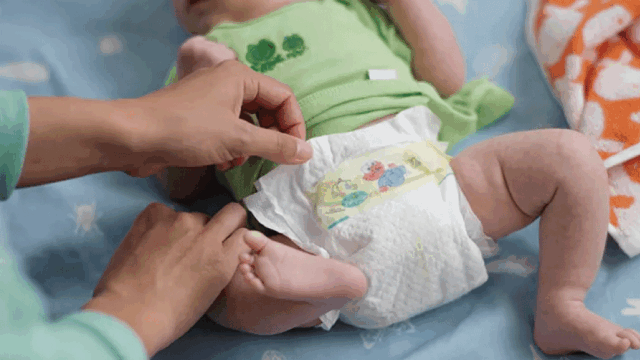
One of the biggest challenges with family packing list Japan must-have items is preventing your luggage from getting overloaded with kids’ gear. The best balance is: pack for the first 2–3 days, then buy what you need locally.
- 2–3 days of clothing for your child (plan to wash at the hotel)
- Diapers and wipes purchased after arrival at drugstores
- Favorite snacks or small toys for trains and flights
- A lightweight stroller or a baby carrier
For medical items, allergy-safe foods, or anything essential to your child’s health, consult your doctor before traveling and prepare properly. Import rules for medication or food vary between countries and may change. The details here represent general guidance only. Please check official government sources and your airline for accurate regulations, and consult medical professionals for final decisions.
Japan adapter charger pack and voltage basics
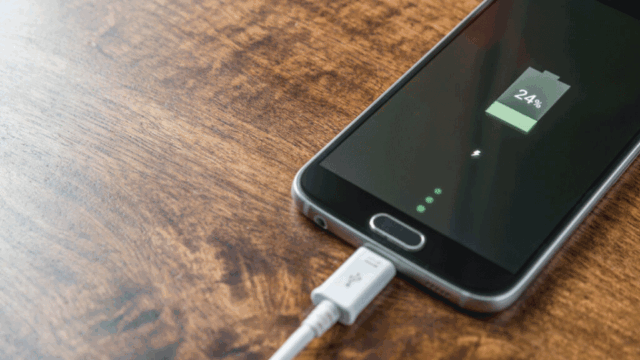
Japan adapter charger pack and voltage basics are often overlooked, but they really matter. Japan uses 100V power and Type A plugs (two flat pins). Here’s what that means for you:
- North American two-pin plugs usually work without an adapter
- European or three-pin plugs require an adapter
- High-watt devices (hair dryers, straighteners) must be dual-voltage to avoid damage
Most phone, laptop, and camera chargers support “100–240V,” so voltage converters are usually unnecessary. Always check your charger’s label to confirm.
Electric standards differ by country and device, and may change over time. This section provides general guidelines only. Please verify your device’s specifications through the manufacturer’s official information, and consult a qualified professional when needed to avoid damage or safety risks.
Pocket WiFi vs SIM Japan: how to choose
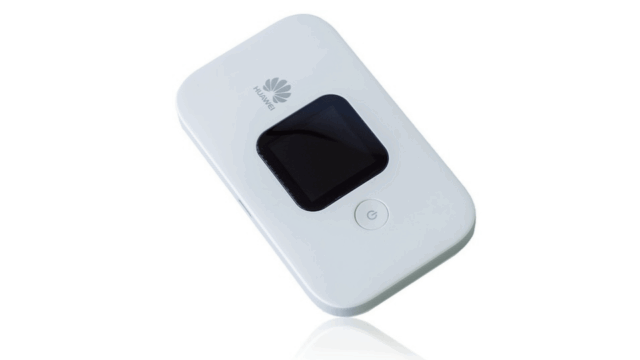
Choosing between Pocket WiFi vs SIM Japan depends on your travel group size, data usage, and how light you want to travel. A quick guide:
- Groups & families: Pocket WiFi shared by multiple devices is cost-efficient
- Solo travelers or short stays: eSIM or physical SIM keeps you lightweight
- Remote work or heavy streaming: choose a high-data or unlimited plan
For a deeper breakdown—battery life, airport pickup, data limits—check my full guide Pocket WiFi Japan Wireless Guide. It explains everything step by step.
Even if you plan to rely on hotel WiFi, it’s common to run into situations where you need maps or translation outdoors. If safety or privacy matters to you, my guide on Hotel WiFi safety in Japan may help you choose the right connection method.
Plans, prices, and roaming policies differ between providers and may change. All information here is general. Please confirm the latest details with each provider’s official website, and make final decisions with full understanding of your contract conditions or with expert help if needed.
Summary: first-timer’s what to pack for japan guide

To wrap up this first-timer’s what to pack for japan guide, we covered everything from the core Japan travel checklist, seasonal clothing, lightweight packing strategies, family travel essentials, Japan adapter charger pack basics, and choosing Pocket WiFi vs SIM Japan. It may feel like a lot, but honestly, you don’t need to bring everything perfectly.
The key is focusing your packing on three things: essentials you cannot replace, items specific to your body or comfort, and things that greatly improve the quality of your trip. Pack only 3–5 days of clothing, use local laundry, check your power and connectivity needs, and you’ll travel far lighter and with much less stress.
Remember that climate, rules, and prices vary by season and can change. Everything in this guide is a general reference. For visas, entry regulations, medical or safety questions, connectivity contracts, or electronic device use, always check official government pages and consult the appropriate professionals before making final decisions.
Once you feel like “Okay, I think I’ve got this,” you’re basically ready. Leave a little room in your suitcase for souvenirs and new memories—you’ll definitely want to bring something back from Japan.