Japan Packing Essentials: What to Pack
Hi, this is Yusuke from Discover Japan Hidden.
If you’re searching for Japan Packing Essentials, you’re probably wondering, “What do I actually need so I don’t mess this up?” I get it. This is the part that makes you pause with an open suitcase.
I live in a small rural town in Japan, and I’m a chef, I’m always in the garden, and I’m also a dad. So when I talk about travel prep, I’m not only thinking about famous sights. I’m thinking in everyday-life mode. Station stairs, sudden rain, a kid’s mood, how often buses run, what time shops close in the countryside. Those “real Japan” details are where packing makes a huge difference.
On this page, using a Japan Packing Essentials mindset, I’ll help you get everything sorted, from Japan packing list basics for beginners to What to pack for Japan documents, Japan travel essentials money cards, Japan travel insurance essentials, SIM card Japan travel options, and Japan luggage forwarding service tips, so you can finally think, “Okay, I’ve got this.”
- What to bring vs what to buy in Japan
- How to avoid problems with documents, money, and insurance
- Connectivity, charging, and not getting lost
- Spring/summer/autumn/winter clothing and walking comfort
Japan Packing Essentials Basics
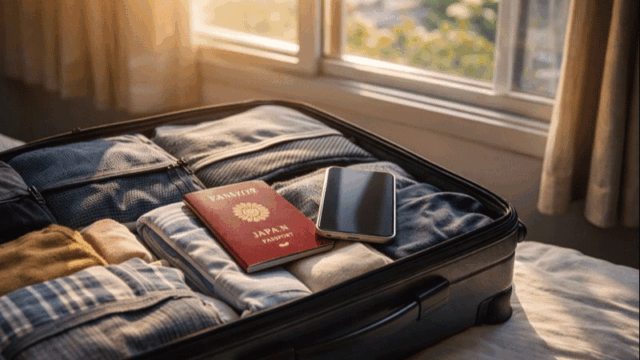
This section is where I organise the stuff that first-timers most often trip over, from a local, practical point of view. I’ll prioritise the “quiet but important” details that guidebooks often skip.
Japan-Packing-Essentials for First Time Travel
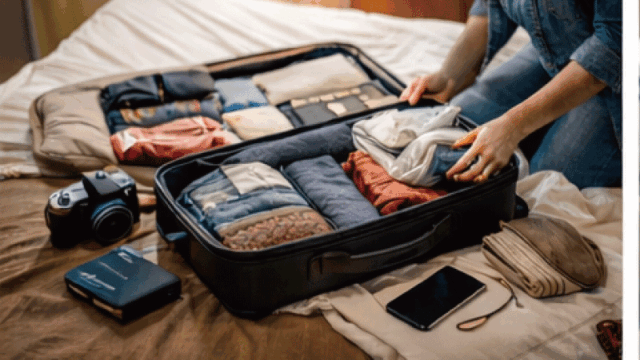
First thing I want to say: Japan Packing Essentials isn’t about bringing more. It’s actually the opposite. It’s about building a small, reliable core set that makes your trip feel lighter and easier.
Japan is very convenient, so the idea of “I can just buy it there” is half true. In big cities, you’ll find pharmacies and convenience stores open late. But the other half is where people get caught out. In rural areas, shops close early. Even in busy stations and tourist spots, there are quiet hours when you simply can’t grab what you need. That’s when packing choices start to matter.
The way I recommend thinking about it is a “one bad day” plan. It rains. Your phone battery dies. You take the wrong train. Your kid has a meltdown. Your stomach feels off. None of these ruin a trip by themselves, but if you’re not prepared, they stack up fast. If you can handle that slightly worse-than-average day, your trip becomes dramatically less stressful overall.
My one-bad-day minimum kit
- Power support (a power bank plus the right cable)
- A bit of cash and a backup card kept separate from your main wallet
- Rain protection (a compact umbrella or a light rain jacket)
- Basic meds that work for you (especially for stomach or headaches)
- A small towel and pocket tissues
One more thing, especially for first-time visitors: even if you forget something, don’t panic. In Japan you can often fix the problem at a 100-yen shop (people usually call them “100 yen stores”). You’ll find surprisingly useful travel items there, and most of them are inexpensive, so it’s a great fallback option, especially in cities.
Also, let’s talk about travellers who don’t fit the “standard template.” Vegans, people who need accessible options, and travellers with tattoos can run into gaps in English info. Smart packing helps bridge those gaps.
If you’re vegan, I recommend bringing a few lightweight backup snacks, especially for travel days or rural areas. If you need accessibility support, bring a spare of any essential personal aids you rely on. If you have tattoos, planning ahead for onsen (hot springs) matters, and having a simple cover option can help in some situations.
For me, travel planning and packing come as a set. If you only plan your route but don’t plan your gear, or if you pack well but don’t think about how you’ll move, the stress never fully disappears.
The order I use for packing
My biggest practical tip: don’t start by stuffing clothes into your suitcase. That almost always leads to overpacking. Decide your “lifeline items” first, then build your outfits around them. It’s the easiest way to keep your bag under control.
A simple order: documents and money → connectivity and power → walking comfort → weather protection → clothes → hobby gear (camera, etc.).
Next, using Japan packing list basics for beginners as the foundation, we’ll lock in What to pack for Japan documents and Japan travel essentials money cards in a way that prevents those “I’m stuck” moments.
Japan packing list basics for beginners
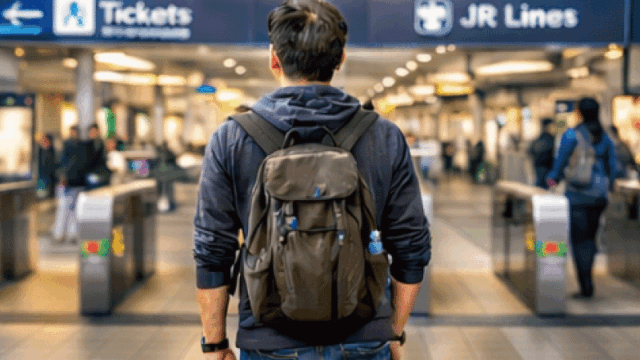
When you build Japan packing list basics for beginners, there are two common mistakes. One: too many different items. Two: not picturing how you’ll actually move around in Japan. Japan is a “moving country.” Stations, stairs, transfers, walking, crowds, sudden rain, strong indoor air conditioning. If you pack for that environment, your list naturally gets cleaner and smarter.
When friends visit my area, I always say this: your comfort on a Japan trip is decided by your feet and your hands. Feet means shoes and socks. Hands means your phone (maps, payments, translation) plus enough battery to keep it alive. If those are weak, even the best sights start to feel tiring.
A beginner-friendly category system
It’s much easier if you start with categories. This reduces “oops, I forgot that” moments.
| Category | Purpose | Examples |
|---|---|---|
| Documents & ID | Entry, travel, reservations | Passport, bookings, insurance |
| Money & payments | Avoid getting stuck | Cash, cards, IC card |
| Connectivity & power | Maps + confidence | SIM/eSIM, WiFi, chargers |
| Walking comfort | Reduce fatigue | Shoes, socks, blister plasters |
| Weather protection | Rain + temperature swings | Umbrella, light outer layer |
| Personal needs | Your body, your situation | Meds, allergy items |
Think “what you carry,” not only “what you pack”
Another big point: don’t just plan your suitcase. Plan what you’ll carry during the day. Japan often has coin lockers, but in busy stations or peak seasons they can fill up fast. If you have a stable “day carry minimum,” you can keep moving even when lockers aren’t available.
If your bag is heavy, stairs, crowds, and transfers can drain you fast. If you have health concerns, it may be safer to pack lighter and also build more breathing room into your itinerary. Your best pace depends on your body, so make the final call based on what feels right for you.
Once this base is solid, What to pack for Japan documents and Japan travel essentials money cards will fit naturally into place.
What to pack for Japan documents
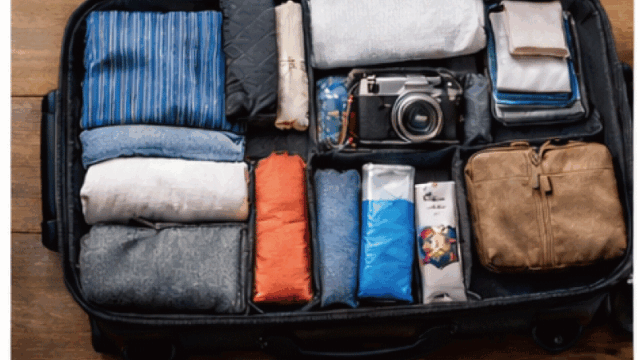
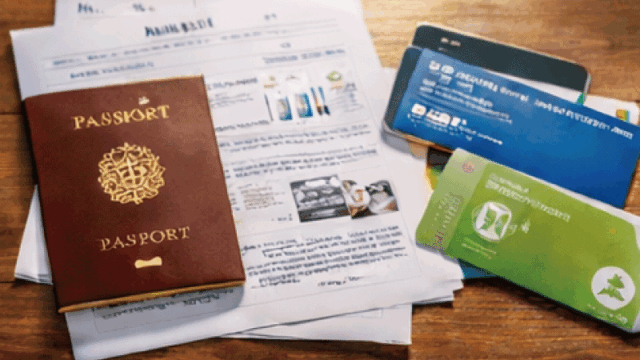
What to pack for Japan documents is “boring” until it saves you. Japan is often described as safe, but the most common travel pain isn’t crime. It’s logistics. Your phone breaks, a card gets blocked, you can’t find a booking email, an airport staff member asks for details. That’s when document prep suddenly becomes your best friend.
Your basic document set
I don’t recommend going fully paperless. I recommend “paper minimal.” You don’t need to print everything, but having a tiny backup can be a lifesaver.
How I set up documents
- Passport (of course)
- Flight details (screenshot + email)
- Accommodation booking (screenshot + address)
- Insurance policy number and contact (one small paper note)
- Allergy/med info (short and clear in English)
Check primary info for electricity
One area that surprises people is electricity. Hair dryers, straighteners, shavers: voltage differences can cause real trouble. For Japan’s voltage and frequency, JNTO provides primary guidance for travellers. This is worth checking before you fly (Source: JNTO “Plug and Electricity”).
Power issues can become a safety problem. Always confirm whether you need a transformer by checking the manufacturer label and official information. If you’re unsure, it’s safest to ask the manufacturer or a qualified professional.
Extra docs for families and niche needs
If you’re travelling with kids, having emergency contacts and basic medical notes on paper changes your stress level. If you’re vegan, a small Japanese note of what you can’t eat helps a lot in rural restaurants. If you need accessibility support, a short explanation of what assistance helps you (steps, lifts, extra time) makes it easier for station staff and hotels to support you quickly.
Once documents are sorted, the next big worry is “what if payments don’t work?” That’s why Japan travel essentials money cards is next.
Japan travel essentials money cards
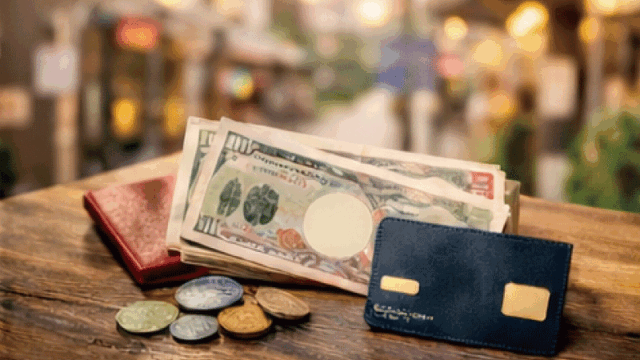
Japan travel essentials money cards is one of the most important sections for avoiding “I’m stuck.” Honestly, Japan is more cashless than before, but it still varies a lot by location and business size. Big-city chains often accept cards. Small rural shops, temple fees, local buses, and older guesthouses can still be cash-only. So the answer is simple: carry both cash and a card.
How I recommend carrying money
My number one rule is “split it.” If everything lives in one wallet and you lose it, your trip becomes a problem-solving marathon. Your safety net is how you divide things.
- Main wallet: daily cash + IC card + primary card
- Backup: one spare card + a small amount of cash (separate pocket)
- At the hotel: the rest of your cash and a passport copy
| Situation | Best option | Why |
|---|---|---|
| Convenience stores & vending machines | Cash or IC card | Fast and smooth in queues |
| Trains & buses | IC card | Less ticket hassle |
| Hotels & department stores | Credit card | Easier tracking for larger payments |
| Small rural shops | Cash | Card acceptance still varies |
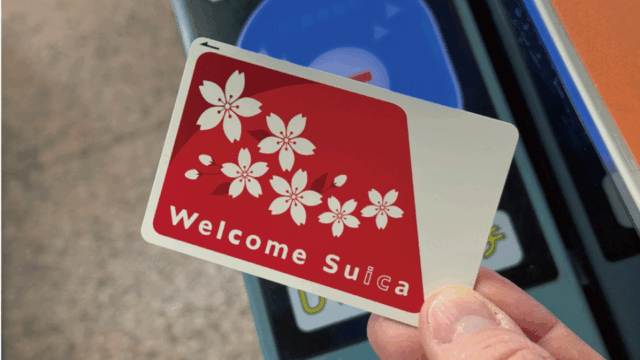
An IC card makes moving around feel lighter. If you’re landing in Tokyo, I’ve got a step-by-step airport guide here: Welcome Suica card at Haneda Airport guide.
Exchange rates, foreign transaction fees, and ATM fees depend on your bank and card provider. This article is general guidance, so please confirm details with your bank’s official information before you decide how much cash to carry.
Once payment anxiety is lower, the next question is usually, “Do I need insurance?” Let’s organise that clearly in Japan travel insurance essentials.
Japan travel insurance essentials
For Japan travel insurance essentials, I usually suggest thinking less about “Do I need it?” and more about “What am I worried about?” Because travel problems are weird like that. Most days, nothing happens. But if something does happen, it can cost time, money, and a lot of mental energy. Medical issues are especially stressful when you’re dealing with language barriers.
Coverage items worth checking
Every policy is different, so I can’t promise what any plan includes. But in general, these are the items I’d want you to check for peace of mind:
- Medical coverage (emergency care, hospitalisation, prescriptions)
- Personal belongings (phone, camera, luggage)
- Trip cancellation/interruption (health or family situations)
- Assistance support (help if you need extra support)
Niche travellers should check with your own needs
If you need accessibility support, it’s worth checking what assistance is actually covered. If you’re vegan, staying well is often about prevention, so packing a little “safe food backup” is part of your overall risk management in my mind. If you’re travelling with kids, the chance of fever or small injuries is higher than adults, so stronger medical support can really ease your mind.
Insurance is a contract product. Always confirm coverage details in the official policy documents. If you have specific health conditions, pregnancy, or serious allergies, it’s safest to consult a qualified professional so you can choose responsibly.
Now that the basics are sorted, we move to seasons and comfort. Japan has distinct seasons, so a Japan Packing Essentials by Season Guide approach makes a big difference.
Japan Packing Essentials by Season
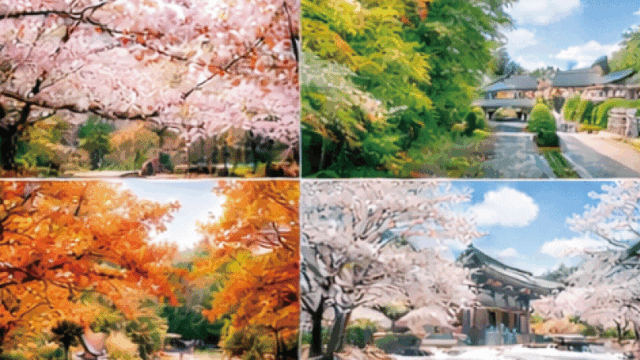
From here, we’ll get practical about clothing and seasonal items so you don’t get caught out. In Japan, the same month can feel very different depending on region, and indoor heating/AC can be stronger than you expect. That’s why layering wins.
Japan-Packing-Essentials by Season Guide
The core idea of Japan-Packing-Essentials by Season Guide is this: instead of bringing one heavy “solution” item, bring lighter layers you can combine. In rural areas, mornings and evenings can be cooler. In cities, underground passages and trains can swing between hot and cold. Those temperature shifts quietly drain your energy, so being able to adjust quickly keeps your trip stable.
Japan “comfort gap” moments
One thing that surprises first-timers is how cold indoor spaces can feel in summer. Cafés and trains sometimes blast AC, and when your sweat cools down, you suddenly feel chilly. In winter, the opposite happens: indoor heating can be strong and you end up carrying your coat all day. A light layer you can throw on or off quickly helps year-round.
A layering setup that works almost anytime
- Base: what touches your skin (quick-dry or your comfy everyday wear)
- Middle: a thin knit or shirt
- Outer: light protection from wind and rain
If you’re adding rural travel, think “night” and “transit”
If you’re reading Discover Japan Hidden, you probably want more than the classic tourist circuit. Rural areas shut down earlier, and buses can be less frequent. So a little extra warmth for evenings, spare socks for rain, and extra battery power. Those tiny things turn a day from “adventure stress” into “easy freedom.”
For families especially, I recommend one extra light layer for kids. The small weight increase is usually worth the big improvement in comfort and mood.
Now let’s get specific with What to wear in Japan summer, What to pack for Japan winter, and Japan packing list spring autumn.
What to wear in Japan summer
For What to wear in Japan summer, it’s less about “looking cool” and more about humidity and sweat management. Japan’s summer can be sticky, and with rainy season or sudden downpours, you can get wet fast. If you get this wrong, fatigue spikes and you start thinking, “Can I just go back to the hotel?” That’s not the vibe we want.
The summer winning pattern
I recommend a simple trio: breathable, quick-drying, and lightweight. Fabric matters. If clothes don’t dry well, you can feel cold after sweating, or you may start feeling uncomfortable with odour. Also, the sun can be intense, so a thin long-sleeve layer can actually feel better than only short sleeves.
Summer items that really help
- Quick-dry tops (you can pack fewer and rotate)
- A thin long-sleeve layer (AC + sun protection)
- Hat, sunscreen, sunglasses
- Compact umbrella or a light rain jacket
- Spare socks (I’m serious, this is underrated)
Temples, city walks, and the real heat
In summer, temple areas can have hot stone paths and limited shade. Hydration matters. You can buy drinks everywhere, but in crowds it’s annoying to search for them when you’re already tired. A small bottle you refill helps. Also, a small towel is basically essential in Japan. Toilets are clean, but paper towels aren’t always available, so it doubles as a hand towel too.
Heat affects your health quickly. Build rest into your day and don’t push it. If you have medical concerns or struggle with heat, it’s safest to consult a professional and make choices that prioritise your safety.
Once summer is handled, winter is the next big challenge. In What to pack for Japan winter, the key is understanding the “type” of cold.
What to pack for Japan winter
For What to pack for Japan winter, the biggest point is regional differences. Tokyo and Kyoto may have less snow, but cold wind and dry air can feel harsh. If you’re heading to Hokkaido or mountain areas, you’ll need snow and road-surface protection. It’s all “winter,” but the gear changes.
Win winter with layers
Rather than relying on one heavy coat, build warmth with inner and middle layers, then block wind with your outer layer. Indoors is often warm, so being able to put layers on and off easily keeps you comfortable.
Winter basics
- Warm base layer (comfortable on dry skin)
- Mid layer like a knit or fleece
- An outer layer that blocks wind
- Gloves, scarf, hat (especially helpful at night)
- Lip balm and moisturiser (dryness is real)
Footwear is a safety item
In snowy regions, safety matters more than style. Slippery surfaces can turn one fall into a trip-ending injury. Waterproof shoes with good grip are worth it. Even in non-snow areas, winter comfort can change a lot based on socks. Just one warm pair can make evenings much nicer.
Snowy roads and mountain weather can change fast. Please check official local updates and follow guidance from accommodation staff or local authorities. When safety is involved, it’s better to take advice from professionals on the ground.
Next is Japan packing list spring autumn, where the key is temperature swings.
Japan packing list spring autumn
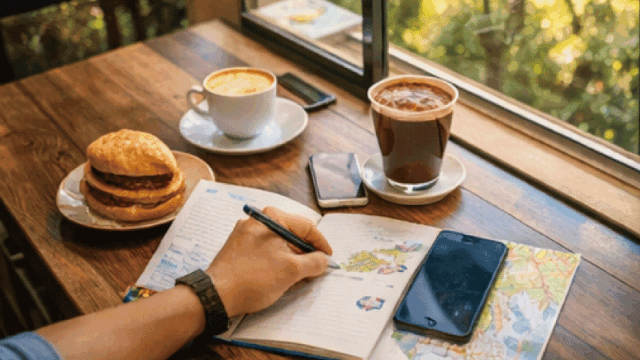
Japan packing list spring autumn is where people get relaxed and then get caught out. Spring can be warm in the day and chilly in the morning and evening. Autumn can shift quickly too. Add riverside areas, mountains, or rural towns, and it can feel cooler than you expect. That’s why “a light jacket + easy layers” is the best answer.
The best spring/autumn setup
I treat spring and autumn as “light cold + light rain” seasons. Windy days, rainy days, cloudy days when it suddenly feels cooler. One extra layer keeps your energy stable so you can actually enjoy what you came to see.
Spring/autumn items that carry you far
- Light jacket or cardigan
- Long-sleeve tops (layer-friendly)
- Light rain gear (compact umbrella)
- Walking-friendly shoes (you tend to walk more)
Preparing for Japan’s “shoes off” culture
Japan has moments where you remove shoes: temples, traditional inns, sometimes fitting rooms, and more. Socks matter more than you’d think. If they’re uncomfortable, sweaty, or have holes, your mood drops fast. Carrying one spare pair in your day bag is a small move with big impact.
If you have tattoos, onsen rules vary by facility. Planning ahead helps. I keep a collection here: Tattoo-friendly onsen guides in Japan.
Once clothing is sorted, the final “lifeline” is connectivity. Let’s simplify SIM card Japan travel options so you don’t overthink it.
SIM card Japan travel options
SIM card Japan travel options directly affects your safety and confidence. Maps, translation, train disruption updates, emergency contact, booking details. Your phone carries your whole trip. If your connection is unreliable, moving around starts to feel scary.
Choosing between SIM/eSIM and pocket WiFi
Here’s the simple version: if you’re mostly solo, SIM/eSIM keeps you light. If you’re travelling with someone (especially family), pocket WiFi can be easier because everyone shares it and the setup feels straightforward.
My quick decision rule
- Solo travel: eSIM/SIM for simplicity
- Couples/families: pocket WiFi for sharing
- Including rural areas: prioritise battery and backup methods
Don’t forget: connection + battery + offline
Even with great coverage, if your battery dies, you’re stuck. That’s why a power bank is a top priority. I also recommend offline maps (download ahead) and saving your hotel address as a screenshot. I’ve seen the worst combo more than once: “signal is fine, but no battery.” It sounds small, but it’s a real trip divider.
If you want a deeper guide on pocket WiFi, I have one here: Pocket WiFi Japan wireless guide.
Plans, prices, and coverage can change often. Please confirm details on each provider’s official site before you buy. The best choice depends on where you’re going (only big cities or also rural areas).
Now we finish with the Japan Packing Essentials final checklist to remove last-minute anxiety before you zip your bag.
Japan-Packing-Essentials final checklist
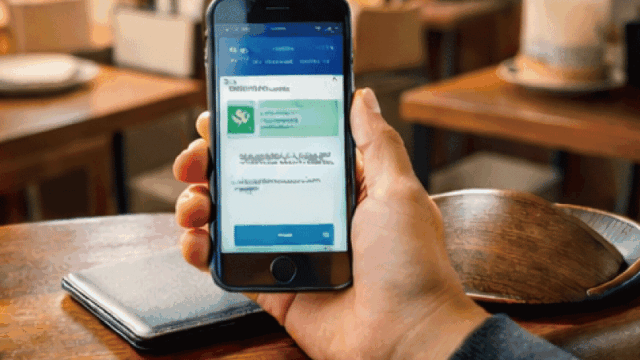
Japan-Packing-Essentials final checklist is the last step to delete that “I’m going to forget something” feeling. I split my checklist into two: what goes in your carry-on and what goes in your suitcase. Because what matters on arrival day is your carry-on. If you mess that up, day one becomes chaos.
What should go in your carry-on
Carry-on set that protects day one
- Passport and any required entry documents
- Phone, charger, power bank
- A bit of cash, main card, backup card (split up)
- Hotel address and booking screenshots
- Basic meds, plasters, mini hygiene kit
- A light layer and one spare pair of socks
What should go in your suitcase
Your suitcase is your “daily life base.” Clothes, toiletries, spare shoes, travel items. One thing I really like is packing cubes. They save time, and for families they make management much easier. In rural accommodation, rooms aren’t always spacious, so staying organised is genuinely helpful.
A small trick to travel lighter
Lastly, I’ll connect this to Japan luggage forwarding service tips. If dragging a suitcase between cities feels rough, Japan’s luggage forwarding (takuhaibin) can be a smart option. I often tell visiting friends: “travel days should be light.” When stations are crowded and stairs are unavoidable, less luggage doesn’t just help your body, it makes your whole day feel calmer.
This article is general guidance. For decisions related to health, legal requirements, or safety, please confirm official information and consult professionals when needed. Your best final choices depend on your own situation.
title tag setting:Japan Packing Essentials: The Complete Guide for First-Time Visitors
Meta description:A Japan local guide shares a practical Japan Packing Essentials plan: documents, insurance, cash vs cards, SIM/WiFi, and what to wear in every season, plus a final checklist to travel with confidence.