Japan Vegan Travel Guide to Sapporo & Japan | Local Vegan Food Tips
Hi, this is Yusuke from Discover Japan Hidden.
If you searched for a Japan Vegan Travel Guide, you’re probably wondering things like “Can I really travel Japan as a vegan?” “How do I handle the dashi problem?” or “Is Hokkaido actually vegan-friendly?” Yeah, it matters.
I live in a small rural town in Japan. I’m a chef, I grow things in my garden, and I’m also a dad. So I’m not sharing this from a purely tourist angle. I’m sharing it as a local who cares about what’s practical, safe, and genuinely enjoyable.
In this guide, I’ll keep it hands-on. I’ll cover vegan travel Japan tips, a Japan vegan food guide mindset, and a Japan vegetarian travel perspective. I’ll also get into Japan vegan restaurants in Hokkaido, Sapporo vegan restaurants, Hokkaido vegan hotels, plus what to expect with vegan travel Japan in 2025 and how to compare Japan vegan tour packages. Let’s make your options bigger, not your stress.
- The ingredients that trip vegans up in Japan and how to avoid them
- How to find food in Hokkaido without settling for “good enough”
- Simple ways to communicate in English and prep tools that actually help
- How to choose hotels and tours without nasty surprises
Japan Vegan Travel Guide for First-Time Travelers

This is your “first map.” If you understand Japan’s food habits upfront, decisions on the ground get a lot easier. I’ll be honest about the traps that don’t show up in glossy guidebooks.
Japan Vegan Travel Guide Basics

The biggest foundation for a Japan Vegan Travel Guide is this: don’t start with restaurant hunting. Start with how Japanese food is built. Japan does have shojin ryori (Buddhist temple cuisine), but everyday cooking often relies on dashi and layered seasonings. That means even if something looks veggie-based, animal ingredients can be hiding in the broth, sauce, or seasoning. You probably care about this, right? When I first guided friends from abroad, we had a few close calls where “it looks fine” turned into “wait, that’s fish stock.”
Think in two lanes when you plan
What I recommend is planning your trip in two lanes: days you aim for 100% vegan, and days you keep things flexible to reduce stress. On travel days or late nights, “perfect” can turn into exhausting. It’s often better to prioritise something you can eat with confidence. If every meal becomes a detective game, you’ll burn out fast.
A realistic travel goal is “consistent,” not “perfect.” On travel days or late nights, lock in reliable options first and your whole trip feels safer and smoother.
Food labels help, but they’re not magic
Packaged foods with ingredient lists are a lifesaver, but eating out is different. Every place runs differently, and menus change with seasons. I treat labels as a clue and confirmation as the final step, especially when health and safety are involved. If you want to understand the basics of Japan’s food labelling approach from a public source, this is a solid starting point(source: Consumer Affairs Agency, Food Labeling).
Everything here is a general guideline. The right call depends on your health, allergies, beliefs, and who you’re travelling with. Always check official information from the venue, and if needed, speak with a qualified professional. You’re the one making the final decision.
Once you’ve got this foundation, a Japan Vegan Travel Guide stops feeling like a hard game and starts feeling like a trip you can actually design.
What Vegan Food to Eat in Japan
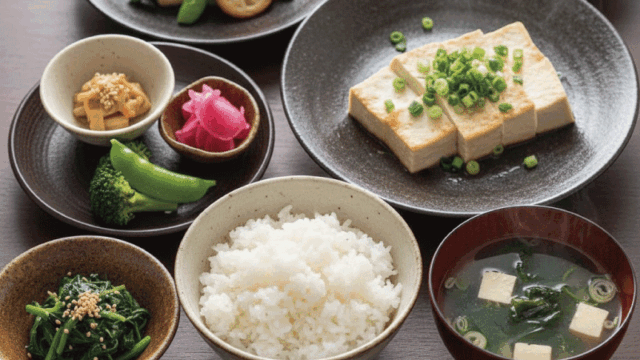
For a Japan vegan food guide approach, my first message is: don’t judge by appearance. Japan has a strong side-dish culture, so you’ll see a lot of foods that look vegan-friendly. Plain rice, edamame, chilled tofu, seaweed, simmered vegetables, vinegared dishes, and fruit often work well. But the key word is “often.” Even the same dish name can vary by region and by shop.
The common traps: dashi, dairy, eggs, and “hidden flavour”
The biggest real-world traps I see are miso soup, soba dipping sauce, udon broth, ramen soup, curry roux, and pickles with seasoned brine. People think “it’s vegetables, so it’s fine,” then dashi shows up and it’s not fine. Bread and sweets also commonly include butter, milk, gelatin, or other animal-derived ingredients. And salads aren’t automatically safe either because dressings and mayo-style sauces often contain egg or dairy.
How to find “safer-leaning” options
When you want fewer mistakes, think about the structure of the food, not just the name. Foods that are close to their original form (steamed veg, grilled corn, fruit) are easier because there are fewer places for animal ingredients to hide. Dishes where you can control the seasoning (salt or soy sauce on the side) also make life easier. On the other hand, soups, sauces, processed items, and anything “mixed” usually come with more checks.
A practical approach: In restaurants, you may not get a full ingredient list. Asking short, direct questions like “Is there dashi?” or “Do you use dairy?” is usually the most realistic move, especially when the place is busy.
If you’ll spend time in Tokyo, I really recommend adding one or two fully vegan meals as a reset. It helps you recover from “checking fatigue.” On my site, this guide can help: Tokyo Vegan Restaurants Guide.
Menus and ingredients can change. Always confirm with the venue’s official information before you go. If your decision affects your health, be extra cautious and consult a professional if needed.
A Vegetarian Travel Perspective on Japan
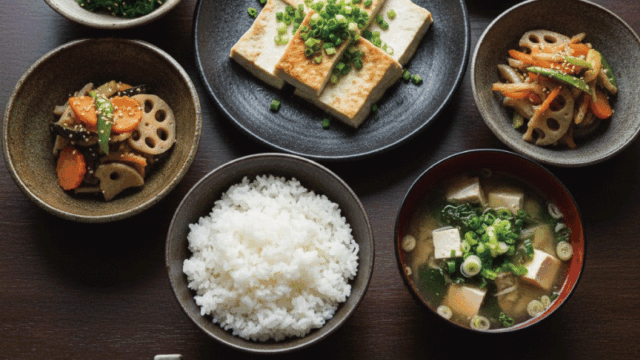
From a Japan vegetarian travel perspective, Japan has become more welcoming to “vegetable-forward” eating, and you’ll see more options than you might expect. But even if you say “vegan” in English, the definition can wobble in real life. You may get follow-up questions like “Eggs are okay?” “Dairy is okay?” That’s where misunderstandings happen. As a chef, I’ve seen that many Japanese dishes are built as a fixed “complete form,” so removing ingredients can be possible, but only if you’re aligned on what “vegan” means in practice.
Don’t rely on labels. Use a simple “no list.”
That’s why I suggest this: instead of leaning on the label “vegan,” tell people your specific no’s. Saying “no fish, no meat, no egg, no milk, no honey” reduces confusion fast. Even if someone’s English isn’t strong, single words usually land better than long explanations. And if you’re using a translation app, short sentences reduce weird translations.
A small trick: avoid peak hours
In Japan, during peak times staff may not have room for detailed checks. It’s not unkindness, it’s just reality. So if you can, go at calmer times: right after opening for lunch, or earlier in the evening. You’ll usually get clearer answers and a smoother experience.
Even when a place says they can “accommodate,” it may not mean a fully animal-free kitchen. Cross-contact, shared tools, and stock bases vary by venue. If it matters to you, confirm before you order and decide based on your own standards.
With this mindset, even when you read Japan vegetarian travel blog-style tips, you’ll start spotting what’s risky and what’s realistically doable. And that saves you time and stress.
Tips for Vegan Travel in Japan
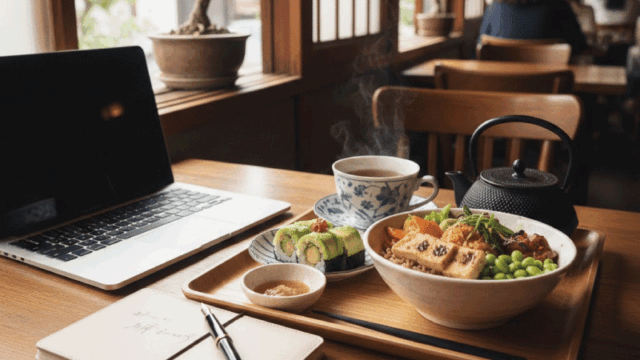
My core vegan travel Japan tips come down to a simple trio: communication, search, and backup. Your Japanese doesn’t need to be perfect. Clear and specific beats fluent every time.
Carry a few “working phrases”
More places understand “vegan” now, but not everyone shares the same definition. So I lead with key check words. In practice, asking about dashi, dairy, and egg usually catches the big issues quickly.
Easy, reliable ways to say it
- I don’t eat fish, meat, eggs, or milk
- Is there dashi in this?
- Do you use honey?
- Can you make it with separate equipment? (only if you need this)
| Situation | Quick question | What it catches |
|---|---|---|
| Noodles and soups | Is there dashi in this? | Fish/seafood stock hiding in broth |
| Bread and sweets | Is there milk in this? | Common dairy ingredients |
| Salads | Does this dressing contain egg? | Egg-based sauces and dressings |
| Japanese food | Do you use fish or meat? | Hidden flavour bases beyond dashi |
Search in English and Japanese for better hits
Search tools like HappyCow are useful, but you’ll often find more in Japan if you also search in Japanese. Using a translation app for words like “ビーガン,” “植物性,” and “精進料理” can reveal options you’d never see in English alone. This matters even more in Hokkaido, where English results can feel sparse depending on the area.
Build your backup in food and time
And don’t skip the backup plan. Travel includes delays, fatigue, and surprise closures. If you leave no margin, hunger turns into bad decisions. As a dad, I’m especially big on “don’t design a trip that forces you to rush.” Your judgement is better when you’re not running on empty.
If you want an easy place to review official resources before you go, I’ve put together a page here: Travel Essentials: Official Resources.
Translation apps and search results can be wrong or outdated. Always confirm the latest menu and policies via the venue’s official information. If your health is involved, be conservative and consult a professional if needed.
How Vegan-Friendly Hokkaido Really Is
About how vegan-friendly Hokkaido is: honestly, it varies a lot by location. Sapporo has more choices, but the further out you go, the harder it can get. Hokkaido’s food culture is strongly rooted in fish and meat, so broths and soups are a common barrier. Just knowing this ahead of time changes how you plan and how relaxed you feel.
Hokkaido’s best advantage: strong ingredients
There is a bright side. Hokkaido has fantastic produce, beans, potatoes, and corn. So instead of fighting the system, I often lean into foods where the ingredients do the work. Choose simple, ingredient-forward dishes and you’ll reduce the number of checks you have to make. Grilled corn, steamed potatoes, tofu, edamame, and straightforward vegetable dishes can be your best friends. You’ll also find stalls and tourist spots selling foods that are basically “ingredient + heat,” which can be surprisingly helpful.
Local “signature dishes” are often tough as-is
Hokkaido specialties like miso ramen and soup curry are amazing, but many versions use animal stock in the soup base or roux. In practice, I either go to places that clearly offer vegan versions, or I enjoy the “local vibe” through ingredient-forward snacks instead. Trying to veganise a standard shop’s signature dish on the spot can turn into a long Q&A session.
Season changes the game. Generally, summer to autumn brings more fresh produce options, while winter leans heavily into soups and hot pots where dashi checks increase. Always confirm current details via official information and on-site labels.
Hokkaido is huge and every area is different. Distances are long, so relying on “we’ll find something when we get there” can backfire. For safety and comfort, keep multiple options ready.
Japan Vegan Travel Guide: The Complete Guide
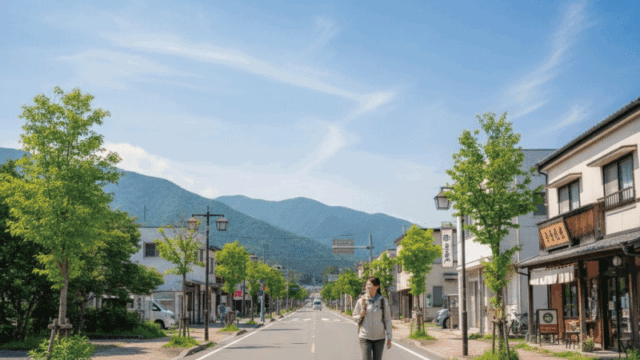
Now for the practical side. Where to look, how to choose, and how to plan in a way that actually works. I’ll include Hokkaido details, plus hotels, tours, and what to expect over time.
Japan Vegan Travel Guide: Practical Tips
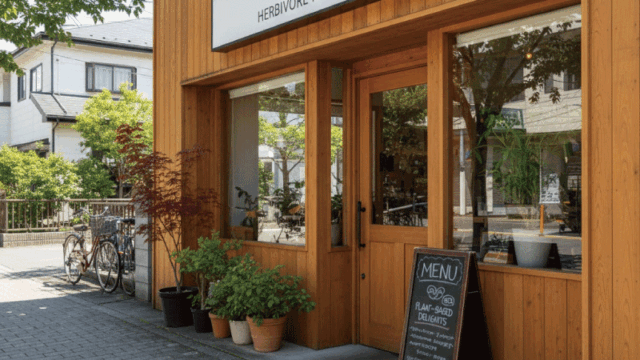
In this Japan Vegan Travel Guide practical section, I think in the order you travel. First: arrival day. Airports and stations feel like “there must be something,” but for vegans, searching on the spot can be a gamble. And when you’re tired, communication gets sloppy. That’s a very real trap.
Arrival day: decide in advance
So I recommend a pre-decided plan for arrival day. One fully vegan option bookmarked, and two convenience-store backups. That alone changes your stress level. If you arrive late, make sure at least one option is within walking distance of your hotel.
My arrival-day template
- Bookmark one fully vegan restaurant
- Buy fruit, nuts, seaweed, and bean-based snacks
- Grab something for breakfast the next day too
Create a daily rhythm that saves mental energy
What really helps is having a repeatable routine: keep breakfast simple, secure a reliable lunch, stay flexible at dinner. As a chef, I can tell you that food decisions can drain your brain more than you expect, especially in a new country. A rhythm protects your energy for the fun parts of travel: exploring, meeting people, and actually enjoying Japan.
Your nutrition needs change with weather, activity, and your health. If strict restrictions are affecting your wellbeing, don’t push through. Consider getting professional advice and put safety first.
Hokkaido Vegan Restaurant Information

For Japan vegan restaurants in Hokkaido, how you search is everything. The key is: don’t search only “Hokkaido.” Combine city names, station areas, and specific destinations. Hokkaido is enormous, so “in Hokkaido” can still mean hours away. If you search too broadly, you’ll end up with options you can’t realistically reach.
Use a simple three-step filter
Here’s my approach: (1) lock your area, (2) choose the type of food you want, (3) filter by travel effort. In Sapporo, for example, search by neighbourhood terms like “Susukino” or “Odori,” then add keywords like “vegan,” “plant based,” or “shojin ryori.” You’ll get far better results.
On the ground, short questions win
When you’re in front of a menu, the strongest tool is how you ask. Saying “vegan” is fine, but asking about specific ingredients is often more reliable. In busy places, short questions are best. I usually start with “dashi,” “milk,” and “egg,” because those three catch most surprises quickly.
Priority checks in order
- Does the soup or sauce contain dashi?
- Do you use butter or milk?
- Is egg used in sauces or batter?
- Is honey or gelatin used in sweets?
Extra local picks suggested by a Sapporo vegan chef
If you want more options beyond the “big four” below, I’ll share a few names that have been recommended in Sapporo’s vegan community. These can be helpful when you’re travelling with non-vegans or you simply want more variety in your saved list.
| Place | Type | Area | Why it’s useful |
|---|---|---|---|
| Maruyama Kawanaka | Japanese restaurant | Near Maruyama-Koen Station | Good when you want a more traditional Japanese meal with vegetable-focused dishes |
| Vegan French Restaurant L’Espérance | French course restaurant | Maruyama / Urasando | Strong choice for a special meal with seasonal Hokkaido vegetables |
| Noodle Fukunoki | Noodle shop | Chuo Ward area | Useful when your group wants noodles and you want a vegan-capable option |
Menus, ingredients, and opening hours can change. Always check official information before you go, especially for seasonal items or limited-time menus.
Guide to Vegan Restaurants in Sapporo
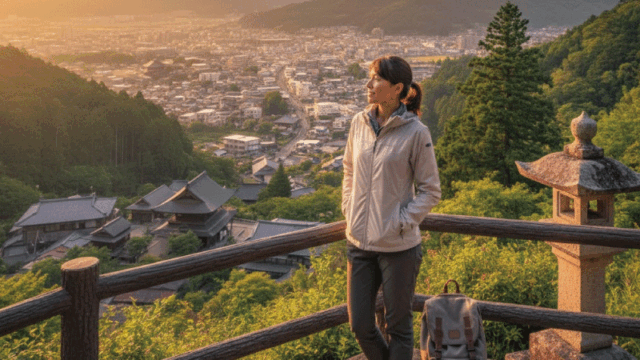
Sapporo is one of the most reliable cities in Hokkaido for vegan travellers. Compared to smaller towns, you’ll find fully vegan restaurants, vegan-friendly cafes, and chefs who clearly understand what “no animal products” really means. Still, knowing exact places in advance makes a huge difference, especially in winter or on busy travel days.
Four fully vegan spots in Sapporo worth planning around
Based on local reporting and long-term vegan chefs in Sapporo, here are four places where you can enjoy fully vegan meals with confidence. These are not “salad-only” spots. Each one shows how creative and satisfying vegan food in Sapporo can be.
All of the following are fully vegan, meaning no meat, fish, dairy, eggs, or animal-based stock are used in their core menus.
| Restaurant | Type | Address | Hours / Closed | Notes |
|---|---|---|---|---|
| Veggy Way | Plant-based cafe & restaurant | 2-3 Odori Nishi 27-chome, Chuo-ku, Sapporo | 11:30–18:00 Closed: None |
Rice-flour vegan pizza, zangi-style soy “chicken,” gluten-free and nut-free desserts available |
| L’Espérance | Vegan French restaurant | 1-7 Minami 1-jo Nishi 22-chome, Chuo-ku, Sapporo | Lunch: Wed & Sat Dinner: Tue–Sat Closed: Mon + some Sundays |
Seasonal vegan French courses using Hokkaido vegetables, reservation recommended |
| SALLOGA | Vegan cafe | 2-1 Minami 2-jo Nishi 23-chome, Chuo-ku, Sapporo | 11:00–16:00 Evenings by reservation Closed: Mon–Wed |
Vegan miso ramen, baked sweets, house-grown barley and vegetables |
| Shun Cafe | Vegan & gluten-free cafe | KAKU IMAGINATION 2F, Minami 3-jo Nishi 7-chome, Chuo-ku, Sapporo | 11:00–18:00 Closed: Tue |
Vegan parfaits, soy ice cream, gluten-free baked sweets in a quiet literary space |
How to use these restaurants realistically
If you’re travelling with non-vegans, I recommend choosing one fully vegan restaurant per day as your “anchor meal.” For example, lock in Veggy Way or SALLOGA for lunch, then stay flexible for dinner with your group. This approach avoids stress while still letting you enjoy Sapporo properly.
Seasonal and safety notes
Restaurant hours, menus, and closing days may change due to season, weather, or staffing. Always check the restaurant’s official Instagram or contact them directly before visiting, especially in winter.