The Complete Guide to Arashiyama Onsen

Hi, this is Yusuke from Discover Japan Hidden.
If you’re searching for arashiyama onsen, you’re probably feeling a mix of excitement and confusion. You’ve seen beautiful photos, you know Arashiyama is famous, but you’re not quite sure where the onsen actually are, how to get there without stress, or which option fits your travel style. That’s totally normal. Arashiyama onsen access, arashiyama onsen ryokan, arashiyama onsen day trip, and even quick options like arashiyama onsen spring or scenic baths all show up when you search, and it can feel overwhelming.
In this article, I’ll guide you through an arashiyama onsen overview from a local perspective. I’ll explain how arashiyama onsen scenery really feels on the ground, what the arashiyama onsen spring water is like, and how to move around efficiently. We’ll also go deep into arashiyama onsen prices, arashiyama onsen booking, arashiyama onsen tattoos, and arashiyama onsen seasons. I’ll share practical arashiyama onsen tips along the way, so choosing arashiyama onsen becomes simple and stress-free.
- Where Arashiyama onsen is and how to reach it smoothly
- Differences between ryokan stays, day trips, and short onsen visits
- Costs, booking timing, and what to prepare in advance
- Onsen etiquette, tattoo rules, and seasonal advice
The Basics and Appeal of Arashiyama Onsen
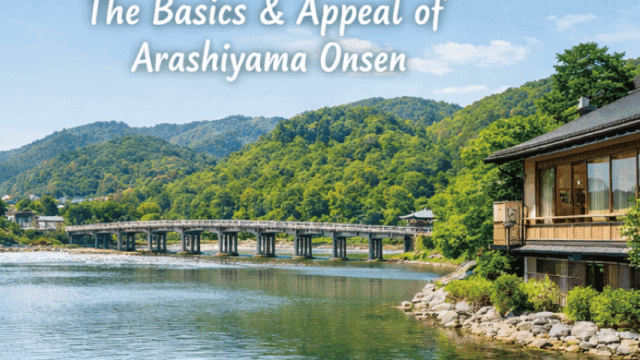
This section is about building a clear mental map. I’ll explain what Arashiyama onsen really is, how it fits into the wider Arashiyama area, and why it works so well for first-time visitors to Japan.
Arashiyama Onsen Overview
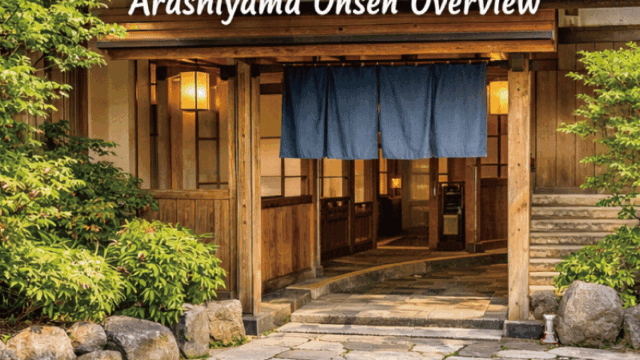
Arashiyama onsen is located in western Kyoto, right next to one of the city’s most famous sightseeing districts. When people hear “onsen,” they often imagine a quiet mountain town, but Arashiyama is different. Here, onsen exists alongside busy streets, souvenir shops, temples, and river views. That contrast is exactly what makes it appealing.
From a practical point of view, Arashiyama onsen is best thought of as an experience you add to sightseeing, not the main destination itself. You explore the bamboo grove, walk around Togetsukyo Bridge, visit Tenryu-ji, and then soak in hot spring water to recover. This rhythm fits very well for travelers who want both culture and relaxation in one day.
The hot spring water used in Arashiyama onsen is natural, and facilities range from full-service ryokan to casual day-use baths. Because it’s not a massive onsen town, choices are limited, but that actually makes planning easier. You don’t need to compare dozens of places. Instead, you choose the style that matches your schedule.
Arashiyama onsen officially began development in the early 2000s, making it a relatively new hot spring area compared to classic onsen towns.
For general background on hot spring definitions and classifications in Japan, the Ministry of the Environment provides official explanations of what qualifies as an onsen under Japanese law (source: Ministry of the Environment, Japan – Hot Springs).
Arashiyama Onsen Scenery
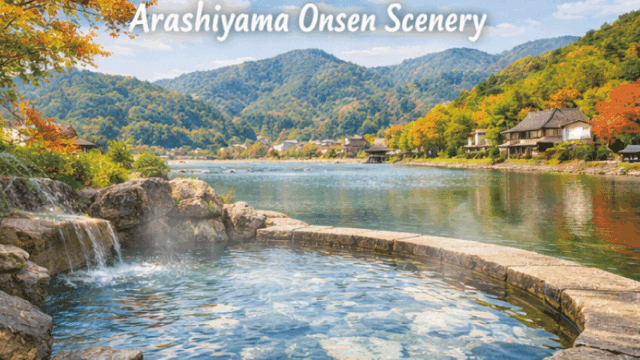
Scenery is a huge reason people choose Arashiyama, and onsen here benefit from that reputation. You’re surrounded by mountains, the Katsura River, and traditional townscapes. Even if your bath itself doesn’t have a panoramic view, the feeling of soaking after walking through such a historic area adds emotional value.
If you stay at a riverside ryokan, you may enjoy views of Togetsukyo Bridge or the surrounding hills, especially in the evening when crowds thin out. Day-use onsen are usually more enclosed, but the contrast between busy streets outside and quiet baths inside feels very Kyoto.
Seasonal changes are especially noticeable. In autumn, maple leaves frame the river, while in winter, steam rising from outdoor baths feels incredibly comforting. Spring brings cherry blossoms nearby, though baths themselves may not always overlook trees.
Local tip: Do your photography and sightseeing first, then onsen later. Once you soak, you won’t want to rush back into crowds.
Arashiyama Onsen Spring
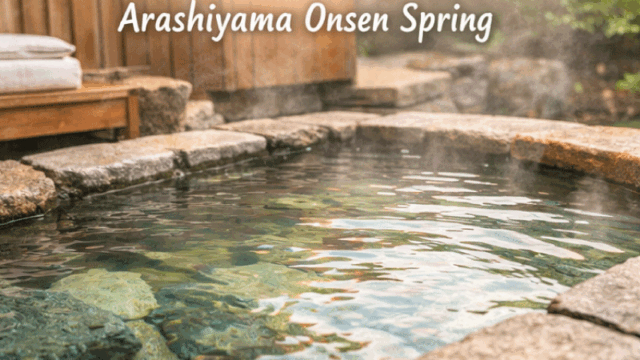
The hot spring water used in Arashiyama onsen is typically classified as a simple alkaline spring. In everyday terms, that means it’s gentle, smooth on the skin, and easy to enjoy even if it’s your first onsen experience. Many visitors describe their skin feeling softer after soaking.
Unlike strongly mineralized springs with intense smells or colors, Arashiyama onsen water is mild. This makes it popular with international travelers who may be unsure about hot springs. You can relax without worrying about strong sensations.
That said, onsen culture in Japan emphasizes moderation. You’re not expected to soak for long periods. Short, relaxed sessions are common. If you have health concerns, such as heart conditions or sensitivity to heat, it’s best to consult a medical professional before using hot springs.
Water temperature and circulation can vary by facility and season. Always follow posted guidelines and staff instructions.
Arashiyama Onsen Access
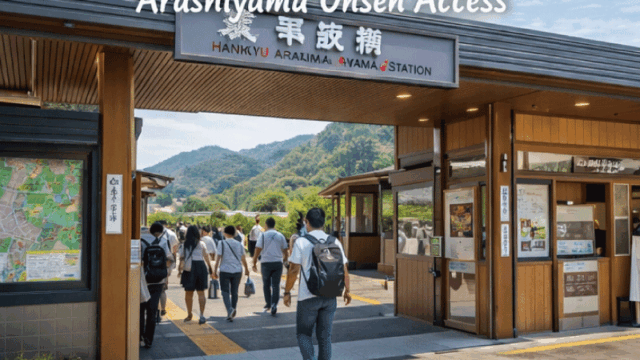
Access is one of the biggest questions I get. Arashiyama has multiple train lines and stations, and choosing the right one makes a big difference. The good news is that Arashiyama is well-connected and relatively easy to reach from Kyoto and Osaka.
| Starting area | Recommended route | Estimated time | Best for |
|---|---|---|---|
| Kyoto Station | JR Sagano Line to Saga-Arashiyama | 15–20 minutes + walk | Bamboo grove area |
| Central Kyoto | Hankyu Line to Arashiyama | 25–35 minutes | Day-use onsen |
| Osaka (Umeda) | Hankyu Line via Katsura | 45–60 minutes | Budget day trip |
Stations to remember:
- JR Saga-Arashiyama Station for bamboo grove access
- Hankyu Arashiyama Station for day-use onsen
- Randen Arashiyama Station for the footbath area
Travel times are general estimates. Train schedules and crowd levels change, so always confirm details close to your travel date.
Arashiyama Onsen Ryokan
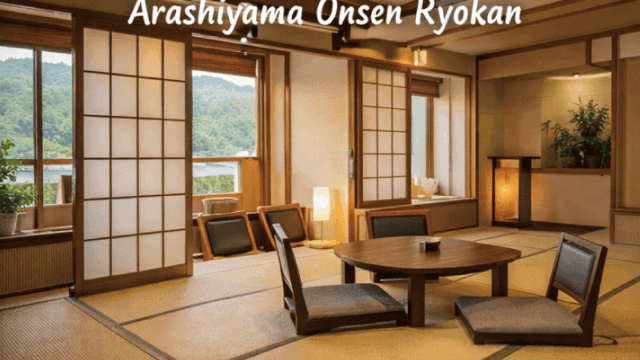
Staying overnight at a ryokan is the most immersive way to enjoy Arashiyama onsen. You get tatami rooms, seasonal meals, and the chance to enjoy baths when day-trippers have gone home.
Ryokan in Arashiyama tend to be higher-end, focusing on atmosphere and location rather than size. Many offer private baths, which is great for couples or travelers concerned about tattoos.
| Ryokan | Address | Phone | Recommended for |
|---|---|---|---|
| Kyoto Arashiyama Onsen Kadensho | Arashiyama Nishiichikawa-cho, Kyoto | 075-863-0489 | Private baths, first-timers |
| Hanaikada | Arashiyama Nakaoshita-cho, Kyoto | 075-861-0228 | River views, classic feel |
| Togetsutei | Arashiyama Nakaoshita-cho, Kyoto | 075-871-1310 | Traditional Kyoto ryokan |
Ryokan prices vary greatly by season and room type. Always check official booking pages for the latest details.
Booking and Practical Information for Arashiyama Onsen
This section focuses on decision-making. If you’re choosing between day-use and overnight stays, or wondering about prices, tattoos, and timing, this is where everything comes together.
Arashiyama Onsen Day Trip
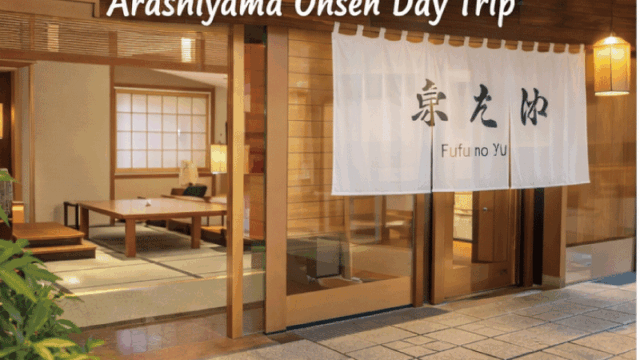
Day-use onsen are ideal if you’re visiting Arashiyama as part of a packed Kyoto itinerary. The most famous option is Fufu no Yu, designed specifically for visitors.
Fufu no Yu practical information
- Address: Arashiyama Kamikawara-cho, Kyoto
- Phone: 075-863-1126
- Hours: Typically 12:00–22:00
- Access: Near Hankyu Arashiyama Station
It’s simple, clean, and easy to use even if it’s your first onsen experience.
Arashiyama Onsen Prices
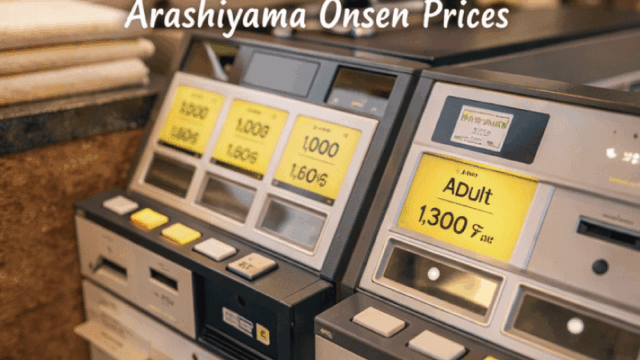
Prices depend on the experience you choose. Footbaths are the cheapest, day-use baths are mid-range, and ryokan stays are the most expensive.
Day-use baths are usually around 1,000–1,300 yen per adult as a general guide. Ryokan stays can range from moderate to luxury pricing depending on meals and rooms.
Arashiyama Onsen Booking
Booking is the part that feels “easy” until it suddenly isn’t. Arashiyama is small compared to big onsen towns, so popular ryokan rooms can disappear fast, especially when you’re traveling during cherry blossoms or autumn foliage. If you already know your Kyoto dates, I’d book your ryokan first and build the rest of your itinerary around it. You’ll save yourself a lot of last-minute stress.
When to book (realistic timing)
As a general guideline, weekends and Japanese holidays fill up earlier than weekdays. For peak seasons like spring and autumn, booking a ryokan 2–3 months ahead is a safe move if you want a specific room type (river view, private bath, larger family room, etc.). If you’re traveling in quieter months, you’ll have more flexibility, but Arashiyama is popular year-round, so “too early” is rarely a problem.
Quick rule: if your trip overlaps with peak sightseeing weeks, assume onsen accommodation behaves like concert tickets. The best seats go first.
Where to book (and what to watch)
You’ll usually see the same ryokan listed on Japanese platforms and global platforms, but the conditions can differ. Sometimes the price looks similar but the plan details change: dinner time options, meal style, room category, or whether breakfast is included. Before you confirm, check these items carefully:
- Meal inclusion: 1 night 2 meals (dinner + breakfast) vs room only
- Curfew / last check-in: ryokan often have a strict latest check-in
- Room details: private bath in-room vs shared bath vs private rental baths
- Bed setup: futon vs western beds (some rooms are mixed)
- Taxes/fees: local bathing tax or service charges may apply
Cancellation policies and payment
This is the part people skip, then regret. Cancellation policies can be strict, and the penalty window may start earlier than you expect. Some plans also require a credit card guarantee even if you pay later. If you’re using an international booking site, compare the cancellation rules shown there with what the property states in its final confirmation. If anything is unclear, it’s worth emailing the property before you commit.
Policies can change by season and by plan. Always confirm the latest cancellation and payment rules on the official booking page before your final click. If you have health or travel insurance questions, the safest move is to consult a qualified professional.
Small booking tips that make a big difference
Here are a few “local guide” moves that help first-time travelers:
- Arrive earlier than you think: checking in before dinner time keeps everything smooth
- Request dietary needs early: last-minute changes can be difficult for traditional kitchens
- Ask about luggage: if you’re coming from Tokyo or Osaka, consider sending big suitcases (takkyubin) and traveling light
- Confirm language support: many places can handle basic English, but it varies
Arashiyama Onsen Tattoos
Tattoos are a real concern, and I’m glad you’re checking. In Japan, tattoos can still be associated with organized crime in traditional contexts, so many public baths restrict them. In Arashiyama, the situation depends on the facility and even the specific bath type inside the same property. The good news is you almost always have a practical workaround if you plan smartly.
Your best options (from safest to riskiest)
- Private bath in your room: zero stress, best for couples and families
- Private rental baths: bookable time slots, more privacy, often tattoo-friendly
- Small tattoos with cover stickers: sometimes accepted, sometimes not
- Public baths with visible tattoos: most likely to be refused
How to ask politely (and get a clear answer)
If you’re unsure, ask before you pay or check in. A simple message like “I have a small tattoo, is it okay?” works fine. Staff are used to this question, and you’re not doing anything wrong by asking. If they say no, don’t argue. Just switch to a private option or choose another facility. You’ll still have a great experience.
Practical approach: If tattoos are a concern, prioritize ryokan with private baths or private rental baths. It removes uncertainty and lets you relax.
What about cover stickers?
Cover stickers can help for small tattoos, but they’re not universal permission. Some places sell them at the front desk, some allow you to bring your own, and some don’t allow tattoos even if covered. If you plan to use stickers, treat it as a “maybe,” not a guarantee, and always ask staff first.
Rules can change, and enforcement can vary by day and staff. Always follow the facility’s policy and signage. For the most accurate information, check the official site or confirm directly with the property.
Arashiyama Onsen Seasons
Arashiyama is one of those places where the season changes the entire experience. Not just the scenery, but also crowd levels, pricing, and how tired you’ll feel after walking. If you time it well, onsen becomes the perfect “reset button” for your day. If you time it poorly, you might end up queueing when you’d rather be soaking. This part matters, right?
Spring (roughly late Mar to early Apr)
Spring is famous for cherry blossoms, and Arashiyama gets busy. The upside is obvious: the area is stunning, and combining sakura with onsen feels like a Japan highlight reel. The downside is crowds and higher prices. My tip is to do sightseeing early, then onsen later in the afternoon when your legs are done.
Summer (roughly Jun to Sep)
Summer can be hot and humid, especially in Kyoto. The crowds may be a bit lighter than peak spring/autumn, but you’ll sweat more. Onsen in summer can still feel good, but shorter soaks are better. Focus on hydration and cooling down after bathing. If you’re sensitive to heat, schedule your onsen for evening.
Autumn (roughly Nov)
Autumn foliage is a big deal here. Expect heavy crowds, fully booked ryokan, and packed trains on weekends. The reward is the scenery: mountains and river views with red and orange leaves. If you want the “wow” version of Arashiyama, autumn is it. If you want a calm visit, consider weekdays or early mornings.
Winter (roughly Dec to Feb)
Winter is honestly one of my favorite times for onsen. The outside air is crisp, and the hot water feels amazing. Arashiyama can still be busy around New Year, but outside that period, you may find it calmer than autumn. Bring layers, and plan extra time for walking because it gets dark earlier.
Weather can shift quickly, and Kyoto mornings can feel colder than you expect. Check the latest forecast close to your travel date, and adjust your plan accordingly.
Arashiyama Onsen Tips
Let’s make your first onsen experience smooth. Most “onsen mistakes” happen because people are nervous, not because they’re disrespectful. You don’t need perfect etiquette. You just need a few key habits, and you’ll fit in naturally.
The simple onsen flow (step-by-step)
- Leave shoes at the entrance: follow the facility’s system
- Store valuables: use lockers if available
- Wash first: sit at the shower station, wash your body and hair
- Soak calmly: start with a short soak, then take breaks
- Hydrate: drink water after, and rest before heading out
What to bring (and what not to bring)
Many places provide basics, but it varies. I usually recommend bringing a small towel and having coins for lockers or vending machines, just in case. Avoid bringing your phone into bathing areas. Even if you’re not taking photos, it can make other guests uncomfortable.
My “no-stress kit” for Arashiyama onsen
- Small towel (even if the facility provides one)
- Hair tie (if you have longer hair)
- Water bottle for after bathing
- Cash/coins for lockers or vending machines
How long should you soak?
There’s no single correct time. For beginners, short sessions are best: soak for a few minutes, take a break, then soak again if you feel good. If you start feeling dizzy, overheated, or uncomfortable, get out immediately and cool down. Onsen is about relaxation, not endurance.
If you have medical concerns (heart conditions, pregnancy, heat sensitivity), it’s safest to consult a qualified medical professional before using hot baths. Follow facility guidance and your body’s signals.
Choosing Arashiyama Onsen for arashiyama onsen
Okay, final decision time. When you search arashiyama onsen, you’re basically choosing between three experiences: a full ryokan stay, a day-use bath, or a quick soak/footbath-style stop. The “best” option is the one that matches your schedule and comfort level. Let me make this super clear.
Pick your onsen style
| Your situation | Best choice | Why it works | Watch out for |
|---|---|---|---|
| You want the full Japan experience | Ryokan stay | Meals + quiet baths + Kyoto vibe | Higher cost, book early |
| You’re doing Arashiyama in one day | Day-use onsen | Easy, practical recovery after walking | Busy late afternoon |
| You’re short on time | Quick onsen stop | Fast, fun, low commitment | Not the “full soak” feeling |
| You have tattoo concerns | Private bath options | Less stress, clear rules | May cost extra |
If you’re still unsure, here’s my friendly shortcut: if Arashiyama is your “big Kyoto day,” do a day-use onsen to recover. If you want a memorable Japan night, choose a ryokan. Either way, arashiyama onsen is a great way to end your day with something that feels uniquely Japanese, not just another photo spot.
Final reminder: hours, prices, and rules (including tattoos) can change. Please check the official site for the facility you plan to visit, and make your final decision based on the most current information.