Atami Onsen Complete Guide | How to Get There & Hot Springs
Hi, this is Yusuke from Discover Japan Hidden.
If you searched for atamionsen, you’re probably feeling the same “wait, what do I actually do first?” confusion I hear all the time. You see Shinkansen routes, Tokyo connections, JR Pass talk, and then the big choices like Ryokan vs Luxury Resort. On top of that, you may be wondering about Private Onsen with Ocean View, and of course Tattoo-Friendly options. Yeah, it’s a lot, and it’s totally normal to feel unsure.
In this guide, I’ll make it practical: how to get there, where to base yourself, how to pick the right onsen style, and how to plan your day so you don’t waste time. I’ll also cover what to do around Atami Fireworks Festival, MOA Museum Must-See, Atami Castle Ropeway, Sun Beach Night Lights, and the food highlights like Atami Pudding and Kinmedai. I’m including addresses and phone numbers so you can build your plan from this page without jumping around.
- The simplest Tokyo to atamionsen routes and ticket strategy
- How to choose between Ryokan and Luxury Resort without regrets
- Realistic options for Private Onsen and Tattoo-Friendly needs
- How to connect fireworks, culture, beach walks, and food
Atami-onsen Guide for atamionsen
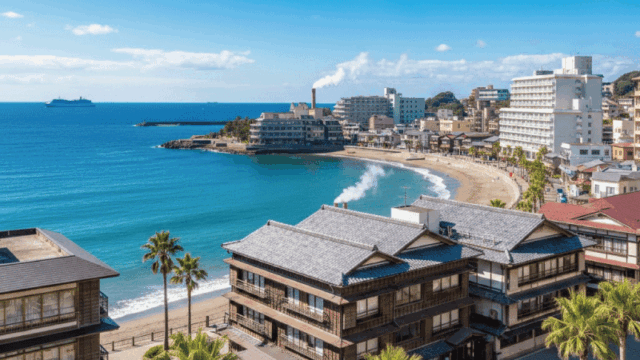
This first part is all about removing the two biggest stress points: transportation confusion and “which onsen experience is right for me?” Once those are clear, your trip feels easy.
Atami-onsen Trip Basics
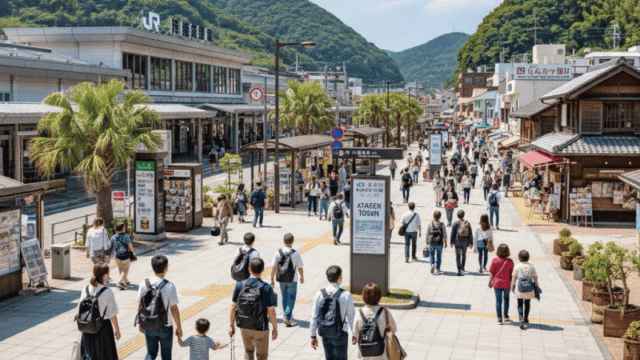
Atami is one of those rare places in Japan where a first-timer can do a “proper onsen trip” without complicated logistics. It’s coastal, it’s compact, and most visitors naturally funnel through Atami Station, which makes planning simple. The trick is to treat the trip like a small system: you set your base (the station area or a specific hotel zone), you decide your bathing style (public bath vs private bath), and you slot in one or two must-do activities around that. If you do that, atamionsen becomes low-stress in the best way.
Here’s the mindset I recommend: don’t plan Atami like a huge city. Plan it like a walkable onsen town with a few “anchor stops.” Your anchors might be your ryokan, the beach promenade, or a museum visit. Once you have anchors, everything else is just a short hop. This is especially helpful if you’re jet-lagged or traveling with someone who doesn’t want to rush. You’re here for hot water and a slow heartbeat, right?
- Use Atami Station as your navigation hub
- Choose lodging by your goal: views, privacy, food, or tradition
- Move around with a mix of walking and local buses
Atami Station is the main gateway. Address: 11-1 Tawaramoto-cho, Atami, Shizuoka. Phone (general info line often listed for station guidance): 050-2016-1600. If you arrive and feel disoriented, just reset at the station area first. Grab a drink, check your hotel route, and then move. That little pause saves a surprising amount of time later.
One more thing: onsen etiquette and “what’s allowed” can differ between facilities. Even within Atami, some places are strict and others are flexible. If you’re new to onsen rules, the single best official overview is this guide: (Source: Japan National Tourism Organization, Bathing Manners and Tips: Onsen Bathing Guide). I won’t overload you with rules here, but keep this principle in mind: wash first, soak quietly, and follow signage.
Also, schedules, policies, and contact details can change. Treat any numbers and hours as general guidance and always confirm on official websites or by phone before you go.
Shinkansen Tokyo Access
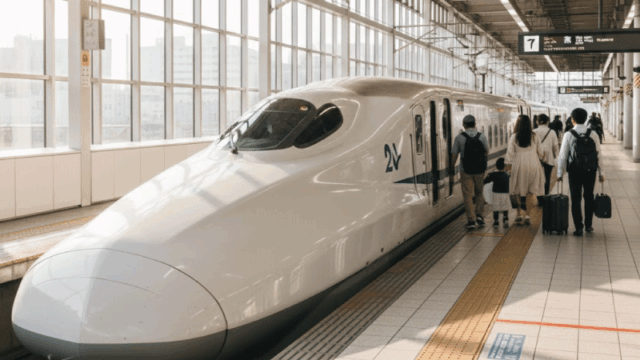
If you want the cleanest, easiest start to your Atami trip, Shinkansen is it. This is why Atami is such a strong choice for first-time Japan travel: it doesn’t require a complex transfer chain, and you can go from big-city mode to hot-spring mode fast. Most people connect from Tokyo Station or Shinagawa Station on the Tokaido Shinkansen and get off at Atami Station. The actual time varies by train type and schedule, but the point is: it’s short enough that Atami works for a one-night “micro-escape” or a relaxed weekend.
Here’s how I recommend you plan it in a very practical way. First, decide your departure station: Tokyo Station is convenient if you’re staying near central Tokyo or arriving from other lines; Shinagawa is often easier if you’re coming from the south side of Tokyo or you want a smoother station experience. Second, pick a Shinkansen time that gives you breathing room. For a first trip, I like “arrive in Atami before sunset” because checking into a ryokan and soaking before dinner feels like the proper rhythm.
Simple route checklist
- Start at Tokyo Station or Shinagawa Station
- Take the Tokaido Shinkansen to Atami Station
- From Atami Station, use walking, bus, or hotel shuttle
Atami Station as your base
- Address: 11-1 Tawaramoto-cho, Atami, Shizuoka
- Phone: 050-2016-1600
One small “first-timer hack”: if you arrive with a suitcase, handle your luggage before sightseeing. Either use station coin lockers or send bags to your hotel (some hotels help with this). You’ll enjoy Atami way more without dragging weight around.
If you’re unsure about which Shinkansen to take, just ask at a station counter. Staff are used to travelers saying, “I want to go to Atami today,” and they’ll guide you to the right platform and ticket type. And yes, always treat train times and platform info as something to confirm on the day, because schedules can change.
JR Pass and Tickets
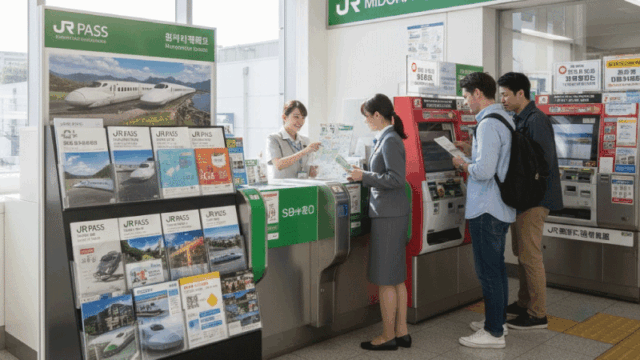
JR Pass talk can feel like a maze, so I’ll make it simple: JR Pass is great for certain multi-city itineraries, but it’s not automatically a good deal for everyone. If your Japan trip is basically Tokyo + Atami (and maybe one other nearby area), buying individual tickets can be more straightforward and sometimes cheaper. If your trip includes longer distances like Tokyo to Kyoto, Osaka, or beyond, then JR Pass becomes more worth considering. The key is: let your itinerary decide, not the hype.
Ticket buying itself is easy once you know what to do. In Japan you’ll usually choose between reserved seats and non-reserved seats. Reserved seats give peace of mind, especially if you’re traveling with luggage or during busy seasons. For a first trip, I often recommend reserving if you can, because it removes the “will I find a seat?” stress. Non-reserved can be fine too, but it depends on timing and crowd levels.
Beginner-friendly ways to buy
- Station ticket counter (good for English support)
- Reserved seat ticket machines (fast once you learn the steps)
- Online booking services (watch your pickup rules)
JR Pass exchange, pickup locations, and eligibility rules can change. Before you commit, confirm the latest terms on the official channels and make sure it matches your exact itinerary.
For Atami specifically, you can keep things stress-free by handling ticket decisions at a major station like Tokyo Station first, then traveling down to Atami smoothly. If you wait until the last minute at a smaller station during a busy time, you can lose time standing in line, and that’s not the vibe we want for an onsen trip.
Also, if you’re using travel cards or regional passes, always check which lines they cover. Some passes cover local trains but not Shinkansen, and that detail catches people off guard. When in doubt, ask staff: “Does this cover Shinkansen to Atami?” That one sentence saves mistakes.
Ryokan vs Luxury Resort
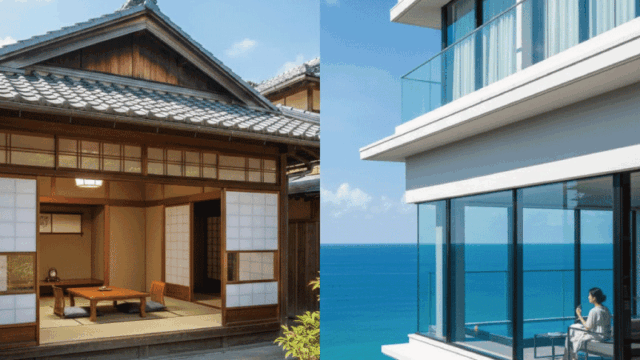
This is the decision that shapes your entire Atami experience. Ryokan vs Luxury Resort isn’t about “better or worse.” It’s about which style matches your idea of a perfect night. If you want the classic Japanese rhythm, ryokan is the full package: tatami rooms, set dinner, the feeling of tradition, and staff who guide you through the flow. If you want privacy and modern comfort first, luxury resorts in Atami can feel like a quiet sanctuary with high-end design, more personal space, and often in-room baths.
Here’s how I like to frame it for first-time visitors: if this is your first onsen stay in Japan, ryokan gives you the story. You learn the culture through the experience itself. But if you’re nervous about rules, shy about public baths, or you want to keep things simple, a modern resort with a private bath can reduce friction. You’ll still get the hot spring magic without “am I doing this right?” anxiety.
Who should pick Ryokan
- You want the traditional Japan feel: tatami, kaiseki-style meals, and ryokan service
- You care about hot spring culture and classic atmosphere
- You’re okay with a structured rhythm (dinner time, breakfast time)
Who should pick Luxury Resort
- You want privacy and a quieter, more independent stay
- You care about design, comfort, and modern amenities
- You prefer flexible dining or less formality
If you’re unsure, prioritize location and room comfort. A convenient location reduces stress, and a comfortable room makes everything feel better, especially if you’re adjusting to Japan for the first time.
Example of a classic choice: Furuya Ryokan. Listed address: 5-24 HigashiKaigan-machi, Atami, Shizuoka 413-0012. Phone: 0557-81-0001. This kind of ryokan is for travelers who want to feel “this is Japan” from the moment they step inside.
One practical tip: always read room plans carefully. Some listings show beautiful baths in photos, but not every plan includes a private bath or ocean view. If you want a specific feature, look for wording like “ocean view guaranteed” or “in-room open-air bath.” If it’s unclear, email or call. It’s worth it.
And just to keep things safe and realistic: onsen effects and comfort levels vary person to person. If you have health concerns, use hot baths carefully and consult a professional when needed. The final call should always be yours.
Private Onsen Ocean View
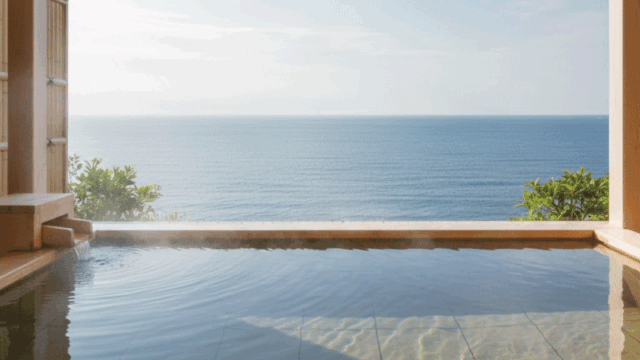
If you want the “Atami highlight reel” experience, Private Onsen with an Ocean View is basically the cheat code. It’s popular for good reasons: you get the hot spring soak without worrying about etiquette pressure in a shared bath, and you get the coastline atmosphere that makes Atami feel different from mountain onsen towns. For couples, friends, or anyone who values quiet time, this option can make the trip feel effortlessly luxurious.
There are a few ways to get this experience. The easiest is booking a room with its own bath (often an open-air bath). The second is choosing a ryokan with reservable private family baths. The third is selecting a hotel with a spa facility that offers private sections. The main thing: private availability can sell out quickly, even if the hotel itself still has rooms. If private bathing is a must for you, treat it like a priority feature and book earlier.
Common setups you’ll see
- In-room open-air bath (best for privacy and convenience)
- Reservable private bath (great balance of price and privacy)
- Large hotel spa with zones (check rules carefully)
If you’re traveling as a family, private baths are often the smoothest option. Kids can relax, parents don’t worry about bothering others, and the whole experience feels more comfortable.
| Property | Address | Phone |
|---|---|---|
| FUFUATAMI | 11-48 Minaguchi-cho, Atami-shi, Shizuoka 413-0016 | 0570-0117-22 |
| ATAMISEKAIE | 269-1 Izusan, Atami-shi, Shizuoka 413-0002 | 0570-0117-22 |
| AtamiKorakuenHotel | 10-1 Wadahamaminami-cho, Atami-shi, Shizuoka 413-8626 | 0557-81-0041 |
One important note: views can be tricky. “Ocean view” might mean a partial view depending on floor level, building position, and room type. If this matters to you, I recommend choosing a plan that clearly states the view or contacting the property. Same with baths: not all baths are hot spring-fed, and not all are open-air. Always check official descriptions, and don’t rely only on photos.
Finally, be sensible with soaking time. Hot water feels amazing, but if you’re dehydrated or tired from travel, you can get lightheaded. Take breaks, drink water, and listen to your body. If you have medical concerns, consult a professional and follow their advice.
Tattoo-Friendly Options
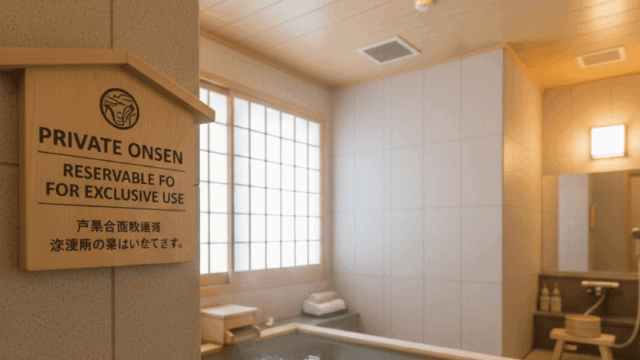
Tattoos are one of the biggest “I wish I knew this earlier” issues for onsen travel in Japan. Atami is no exception: some facilities are strict, some allow small tattoos if covered, and some simply recommend private baths. The frustrating part is that you can’t assume the rule from the region. It’s property-by-property. So the best strategy is not to hope. It’s to plan.
Here’s my realistic approach. If you want the easiest, safest route, choose a stay with an in-room bath or reserve a private family bath. That bypasses most tattoo restrictions because you’re not in a shared public space. If you really want a large communal bath, then you need to confirm the policy in writing or by phone. Look specifically for wording like “tattoos prohibited,” “tattoos allowed if covered,” or “stickers permitted.” If you see “no tattoos,” do not assume you can negotiate it on the day. Japanese facilities often follow posted policies strictly to avoid conflicts with other guests.
My practical “tattoo plan” options
- Best: book a room with a private bath (lowest stress)
- Good: reserve a private family bath (kashikiri / kazoku-buro)
- Conditional: use cover stickers if the facility explicitly allows it
Policies can change and staff decisions can vary. Always confirm the tattoo rule on the official site or by phone before you visit, especially if a communal bath is your goal.
As one example of a stricter policy, OCEANSPAFuua is widely known for clear tattoo restrictions. Listed address: 10-1 Wadahamaminami-cho, Atami City, Shizuoka 413-8626. Phone: 0557-82-0123. Rules can change, so check official information right before you go.
If you want a deeper breakdown of how tattoo rules tend to work across Japan, I keep a category page for that here: TattooFriendlyOnsen basics guide
And one more nuance that matters: even if tattoos are “technically allowed,” the expectation is still to be considerate. Keeping tattoos discreet when possible, speaking quietly, and following signage goes a long way. You’ll have a better time when everyone around you feels relaxed.
Plan Your atami onsen Routes
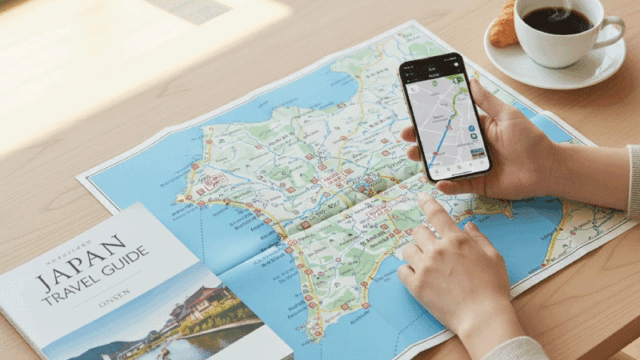
Now we move from “understanding” to “executing.” This section is about building a route you can actually follow, with addresses and phone numbers so you can navigate confidently.
Plan Your Atami-onsen Stay
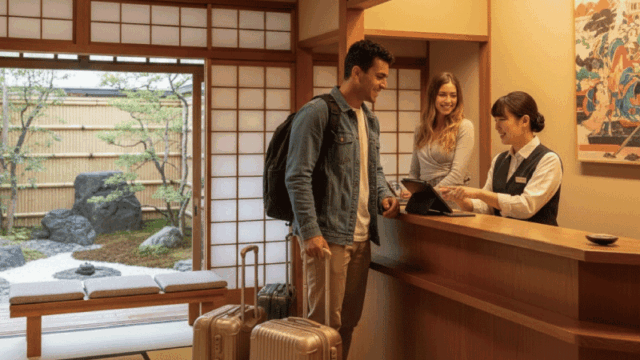
This is where your Atami trip becomes smooth. Most people over-plan in Japan and end up racing between spots. Atami doesn’t reward rushing. It rewards rhythm: arrive, settle, soak, eat well, take a slow walk, and repeat. So instead of building a checklist, build a flow.
I recommend you start by choosing your trip type: one-night stay (best overall experience) or a day trip (still worthwhile, but you need to prioritize). Once you decide that, everything else falls into place. If you have one night, the first day is about checking in early enough to enjoy the bath before dinner. The second day is about one main attraction plus food. If it’s a day trip, it’s about staying near the station and shoreline and not wasting time on long detours.
One night, two days (classic Atami rhythm)
- Day 1: arrive, check in, first soak, dinner, night walk
- Day 2: breakfast, one main attraction, snacks, return
Day trip (light but satisfying)
- Station area + beach promenade + sweets
- Add either the museum or ropeway if you have energy
Weekends can be crowded. If you can mix in a weekday, you often get a calmer bath experience and smoother transport.
If you’re still building your broader Japan route, this internal guide can help you understand how to connect destinations without overpacking your schedule: Japan itinerary ideas for 7+ days
Final planning note: budgets vary a lot. Hotel prices, transport costs, and activity fees shift by season and day of week. Treat any price you see online as a general estimate and always verify the latest on official booking pages.
Atami Fireworks Festival
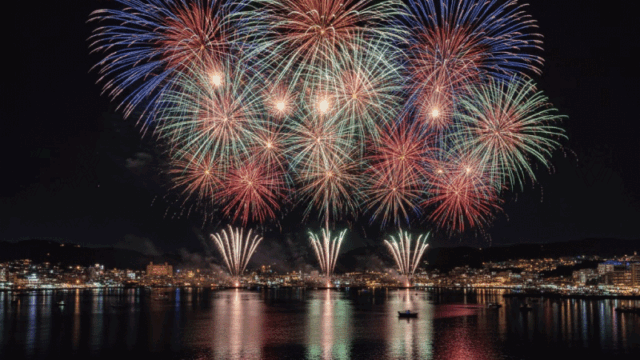
Atami Fireworks Festival is one of the easiest “wow” moments you can add to an onsen trip. The setting matters: fireworks over the bay feel different than fireworks over flat land. The sound echoes, the reflections hit the water, and it turns into a full sensory event. If you can align your trip with fireworks night, it can become the highlight of your entire Atami stay.
Here’s what you should know to plan it well. Fireworks nights can change the town’s pacing. Restaurants get busier, roads can feel tighter, and the best viewing areas fill up earlier than you expect. That’s why I recommend planning your dinner timing carefully. If your hotel dinner is fixed, confirm whether it conflicts with the fireworks time. If you’re eating out, reserve early or go casual and flexible.
Basic event framing
- Location: Atami Bay waterfront area
- Note: weather can affect schedules
Dates and times can be updated each year and sometimes adjusted by conditions. Always confirm the latest schedule on official announcements before you plan your entire day around it.
My biggest tip is simple: decide the fireworks first, then book the stay. On fireworks nights, room prices and availability can shift fast. If you’re traveling internationally, that last-minute scramble is stressful, so lock the key pieces early.
Also, keep your safety mindset. Crowds + waterfront + night photos can distract people. Watch your footing, keep an eye on your belongings, and give yourself extra time to return to the station or hotel after the show ends.
MOA Museum Must-See
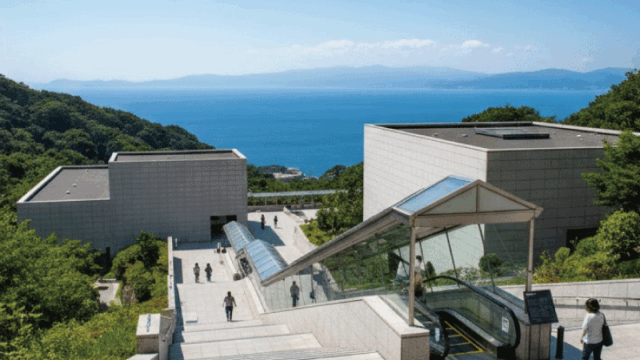
MOA Museum is the “I want culture without exhausting myself” option, and it fits Atami perfectly. Even if you’re not a hardcore museum person, the experience works because it combines art, architecture, and a strong hilltop view. For travelers who feel like onsen trips can become repetitive, this adds depth. And for first-time Japan visitors, it’s a comfortable way to experience a different side of the country without complicated travel.
- Name: MOA Museum of Art
- Address: 26-2 Momoyamacho, Atami City, Shizuoka 413-8511
- Phone: 0557-84-2511
Getting there without draining yourself
From Atami Station, bus or taxi is usually the smart move. Yes, you can walk in some cases, but there are slopes, and honestly, your energy is better spent on enjoying the bath and the meal later. If you’re trying to keep your trip relaxed, don’t turn it into a fitness challenge unless you actually want that.
If you want better photos and a calmer experience, arrive earlier in the day. Late afternoons can be busier depending on season and weather.
Exhibitions rotate and closing days happen. Please confirm opening hours and the latest visitor information on the official site before you go. If you have accessibility needs, it’s also worth checking barrier-free access details in advance.
Atami Castle Ropeway
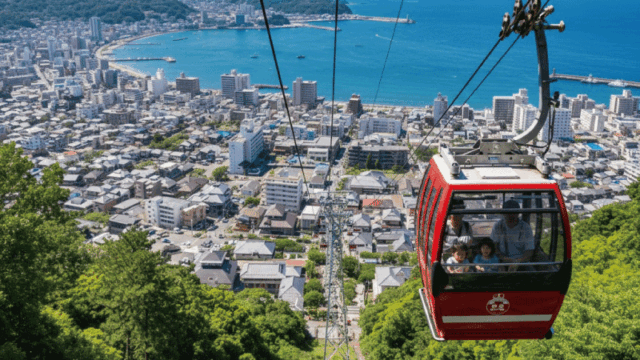
Atami Castle and the Ropeway are one of the simplest ways to understand Atami’s geography fast. When you see the coastline from above, you instantly “get” why the town feels the way it does. It’s also a great option for travelers who want a light activity between soaking sessions. You don’t need a full day. You just need a window of time and decent weather.
I suggest treating this as a set: ropeway up, quick visit, photos, then back down and return to the station area for snacks or dinner. It’s efficient, and it gives you that satisfying “I saw the town” feeling without long transfers.
Atami Castle
- Address: 1993 Sogayama, Atami-shi, Shizuoka
- Phone: 0557-81-6206
Atami Ropeway
- Address: 8-15 Wadahamaminamicho, Atami-shi, Shizuoka 413-0023
- Phone: 0557-81-5800
Ropeways can suspend operations due to strong wind or maintenance. If your day is tightly scheduled, check the operating status before you commit to the trip up there.
One more practical tip: if you’re traveling with kids or a group, agree on a meeting point at the base station. It’s an easy place to split up unintentionally, especially when everyone is taking photos or browsing small shops.
As always, opening hours and fees can change. Confirm official details on the day so you don’t get surprised.
Sun Beach Night Lights
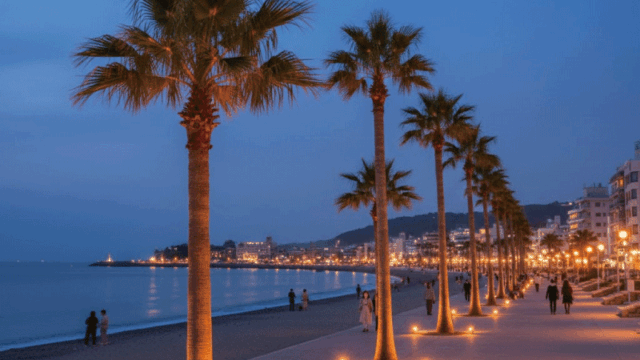
Sun Beach Night Lights is the kind of low-effort, high-reward experience that makes Atami feel romantic and calm. After a hot bath, your body is warm and relaxed, and a slow night walk by the sea becomes the perfect cool-down. If you’re traveling with a partner, it’s a natural “quiet moment.” If you’re traveling solo, it’s a safe-feeling way to enjoy the atmosphere without needing a plan.
- Name: Atami Sun Beach
- Address: Higashikaigancho, Atami City, Shizuoka 413-0012
- Phone: 0557-86-6218
How to enjoy it without overthinking
Go after dinner or after your second soak. Bring a light layer if it’s cooler season, because sea breeze can surprise you. If you’re there on an event night, the vibe can shift from calm to lively, so choose your timing based on what you want: quiet reflection or more energy.
Night photography is tempting. Just remember: watch the edge, be mindful of wet surfaces, and don’t block pathways when it’s crowded.
Lighting times and special event settings can change by season, so please check current official announcements locally. If you’re unsure, your hotel front desk usually knows what’s happening in the area that night.
Atami Pudding Kinmedai
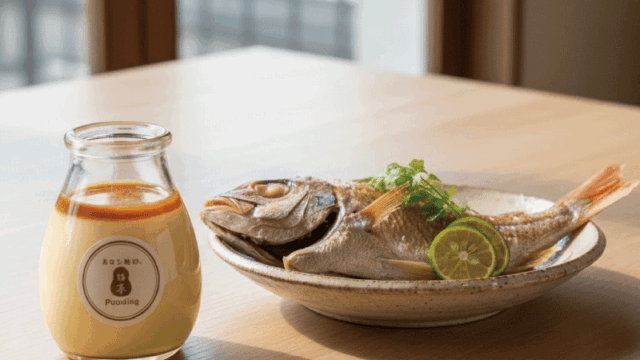
Food is a major reason Atami works so well for international travelers. You don’t have to “hunt” for good stuff. It’s right there near the station and along the main streets, which makes it beginner-friendly. The combo I recommend is simple: start with something sweet, then go savory. It keeps your energy stable and turns your walk into a fun tasting route.
Atami Pudding is popular because it’s easy, cute, and satisfying. Even if you’re not a dessert person, it’s a nice “I’m in Japan” moment, and it travels well for a short time if you’re walking. Then Kinmedai (golden eye snapper) is the classic savory highlight. It’s an Atami-and-Izu-area specialty, and trying it once makes your trip feel more grounded in local flavor.
Atami Pudding (station-area classic)
- Shop name: Atami Pudding (Flagship Store)
- Address: 3-14 Tawaramoto-cho, Atami, Shizuoka
- Phone: 0557-81-0720
Kinmedai (local “must-try” feel)
- Shop name: KinmedaiTokuzoAtami
- Address: 4-8 Tawaramoto-cho, Atami, Shizuoka
- Phone: 0557-81-0193
Popular shops can have lines and may sell out early. Treat opening hours and same-day availability as variable, and confirm with official shop info when possible.
How to fit food into your route
If you’re doing a day trip, put food close to the station before you go far. That way, you’re not rushing back hungry. If you’re staying overnight, save one “food walk” for the second day after checkout. It turns your departure into a fun final chapter rather than a stressful sprint.
Also, if you have allergies or dietary restrictions, ask before ordering. Japan is getting better at handling requests, but it’s still safest to confirm ingredients clearly.
Day Trip Wrap: Atami-onsen
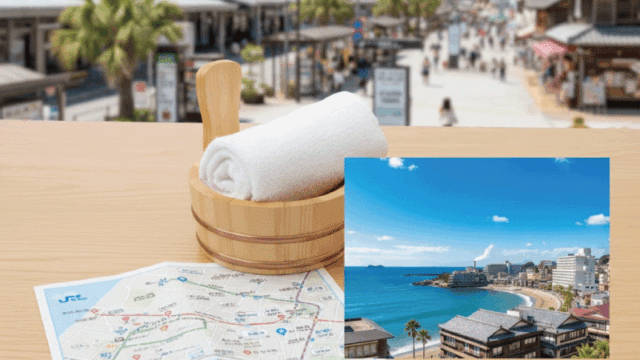
Let’s wrap this in a way you can actually use. If you do nothing else, keep this mental template: Atami Station is your hub, the beach is your easy walk, one major attraction is enough, and onsen time is the main event. When you keep the plan simple, you’ll feel like you truly experienced Atami instead of just “passing through.”
The simplest day-trip course is: Atami Station → Sun Beach → Atami Pudding → onsen (private bath if you want less stress). If you have extra energy, add either MOA Museum or the Ropeway. That’s enough to feel complete without rushing.
Last-minute checklist before you go
- Confirm your onsen tattoo policy (if relevant)
- Check fireworks schedule if you’re aiming for it
- Verify opening hours for museum/ropeway
- Give yourself buffer time for trains back to Tokyo
Costs, travel time, and even how your body reacts to hot baths can vary. Treat any numbers as general guidance, and please confirm accurate details on official websites. If you have health concerns, the final decision should be made with appropriate professional advice.
I hope this helps you feel confident about atamionsen. If you’re stuck between options, my honest recommendation is to prioritize easy access and private comfort. You’ll relax more, and that’s the whole point.