Kyoto’s guide to the best onsen in Kyoto

Hi, this is Yusuke from Discover Japan Hidden. If you’re searching for best onsen in kyoto, you’re probably juggling a few worries at once: “Does Kyoto even have real natural hot springs?”, “Should I go Arashiyama or Kurama?”, “What if I have tattoos?”, and “Is there a private onsen my partner or family can use without stress?”
Kyoto actually has more bath culture than people expect, but the details decide whether your day feels smooth or chaotic. Some places are true natural springs (onsen) with mineral-rich water, some are sento-style public baths that locals love, and rules can vary by facility, time, and even how busy it is. I’ll keep things practical: how to get there from Kyoto Station, what the bathing flow looks like, how to handle tattoos respectfully, and how to choose between an open-air rotenburo vibe and a simple neighborhood bath.
This guide is built so you can plan with confidence. I’ll include addresses, phone numbers when available, and realistic tips like when to go to avoid crowds, what to bring, and where to buy tattoo cover stickers if you want to try a stricter spot. If you just want a clear answer without digging through ten tabs, you’re in the right place.
- How to choose onsen vs sento in Kyoto without confusion
- Easy routes for Arashiyama, Kurama, and Kyoto Station bases
- Realistic tattoo friendly and private onsen strategies
- What to bring, etiquette basics, and how to avoid common mistakes
Best onsen in Kyoto basics for planning your trip
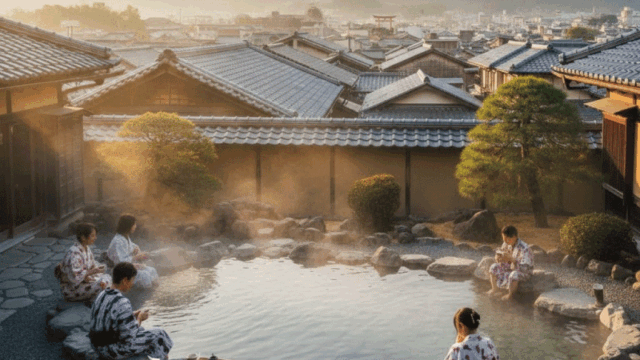
Let’s lock in the basics first, so your Kyoto bath plan doesn’t turn into a last-minute scramble. Kyoto is all about choosing the right area: Arashiyama for convenience, Kurama for the mountain escape, and the city for sento culture and short travel times. Once you understand that map, everything gets easier.
A guide to finding the best onsen in Kyoto

If you ask me “What’s the single best onsen in Kyoto?”, I’ll usually answer with another question: what kind of day do you want? Kyoto is a city of small distances on the map and sneaky-long travel times in real life. So picking the “best” isn’t about a ranking, it’s about matching your schedule, comfort level, and priorities.
Step 1: Decide what you mean by ‘onsen’
In Kyoto, you’ll see three types of bathing experiences mixed together. First, natural hot springs (onsen) where the water comes from underground sources and the facility usually displays mineral composition. Second, sento (public baths) that use heated water, sometimes with special baths and saunas, and are deeply tied to local life. Third, ryokan and hotels that offer bath experiences, which may be onsen or may be “hot bath” style depending on the property. If you want the classic “Japan travel” feeling, aim for natural onsen or a sento with strong atmosphere. If you want pure recovery after walking 20,000 steps, even a straightforward sento can feel amazing.
Step 2: Pick your area based on your itinerary
If your day includes bamboo forest, Togetsukyo Bridge, and riverside scenery, Arashiyama is the obvious bath pairing. If you want to feel the air change and see forests and mountains, Kurama is the “wow, Kyoto has this?” option. If you’re staying around Kyoto Station or hopping between districts like Gion and central Kyoto, a sento-style bath or a city-side facility keeps you from wasting half your evening on transit.
My quick decision checklist
・If you want the easiest day: choose Arashiyama
・If you want nature + a “get out of the city” mood: choose Kurama
・If you want flexibility at night: choose a sento near your accommodation
Step 3: Know your deal-breakers early
Two things cause the biggest surprises: tattoos and privacy. If you have visible tattoos, don’t assume it’s automatically fine or automatically banned. Kyoto is a mixed world: some places are openly tattoo friendly, some allow small tattoos if covered, and some are strict. If privacy matters, go straight to private onsen options (kashikiri) or a room with an in-bath. That choice removes most stress instantly.
Also, please treat prices and hours as a moving target. Seasonal changes, maintenance, and event days can shift details. I always recommend checking official sources right before you go, especially if you’re building your plan around one specific bath time. If you’re unsure, ask your hotel front desk to call. That “one minute” can save you a full detour.
Explaining the difference between sento and onsen
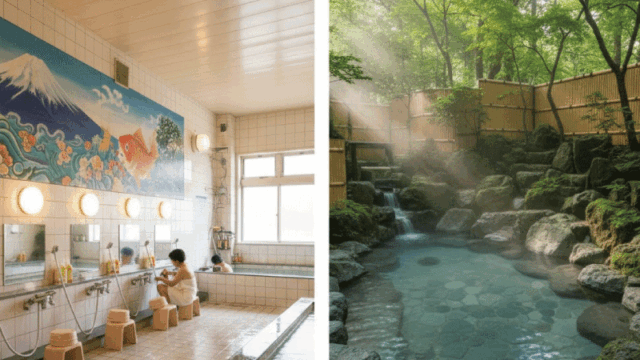
This is the part people feel shy about asking, but it matters a lot. Onsen and sento can look similar when you walk in, but they’re not the same thing culturally or in terms of what you’re paying for. If you understand the difference, you can choose confidently and you’ll also avoid disappointment like “I thought this was natural hot spring water” after you’ve already paid and changed.
What ‘onsen’ means in Japan
In Japan, “onsen” isn’t just a vibe word. There’s a legal definition tied to temperature and/or mineral substances in the water. Facilities that use natural onsen water typically post a hot spring analysis sheet (成分分析表) somewhere in the building, often near the entrance or changing area. That’s one of your best clues you’re in a true natural spring situation, not just a hot bath facility.
If you’re curious about the official definition and how onsen are regulated, Japan’s Ministry of the Environment explains the Hot Spring Act and its purpose in a clear outline. (Source: Ministry of the Environment, Japan “Overview of the Hot Spring Act”)
What ‘sento’ feels like (and why it’s worth it)
Sento are neighborhood public baths. In Kyoto, sento are more than “a place to wash.” They’re community hubs, they preserve older architectural styles, and they can be the most authentic cultural experience you’ll have because you’re doing the exact thing locals do after work. Some have saunas, some have electric baths, some have beautiful tile art. Even if the water isn’t natural onsen, the experience is deeply “Japan,” especially in a city like Kyoto where local customs still feel alive.
How I explain it simply
・Onsen: you’re paying for the water source and “hot spring” feeling
・Sento: you’re paying for the local bath culture and convenience
Which should you choose?
If this is your first time, choose based on comfort. If you’re nervous about nudity or the bathing flow, a bigger facility or private onsen can feel easier. If you want to experience Kyoto like locals do, a sento is perfect, and it often fits your schedule better than traveling far for a mountain onsen. Either way, the etiquette fundamentals are the same: wash thoroughly before entering the tub, don’t put your towel in the water, and keep voices low. If you can do those three, you’re already doing great.
Natural hot spring day trips in Arashiyama
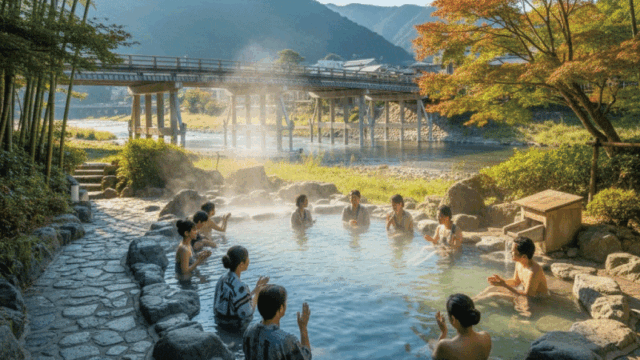
Arashiyama is basically Kyoto’s “easy mode” for pairing sightseeing with a bath. You can do bamboo forest and riverside views, then let your legs recover in warm water before dinner. If your trip is short, Arashiyama is also forgiving: even if you don’t plan perfectly, you can still get a good bath experience without feeling like you spent your day on trains.
How to plan an Arashiyama bath day without stress
I like to split Arashiyama into two blocks: sightseeing first, bathing second. Do the bamboo grove and river walk earlier, then bathe later. If you bathe first, you’ll often sweat again while walking. If you bathe after, the relaxation actually lasts into the evening. Also, Arashiyama gets crowded, so timing matters. Mid-morning and late afternoon tend to be the busiest. If you can, do the famous photo spots early, then soak when crowds are peaking outside.
My simple Arashiyama flow
・Morning: Bamboo grove + Togetsukyo Bridge + snack break
・Early afternoon: quieter temple or riverside wandering
・Late afternoon: bath time, then head back for dinner
Getting there and getting back
From central Kyoto, you’ll typically use Hankyu, Keifuku (Randen), or JR routes depending on where you’re staying. I won’t pretend there’s one “best” line for everyone, because your hotel location decides it. The key is this: check your return route before you soak. After a bath, you’ll feel sleepy, and you don’t want to be standing on a platform wondering which direction your train goes. If you’re using a transit app, set a “return trip” bookmark before you enter the bath facility.
Choosing between quick convenience and deeper relaxation
Arashiyama has options that range from “quick bath between sightseeing” to “private baths at a ryokan-style property.” If you want the straightforward version, look for places that are designed for day visitors. If you want privacy or you have tattoos and want to minimize questions, aim for a property with private onsen rooms or reservable family baths.
| Option | Best for | Why it works |
|---|---|---|
| Fufu no Yu (Arashiyama) | Easy recovery | Fits smoothly into sightseeing routes |
| Arashiyama Kadensho | Private bath comfort | Multiple private baths, very popular with travelers |
| Tenzan no Yu (short transfer) | Water quality focus | Larger facility with a strong local following |
If you want a deeper dive into Arashiyama onsen planning, I wrote a dedicated guide that breaks down timing, access, and what to expect on-site. It’s helpful if you’re trying to plan your day tightly.
The Complete Guide to Arashiyama Onsen(routes, timing, and practical tips)
Final note: prices and operating hours can change due to seasons or maintenance. Please double-check official information before you go. If you have any health concerns (blood pressure, pregnancy, skin conditions), the safest approach is to consult a medical professional and avoid extreme temperatures. Your comfort comes first.
Reopened onsen information in Kurama
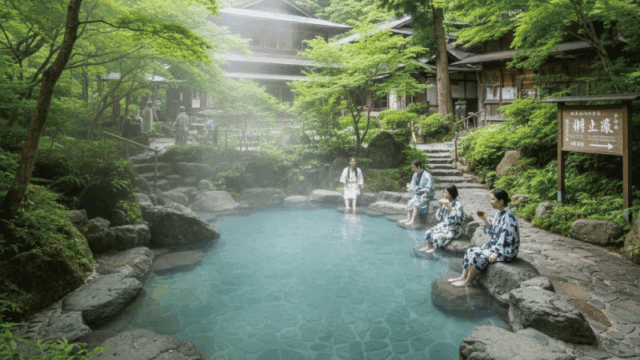
Kurama is the Kyoto experience that feels like a secret, even though it’s not that far from the city. The air changes, the scenery shifts to forest, and you start to understand why people associate hot springs with mountains. If you want a bath that feels like a “journey,” Kurama is the one.
Kurama Onsen basics (so you can plan quickly)
Kurama Onsen (鞍馬温泉) essential info
・Address: 京都市左京区鞍馬本町520
・Phone: 075-741-2131
・Price estimate: outdoor bath 1,400–1,600 JPY / indoor + outdoor set (yukata + towel) 2,500–2,700 JPY
・Highlight: natural sulfur spring, mountain atmosphere
Kurama works best when you treat it as a half-day or full-day mini-trip. Yes, it can be done quickly, but the charm is in slowing down: walk a little, breathe the mountain air, soak, then return to the city feeling like you pressed a reset button.
How to get there without confusion
Most people reach Kurama by heading toward the Eizan Railway side of Kyoto and continuing toward the Kurama area. There are a few ways depending on your starting point, so I’m not going to lock you into one route that might not match your hotel. What matters is this: plan your arrival time and your “last return” time. Mountain-area services can feel less frequent than central Kyoto, and after a bath you’ll move slower. I recommend building a buffer so you don’t have to rush in a towel-mess state.
What the experience feels like (and what to bring)
Kurama is about scenery and water. Sulfur springs have a distinct smell and feel, and some people love it immediately while others need a minute to adjust. If you have sensitive skin, do a short soak first and see how you feel. Bring a small towel if you like, but many facilities offer rentals. Don’t bring valuables into the wet area, and if you have long hair, tie it up to keep the bath clean for everyone.
Tattoo note
Policies can vary by timing and staff, so if you have visible tattoos, it’s smart to contact the facility beforehand. If the tattoo is small, covering it can reduce friction, but it’s not a guarantee. If you want zero uncertainty, choose private onsen options instead.
Also, “reopened” status and operational details can change due to maintenance. Please check the official announcements right before your visit. If you’re building a proposal-grade itinerary for a family or group, I’d even recommend calling the phone number above and confirming the day’s policy for tattoos and entry rules. That’s the most reliable way to avoid surprises.
Tattoo-friendly onsen in Kyoto
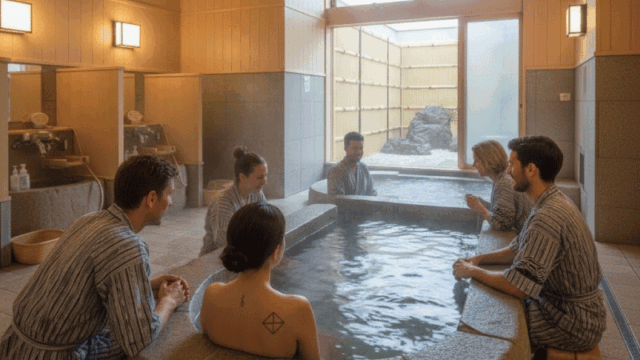
Tattoos are the biggest source of anxiety for travelers, and I get it. The rules can feel unpredictable, especially if you’ve heard stories online. The reality is more nuanced: some places welcome tattoos, some allow small tattoos if covered, and some keep a strict no-tattoo policy. Kyoto isn’t “one rule,” it’s a patchwork of different management styles and community expectations.
How to choose tattoo friendly options the safe way
My strongest recommendation is simple: start with places that have a reputation for being tattoo friendly, especially if your tattoo is visible and not tiny. That reduces uncertainty and helps you relax. If you want to try a place with stricter rules, treat it as “maybe” rather than “must-do,” so your trip doesn’t collapse if the answer is no.
My tattoo strategy for Kyoto
・Plan A: tattoo friendly facilities or sento with clear acceptance
・Plan B: private onsen (kashikiri) so you don’t need to negotiate
・Plan C: cover sticker as backup for small tattoos (facility-dependent)
Two iconic Kyoto picks for tattoo friendly vibes
Kyoto’s bath culture shines in places like Funaoka Onsen, which is famous for its atmosphere and historical feel. It’s the kind of place where you’re not just bathing, you’re experiencing an older layer of Kyoto. Then there’s Sauna no Umeyu, which has a younger, friendly energy and a distinct local personality. Both are the type of places where travelers often feel welcome, even if their Japanese isn’t perfect.
| Place | Address | Phone | Why it’s special |
|---|---|---|---|
| Funaoka Onsen | 82-1 Murasakino Minamifunaokacho, Kita Ward, Kyoto | 075-441-3735 | Historic atmosphere with iconic tile work and classic décor |
| Sauna no Umeyu | 175 Iwatakicho, Shimogyo Ward, Kyoto | 080-2523-0626 | Friendly community vibe and traditional wood-heated baths |
Practical etiquette when you have tattoos
Even when a place is tattoo friendly, it’s good manners to keep things calm and respectful. Keep your towel with you, avoid drawing attention, and follow staff instructions quickly. If you’re asked to cover a tattoo, it’s not personal. It’s usually about maintaining a consistent environment for all guests, including locals who grew up with different expectations around tattoos.
If you want a broader list of tattoo friendly onsen across Japan (and how to interpret policies), I keep a category page updated with region-based planning tips.
Tattoo Friendly Onsen(planning tips by region)
One more safety note: if you use cover stickers, be mindful of skin irritation. If you have allergies, sensitive skin, or any medical concerns, it’s safer to skip adhesives and choose private onsen options. When in doubt, consult a medical professional for advice specific to your situation.
Choosing a private onsen family bath
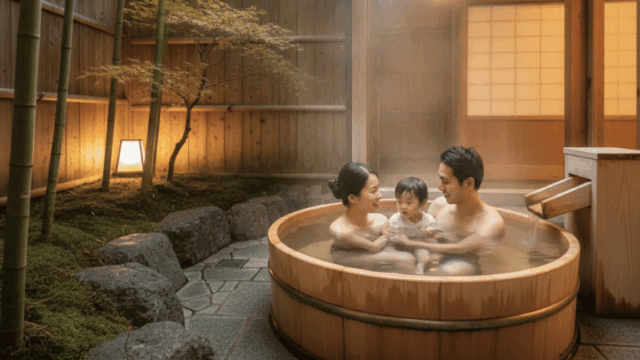
If you’re feeling shy about communal bathing, you’re not alone. A lot of travelers are totally fine with public baths in theory, then freeze up the moment they see the locker room. That’s why private onsen (kashikiri) and family baths are such a great option. You get the relaxing water without the social pressure, and you can focus on enjoying Kyoto instead of overthinking etiquette.
What “private onsen” can mean in Kyoto
Private onsen comes in a few forms. Some ryokan and hotels have reservable private baths you book by time slot. Some have multiple private baths that you can use for free on a first-come basis (you might wait, but the experience is smooth once you understand the system). And the premium option is an in-room bath, where you control everything and don’t need to share any space.
Who should choose private onsen
・First-time onsen visitors who feel nervous
・Couples who want a calm, quiet experience
・Families with kids who need flexibility
・Travelers with larger tattoos who want certainty
How to use private baths smoothly (the small details)
Here’s the thing people don’t realize: private baths are still “onsen culture,” so the washing rule stays. You still wash your body first, then enter the tub. If it’s a reservable bath, show up on time, because facilities may be strict when schedules are tight. If it’s a first-come system, your best move is to try early evening or right after check-in. Late-night slots can be popular, especially with couples.
Arashiyama Kadensho and similar setups
Arashiyama Kadensho is well-known because it offers multiple private baths, and that design works really well for visitors. If all private rooms are occupied, you wait. That’s it. It’s simple and fair. My personal tip is to be flexible: if you see a line, go eat or take a short walk and come back. You don’t have to stand there staring at a door.
For travelers who want a “hidden Kyoto” experience, renting a whole machiya (traditional townhouse) with a private bath can be amazing. It’s not always a true mineral spring, depending on the property, but the privacy and atmosphere are top-tier. If your priority is intimacy and calm rather than mineral composition, it can be the best choice.
Important note
Private does not automatically mean “tattoo always OK,” but it usually reduces issues. Always confirm the property’s rules if tattoos are a major concern, and check official booking details for up-to-date policies.
And as always: prices, availability, and reservation rules change. Please confirm with official sources before booking, and if you have health concerns, consult a professional. Extremely hot baths can stress the body, especially after long walking days.
Practical routes for best onsen in Kyoto without transit stress

Now let’s make your plan “walkable” in real life. Kyoto looks compact, but travel time, transfers, and crowd flow can slow you down. I’ll organize this section around the way most travelers move: Kyoto Station as a hub, then Gion and city districts, then optional local-style detours.
Practical best onsen in Kyoto tips for travelers
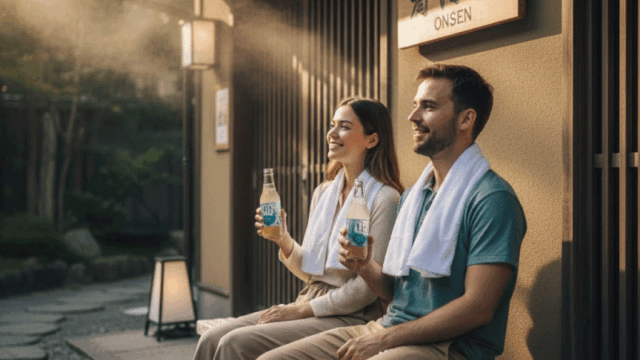
When you’re traveling, the best plan is the one you can actually follow while tired. So here’s my practical approach: build your day around one core sightseeing block, one recovery block, and one flexible block. Your recovery block is your bath time, and it should feel like a reward, not another mission.
My “one bath per day” rule
Some people try to do multiple baths in one day, especially if they love saunas. That can be fun, but it can also backfire, because hot baths dehydrate you and Kyoto walking already drains your energy. If you’re here for a normal vacation, one good bath is usually better than three rushed ones. Drink water, take breaks, and don’t treat the bath like a challenge.
Simple Kyoto bath planning
・Pick a bath near where you’ll already be (Arashiyama day, Kurama day, or city night)
・Confirm last train times before you soak
・Bring a small towel and cash if possible
・Avoid peak crowd time if you want a calm vibe
How to decide day trip vs staying overnight
Day trips are great when you want flexibility and you’re staying in central Kyoto. Overnight onsen stays are best when you want the full rhythm: bath, dinner, bath again, sleep, morning bath. If you’re celebrating something or your schedule is packed with temples, a one-night ryokan stay can be the best “recovery investment” of your trip.
Also, keep your expectations realistic: addresses and phone numbers are helpful, but conditions change. That’s why I always say this clearly: please confirm official information before you go. If you’re unsure about rules or access, ask your hotel to call. It’s normal in Japan and it works.
Hot springs near Kyoto Station

Kyoto Station is the travel engine room: Shinkansen arrivals, JR lines, buses, everything. But for baths, “right next to the station” often means sento or city-style facilities rather than deep mountain onsen. And honestly, that’s not a bad thing. After a long day, a nearby bath you can reach in 15 minutes can feel better than a “famous” onsen that takes an hour each way.
How to use Kyoto Station as a bath hub
If you’re staying near Kyoto Station, I recommend treating baths as an evening routine. You can explore Gion or central areas during the day, then return toward the station and bathe before bed. This keeps your transit simple and reduces decision fatigue. It’s especially helpful if you’re traveling with family members who get tired at different times.
Realistic expectations
・Near the station, you’ll often find sento-style experiences
・For “mountain onsen” vibes, plan Arashiyama or Kurama as a dedicated outing
Why Sauna no Umeyu fits travelers well
Sauna no Umeyu is one of those places where travelers often feel welcomed because the vibe is relaxed and modern-friendly. It’s not about luxury, it’s about a clean, lively bath culture. The wood-heated feel gives it character, and if you’re curious about sauna culture, it’s a fun way to experience it without feeling out of place.
Practical tip: don’t assume you’ll have everything you need. Some places sell towels or offer rentals, but it varies. If you carry a small towel in your day bag, you’ll feel calmer. Also, if you have tattoos, check the current policy before you go. Even friendly places can have guidelines depending on events and crowd flow.
Again, hours and prices can change, so confirm official information. And if you feel unwell after a hot bath (dizziness, nausea), stop immediately, cool down, hydrate, and seek help if needed. Your safety matters more than “finishing the experience.”
Historic bathhouses around Gion
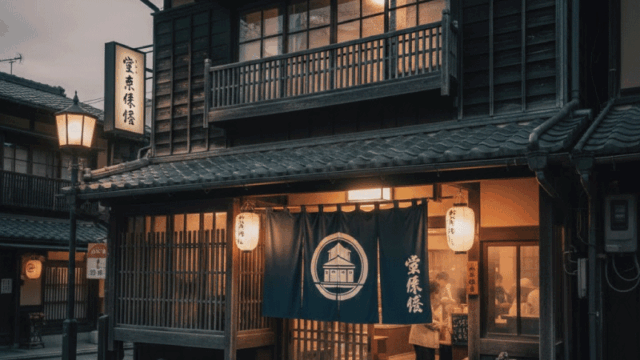
Gion is one of Kyoto’s most atmospheric districts, especially in the evening. But Gion itself isn’t packed with onsen facilities. Instead, the best “bath pairing” here is usually a short ride to a sento with history and character. If your Kyoto dream includes lantern-lit streets and traditional scenery, finishing the night with a classic bath can feel perfectly Kyoto.
What “historic bathhouse” means in Kyoto
Historic bathhouse doesn’t always mean a museum. It can mean old tile work, a traditional bandai (front desk) style, or a building that’s been part of community life for decades. Places like Funaoka Onsen are famous because they blend bathing with cultural detail. Even if you don’t know the backstory, you’ll feel it the moment you walk in: the layout, the atmosphere, the way locals move calmly through the space.
Respectful behavior matters here
Photography is usually not allowed. Keep your phone in your locker. Speak quietly. If you’re unsure what to do, watch how locals move and follow that rhythm.
How to avoid awkward moments
The most awkward moments usually come from not understanding the washing area flow. Here’s the simplest approach: pay at reception, put your shoes away if there’s a shoe locker, change, rinse at the washing area, then soak. If you want to use a sauna, check whether there’s an extra fee or special rules. If the water is hot, don’t force it. A short soak is better than feeling sick.
If you have tattoos, treat Gion-adjacent sento like “confirm-first” territory unless you already know the facility is tattoo friendly. Some places are totally fine, some aren’t. There’s no shame in choosing a different bath if the rules don’t match your situation. The goal is to relax, not to win a policy argument.
Hidden onsen loved by locals
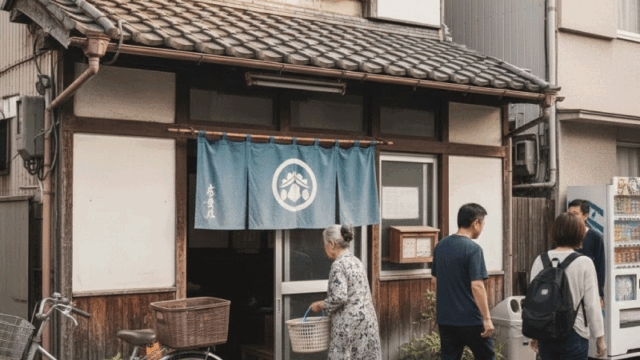
If you’re the type of traveler who wants a “hidden” experience, Kyoto delivers, but you need the right mindset. Hidden doesn’t always mean secret. Sometimes it just means “not on the main tourist route” or “popular with locals for practical reasons.” These places can be less English-friendly, but they’re often the most memorable because you feel like you stepped into everyday Kyoto.
Two styles of hidden gems: big local spa vs ultra-local sento
Kyoto has larger facilities that locals use regularly, and they can be great if you want variety: multiple baths, saunas, relaxation areas, and food options. They’re easy, comfortable, and forgiving for first-timers. On the other end, you have ultra-local sento like Gunjin-yu, where the experience is simple and deeply traditional. If you want nostalgia, go ultra-local. If you want convenience and options, go big local.
How to choose your hidden gem style
・If you want comfort: choose a bigger local facility
・If you want cultural texture: choose a classic neighborhood sento
| Spot | Address | Phone | Why locals go |
|---|---|---|---|
| Tenzan no Yu | 55-4-7 Saganomiyanomotocho, Ukyo Ward, Kyoto | 075-882-4126 | Large-scale facility, perfect for a full recovery day |
| Fushimi Chikara no Yu | 130 Takeda Aikecho, Fushimi Ward, Kyoto | Please confirm on site | Wide variety of baths, strong sauna culture, local events |
| Gunjin-yu | 775 Fukakusa Gokurakucho, Fushimi Ward, Kyoto | Please confirm on site | Classic atmosphere, old-school sento experience |
Practical tips for going “local” as a visitor
Bring cash, be patient, and don’t expect everything to be explained in English. If you’re polite and calm, you’ll be fine. Also, local places may close unexpectedly for maintenance or have irregular hours. That’s why I recommend checking official information or asking your hotel to confirm, especially if the phone number is not easily available. If you arrive and it’s closed, don’t take it personally. Just treat it as a Kyoto detour and pick your backup spot.
And please remember: even if something feels “local,” safety and comfort still matter. If a bath is extremely hot, take it slow. If you have any medical concerns, consult a professional, and prioritize your health over “doing it the Japanese way.”
Onsen etiquette and tattoo cover tips
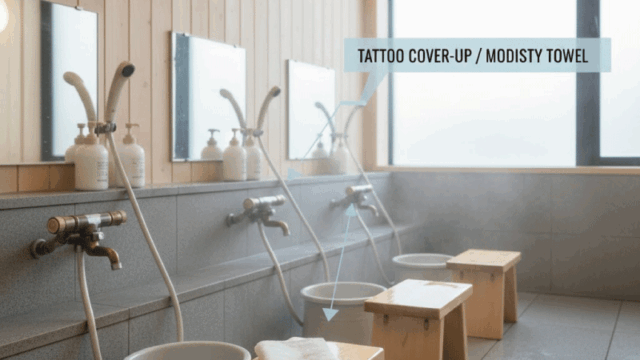
Let’s make sure you feel confident the moment you walk in. Bath etiquette in Japan isn’t complicated, but it’s strict in the sense that everyone expects the basics. The good news is: if you follow the core rules, you’ll blend in smoothly, even if you don’t speak Japanese.
The 6 basics that cover 95% of situations
My “don’t overthink it” etiquette list
1) Wash your body before entering the tub
2) Keep your towel out of the bath water
3) Tie up long hair
4) Don’t spread your stuff across the washing area
5) Keep voices low, no splashing or jumping
6) Rinse lightly before returning to the changing room
Tattoo cover stickers: how to use them responsibly
Tattoo cover stickers can help in “small tattoo may be ok if covered” situations, but they’re not a universal pass. Some facilities still won’t allow tattoos even if covered. So think of stickers as a backup tool, not a guarantee.
How to find cover products in Kyoto
・Search terms: Foundation Tape / Tattoo Cover Sticker
・Common stores: Don Quijote, Daiso, Sugi Drug (stock varies by shop)
Apply stickers to clean, dry skin, and don’t force it if you feel irritation. Adhesives can cause redness, especially after heat and moisture. If you have sensitive skin or allergies, the safer option is to choose tattoo friendly facilities or private onsen. If you have any health concerns, the best approach is to consult a medical professional for advice tailored to you.
A quick “what to bring” checklist
I recommend carrying a small towel, a change of underwear, and a water bottle on bath days. Many places sell towels and toiletries, but having your own keeps things easy. Also, avoid heavy drinking before bathing. It’s tempting on vacation, but hot baths can strain the body, and alcohol makes that risk worse.
Finally, I’ll say this clearly: please confirm official rules before you go. Tattoo policies and operating hours can change. A quick check saves you frustration and helps you enjoy Kyoto with less stress.
Day Trip Wrap: Atami-onsen
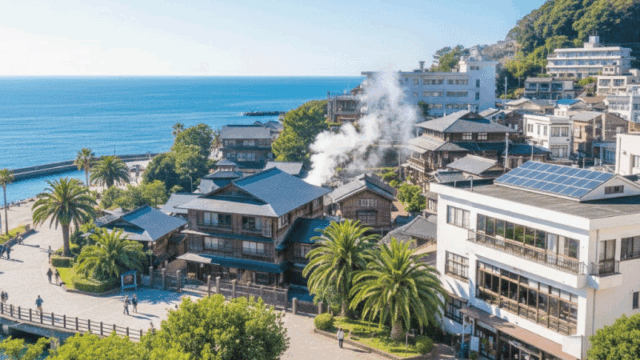
This is a little bonus route for you. If your Japan trip includes Tokyo, or you’re moving between Tokyo and Kyoto on the Shinkansen, Atami-onsen is one of the easiest “hot spring town” add-ons in the country. It’s not Kyoto, of course, but it’s a smart move if you want to squeeze in a classic onsen town feeling without adding a complicated detour.
Why Atami works so well for travelers
Atami is practical: it’s close enough to Tokyo that it can be a day trip, but it has the mood of a coastal onsen town, with hotels, bath facilities, and a relaxed pace. If you’re using the Shinkansen and you want a simple stop that feels rewarding, Atami is a strong candidate.
When Atami makes sense
・You want a “hot spring town” vibe but your schedule is tight
・You’re traveling Tokyo ⇄ Kyoto and want a break between big cities
・You want a second bath day that’s easy to plan
How to pair Atami with Kyoto planning
If Kyoto is your culture and walking-heavy segment, Atami can be your recovery segment. Think of it like this: Kyoto fills your brain, onsen refills your body. Some travelers do Atami before Kyoto to arrive refreshed. Others do it after Kyoto as a final “reward” before flying out. Either can work. Just make sure you check train times and booking rules, and confirm official information for any facility you plan to visit.
Also, the same safety and health advice applies: hot baths can be intense, and everyone’s body reacts differently. If you have medical concerns, consult a professional and keep your bathing time moderate.
How to choose the best onsen in Kyoto
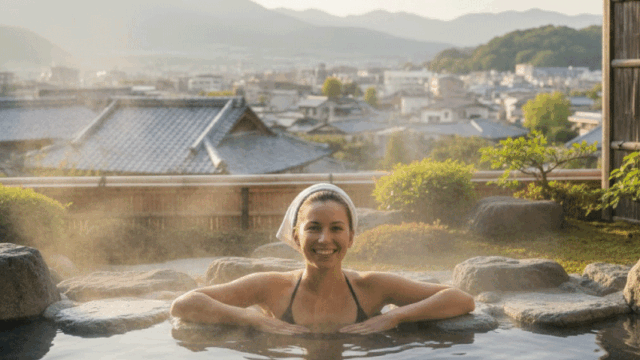
Let’s tie it all together. The best onsen in Kyoto isn’t a single place that wins for everyone. It’s the spot that matches your trip style. If you want convenience and a smooth day, Arashiyama is the best match. If you want the mountain escape feeling, Kurama is the unforgettable option. If you want local culture and flexibility, sento experiences around the city can be perfect, especially when you base near Kyoto Station.
My final “choose your best” guide
If you want the easiest plan: natural hot spring day trip in Arashiyama
If you want nature and a reset: reopened onsen information in Kurama
If tattoos are your main concern: tattoo-friendly onsen in Kyoto + choosing a private onsen family bath
If you want to avoid transit at night: hot springs near Kyoto Station
And here’s the most important practical note: details change. Prices, hours, and tattoo policies can shift due to maintenance, seasons, or management decisions. So please, always do a quick official check before you go. If something feels unclear, ask your hotel staff to call. That’s normal in Japan, and it’s often the fastest way to get a confident answer.
If you take one idea from this guide, let it be this: plan your bath like part of your route, not an afterthought. When the bath fits your day naturally, Kyoto feels calmer, your body feels better, and your trip becomes more enjoyable.