Kurama Hot Spring Tattoo Decision Guide

Hi, this is Yusuke from Discover Japan Hidden.
kuramaのhotspring is one of those spots that looks unreal in photos, but I get it, your brain immediately goes to: “Wait… can I actually go with tattoos?” and “Even if it says Kurama Onsen Kyoto, will it feel awkward in real life?” That worry is super normal.
When you search, you’ll see all kinds of scattered info like kuramaのhotspringのaccess, daytrip, price, openinghours, tattoo, reviews, shuttlebus, hike, withkids, accommodation, overnight, bestonseninKyoto… and the problem is: it doesn’t answer the one thing you really want, which is “Is this a stress-free choice for me?”
So in this guide, I’m not going to dump rules at you. I’ll translate the hidden parts into decisions you can actually make. Think “Will this be awkward or not?” and “What should I do to avoid that?” That’s the whole vibe.
- How to judge tattoo comfort at kuramaのhotspring
- How to do a daytrip without getting lost or stressed
- How fees and towels work so you don’t get surprised
- A clear final verdict: go, avoid, or choose an alternative
Avoid Awkward Moments at Kurama Hot Spring
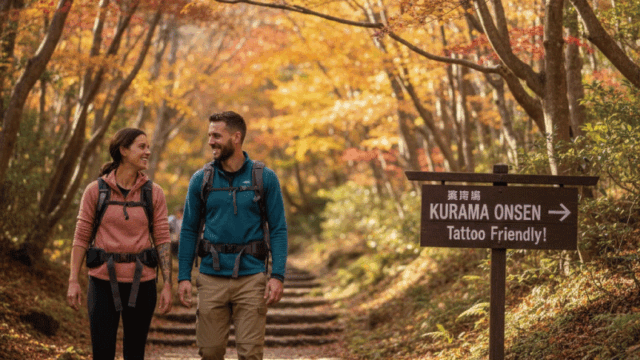
This section is where we reduce awkwardness before you even arrive. Not “Can you enter?” but “Can you enter without feeling weird?” We’ll cover tattoo realities, onsen etiquette, and daytrip logistics in the exact order that prevents bad surprises.
Before You Worry About Kurama Hot Spring
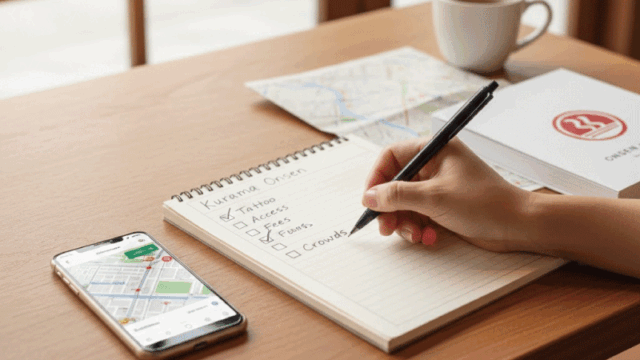
Let’s start with the uncomfortable truth: even if a page online says “tattoo OK,” that doesn’t automatically mean you’ll feel relaxed. In Japan, especially at onsen, the “written rule” and the “vibe on the ground” can be two different things. And if you’re traveling for the first or second time, that gap can feel intimidating, right?
So I want you to switch your question. Don’t ask “Can I enter?” Ask “Can I enter without awkward moments?” That single change makes planning way easier, because you stop chasing vague “maybe OK” wording and start building a scenario where you’ll feel confident.
My core rule for tattooed travelers
The real goal is stress-free bathing, not winning an argument at the entrance. If you can reduce uncertainty before you show up, you’ll enjoy the onsen more and you’ll avoid those “I wish I didn’t come” moments.
In practice, tattoo policies tend to fall into four buckets. The problem is that travel blogs often mix these up or use mushy phrases like “sometimes OK,” which is basically useless when you’re standing at the door. Here’s how I want you to categorize what you see and what you experience.
| Type | What it really means | Where awkwardness happens |
|---|---|---|
| Fully OK | No limitations in shared baths | Only gets weird if you break etiquette |
| Small tattoos only | They expect it to be discreet | “How small is small?” is unclear |
| Cover sticker required | Visible tattoos are not welcome | Sticker size/availability is the trap |
| Private bath only | Shared bathing is a no | Reservation timing can ruin your plan |
Now, how does this help you specifically with kuramaのhotspring? It means you’ll stop relying on one line of “OK” and instead check for signals that affect your comfort: the crowd, signage, staff vibe, and how many foreign visitors are around. Those are the factors that decide whether your experience is relaxed or tense.
Quick mindset check
If your goal is “I want to relax,” then you’re allowed to pick the easiest option. You don’t owe anyone a “brave” onsen experience. Choose the plan that keeps you calm.
One more important note: anything involving fees, opening hours, shuttle timing, or policy wording can change seasonally. Treat numbers and schedules as general guidance and always confirm the latest info on the official site before you go. That’s not me dodging responsibility, it’s just how travel works.
Tattoo Policy at Kurama Hot Spring
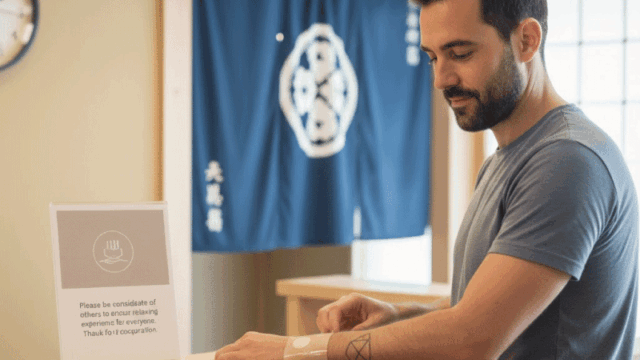
Okay, the big one. “Is kuramaのhotspring tattoo friendly?” Here’s my honest take: many tattooed travelers feel that it’s more forgiving than a strict local bath, but that does not mean it’s a universal free-for-all. The difference matters, because your goal isn’t just entry. Your goal is to soak without scanning faces every 10 seconds.
So instead of giving you a lazy “yes,” I’ll give you a decision framework. Think of it like this: there’s the policy on paper, and there’s the comfort level in the room. Your experience is decided by the second one.
How I judge tattoo comfort on-site
Use this three-signal check
- Signage signal: Are there clear notices about tattoos at the entrance, ticket counter, or changing room?
- Crowd signal: Is it packed with local regulars, or mixed with hikers and tourists?
- Reaction signal: If your tattoo is visible, do people obviously stare or do they just mind their business?
Why these signals? Because awkwardness usually comes from mismatch. If you’re the only tattooed person in a very local-feeling space, you might still be “allowed” but feel tense. If you’re in a more tourist-mixed environment, the same tattoo can feel like a non-issue. That’s why I keep saying: “OK” isn’t the finish line. Comfort is.
Be strict about not mixing these four categories
When people say “tattoo OK,” they might actually mean “small tattoos are fine,” or “cover it,” or “private bath only.” Those are not the same. If your tattoo is medium or large, you need a plan that doesn’t depend on luck.
Cases I do NOT recommend (being real)
If you have a large tattoo (forearm to sleeve, chest, back) and you already know you get anxious about attention, shared bathing can become exhausting. In that case, I’d rather you choose a place with a clear private-bath option so you can actually enjoy the experience.
What to do if you’re in the “small tattoo” zone
If your tattoo is small and you’re comfortable moving calmly, kuramaのhotspring is often a good candidate. Still, I’d bring a cover option anyway, because it gives you control. A cover sticker or a simple way to keep it less visible means you’re not depending on the mood of the room. That’s the whole stress-free strategy.
What to do if you’re in the “large tattoo” zone
If you’re heavily tattooed, you basically have two smart choices: (1) choose a facility that clearly supports private bathing, or (2) plan a time that’s quieter and be prepared to cover. If your travel goal is relaxation, private bathing usually wins, because it removes social tension completely.
If you want more Kyoto-focused tattoo guidance that prioritizes private options, this link can help you compare choices without guessing.
Kyoto tattoo-friendly onsen and private bath options
Final safety note: policies can change, and even within one facility, staff may enforce rules differently on busy days. Always confirm the latest official notice and make your final call based on what you see on the day.
Onsen Etiquette at Kurama Hot Spring
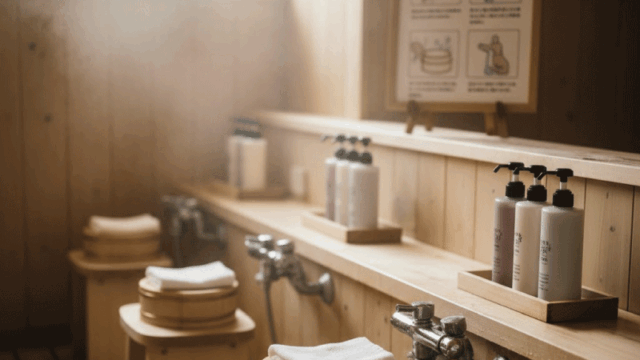
Here’s the thing: tattoos get all the attention online, but in real life, etiquette is what decides whether people feel comfortable around you. And that’s good news, because etiquette is something you can control. If you follow the basics, you reduce awkwardness for everyone, including you.
Most “bad experiences” I hear from travelers aren’t about being denied entry. They’re about feeling watched, feeling unsure, or accidentally doing something that’s considered rude. So let’s make this ridiculously simple.
The minimum etiquette that prevents 90% of problems
- Wash your body before entering the bath
- Do not put towels in the bath water
- Tie up long hair so it doesn’t touch the water
- Keep your voice low and your movements calm
Why the towel rule matters so much
In many countries, towels in the water are normal. In Japan, it reads as “dirty” even if your towel is clean. So if you want to avoid side-eye, keep the towel out of the bath. You can place it on your head or on the side, depending on the setup.
Phones and photos are a hard no
This is non-negotiable. Even if you think “no one will see,” it’s a privacy issue. If you’re worried about what the place looks like, check official photos or reviews beforehand, but in the bathing area, your phone stays away.
Short soak, more breaks (your body will thank you)
Hot water can hit you harder than you expect, especially after hiking or walking all day. Do short soaks, step out, breathe, hydrate, and go back in. If you have any health concerns, don’t push it. Your safest move is to consult a professional if you’re unsure about hot bathing.
For a clear, official overview of bathing etiquette that works across Japan, I recommend checking the national tourism guide. It’s simple and consistent.
If you don’t speak Japanese
You can still do onsen smoothly. Watch what others do for one minute, match the pace, and you’ll be fine. Onsen is a “follow the room” culture more than a “talk to staff” culture.
If you also want a broader “avoid awkward cultural mistakes” checklist, this guide can help you feel more confident beyond the bath.
Common Japan travel mistakes and how to avoid them
Day Trip Use at Kurama Hot Spring
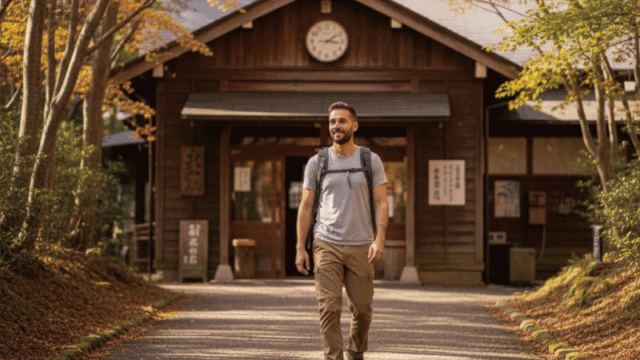
Yes, kuramaのhotspring works well as a day trip, and that’s why it shows up in searches like kuramaのhotspring daytrip and Kurama Onsen day trip. But “possible” and “easy” are different. The key to an easy day trip is removing decision points that cause stress: where to go after you arrive, what to do with your stuff, and how long the whole thing takes.
A day trip flow that keeps you calm
Think of it like a simple chain: arrive, check in, change, wash, soak, cool down, leave. The stress happens when you hesitate in the middle, especially if it’s busy. So I want you to know the flow before you walk in.
Day trip flow (mental rehearsal)
- At reception: choose your plan and pay
- In the changing room: store valuables, go calm and quiet
- In the wash area: wash fully before soaking
- In the bath: short soak, break, soak again
- After: hydrate, cool down, then head out
What to do if you arrive and it feels crowded
If it’s packed and you’re tattooed, your stress level can spike even if nobody cares. In that situation, you have options. You can wait a little, you can do a shorter soak, or you can prioritize the areas that feel less exposed. The important part is: don’t force yourself into discomfort just because you “made it there.” The goal is a good memory, not a box tick.
Schedule risk to watch
Transport timing in mountain areas can be less frequent than central Kyoto. Don’t plan your last train/bus too tight, especially in peak seasons. Always confirm the latest timetable on the day.
Pairing with hiking: good idea, but pace yourself
You’ll see searches like kuramaのhotspring hike and “Kurama-Kibune.” This combo can be amazing, but only if you respect your energy level. If you’re exhausted, you’re more likely to feel lightheaded in hot water. So hike, rest, hydrate, then soak. That order matters.
And yes, opening hours can shift with seasons or maintenance. Treat any schedule as a guideline and always confirm the latest official information before you go.
Fees and Towels at Kurama Hot Spring
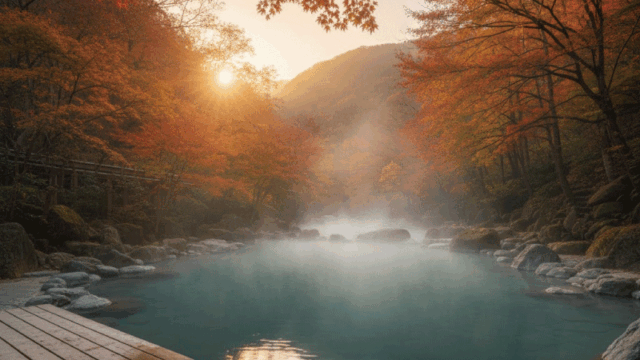
Money surprises are the easiest way to ruin a relaxing plan, so let’s make this clear. Travelers usually search kuramaのhotspring price / admission fee and then get stuck because they see multiple options and don’t know what’s “normal.” The simplest way to think about it is: a lighter option (often outdoor bath focused) and a fuller option (often includes more facilities and sometimes towel/robe perks).
My practical approach: pay for fewer decisions
If you hate uncertainty, choose the plan that includes the stuff you’d otherwise have to think about: towel rentals, changing comfort, and how long you can stay. It’s not always the cheapest, but it’s often the most stress-free, which is the whole point of this blog.
What you want to confirm before you go
- Whether towels are included in your chosen plan
- Rental prices if towels are not included
- Weekend/holiday surcharges (common in Japan)
- Any seasonal campaign or special pricing
Towel strategy that works for most travelers
If you’re doing a day trip, a small towel is usually enough for the bathing area (as long as you keep it out of the bath). A larger towel is for drying after. If you don’t want to carry anything, check whether the plan includes towel rental. If not, you can still rent, but don’t assume it’s always bundled. That’s the classic traveler trap.
What I personally do
I plan like this: “If I can’t confirm towels clearly, I either bring my own small towel or choose the plan that includes them.” That way I never get stuck at the counter doing mental math.
Important
Fees and inclusions can change. Any numbers you see online should be treated as a general guide. Always check the official site for the latest prices and conditions before you go.
Once money and towels are sorted, the whole experience becomes smoother. You walk in like you belong there, and that alone reduces awkwardness.
Best Times to Avoid Crowds at Kurama Hot Spring
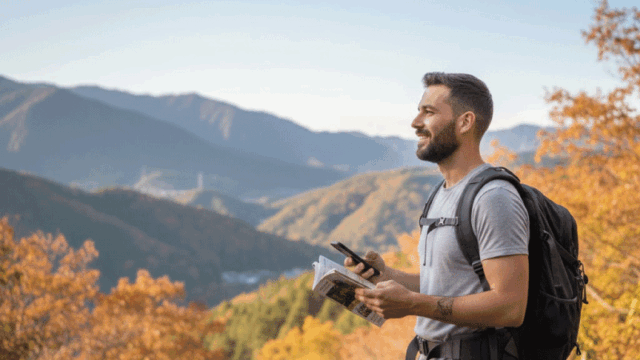
If you want the single best “tattoo confidence hack,” it’s this: go when it’s quieter. Crowds amplify self-consciousness. Even if nobody cares, you’ll feel like everyone cares. That’s just human. And at an onsen, crowded spaces also mean less room to slow down and follow etiquette calmly.
What affects crowds at kuramaのhotspring
There are a few patterns that show up again and again in places like this:
- Weekends and holidays are typically busier
- Autumn foliage season draws more visitors
- Hiking return times can create a sudden wave
- Midday tends to be peak for day-trippers
My crowd-avoidance strategy
Aim for a time that reduces social pressure, not just “a time that sounds convenient.” If you’re tattooed and nervous, your comfort improves dramatically when the room is calmer.
Two “good enough” time windows
I don’t want to promise a magical empty hour, because that’s not honest. But generally, two windows often feel easier: arriving earlier in the day (before the main wave) or going later when the peak thins out. If you’re pairing with sightseeing, you can also reverse your day: onsen first, then eat, then explore. That flips the crowd pattern sometimes.
Don’t build a tight exit plan
When it’s crowded, everything takes longer: changing, waiting, moving calmly. Leave buffer time so you’re not rushing. Rushing is when etiquette mistakes happen.
What to do if it’s crowded anyway
If you arrive and it’s busier than expected, you still have control. Do shorter soaks, choose a calmer corner, and focus on your routine. Also, remember: most people are thinking about their own relaxation, not judging you. The more calm you look, the less attention you’ll feel.
If your anxiety is mainly about being watched, then again, private bathing becomes the most reliable option. It’s not “overkill,” it’s just choosing comfort.
Final Decision: Is Kurama Hot Spring Right for You?
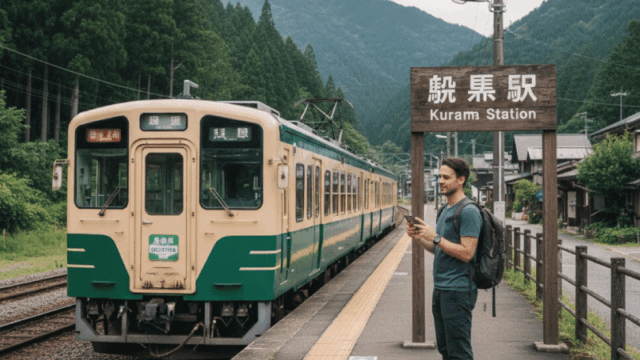
This is the decision section. We’ll resolve the big remaining questions: how to get there without confusion, whether kids are realistic, whether staying overnight is worth it, and how kuramaのhotspring compares to other onsen options. By the end, you’ll have a clear “go / avoid / choose an alternative” answer.
How to Get to Kurama Hot Spring
Access anxiety is real. You see kuramaのhotspring access or Kurama Onsen how to get, and suddenly you’re juggling train lines, bus numbers, and the fear of being stranded. Here’s how I simplify it: you want the route with the fewest “decision points,” especially if you’re tired or traveling in a busy season.
Train route: the comfort-first choice for many travelers
Many people go via the train route toward Kurama, then use the last-mile support (like a shuttle) to reach the onsen area. The big benefit is psychological: you’re following a clear system. Stations have signage, people move in predictable ways, and it’s harder to get completely lost compared to some bus-only routes.
Bus route: fewer transfers, but timing matters
Buses can be convenient because you may have fewer transfers, but the frequency can be lower depending on the route and season. The stress happens when you miss one and realize the next one isn’t soon. So if you choose bus, the key is simple: confirm the timetable the same day, and don’t plan your schedule too tight.
My “no confusion” plan
- Decide your primary route (train or bus) before the day starts
- Screenshot or save your timetable reference
- Build buffer time so you’re never rushing at the end
Weather and seasonal factors
Mountain areas can be affected by weather, maintenance, or event congestion. Always treat transport info as changeable and confirm the latest official updates before you go.
Taxi as a stress tool (not a luxury)
If your budget allows it, using a short taxi ride for the last part can be a legitimate stress-reduction tool, especially if you’re worried about missing shuttle timing or walking uphill with luggage. It’s not “wasting money.” It’s buying calm.
Visiting Kurama Hot Spring With Kids
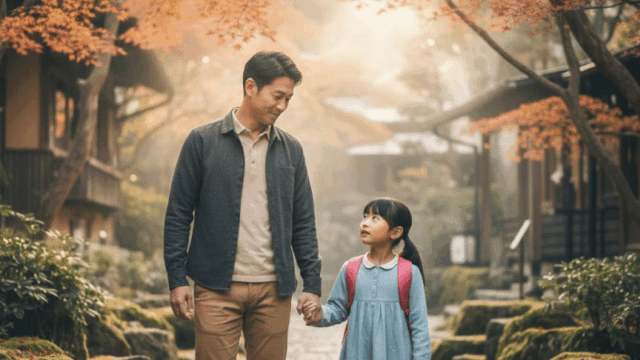
Going with kids can work, but only if you plan around the realities of onsen culture. The main issue isn’t “Are kids allowed?” It’s “Can we do this without disturbing others and without exhausting ourselves?” If you’ve traveled with kids, you already know: a small mismatch in expectations can turn into a meltdown. So let’s reduce those mismatches.
What makes onsen stressful with kids
- Kids get excited and voices get louder
- Changing rooms can feel cramped when busy
- Hot water can feel too intense for long periods
- Parents feel pressured by “silent room” expectations
How to make it work
- Go at quieter times so you have space to move calmly
- Keep the soak short and take more breaks
- Use rest areas to reset the mood before going home
What to confirm before you commit
This part is important: family-related facilities vary a lot. Things like diaper policies, baby seating, and changing options are not universal. So for anything kid-specific, confirm with the official information before you go. It’s not about being paranoid, it’s about avoiding a day-ruining surprise.
Honest advice
If your kid is in a phase where quiet spaces are impossible, consider a private bath option instead. It protects your peace and everyone else’s, and you’ll actually enjoy it.
Kids and tattoos in the same trip
If you’re tattooed and also traveling with kids, the “stress-free” bar should be higher, not lower. You’re managing two uncertainty sources at once: social vibe and child mood. In that case, quieter timing or private options become even more valuable.
Is Staying Overnight at Kurama Hot Spring Worth It?
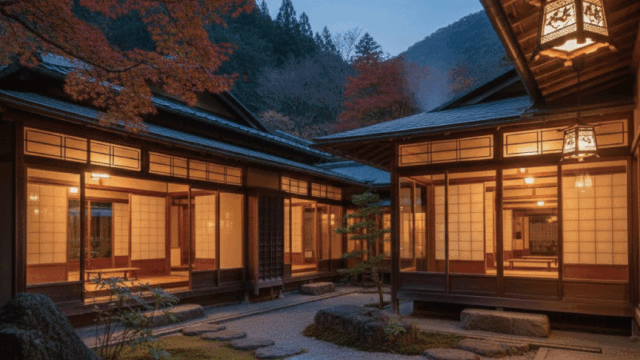
Should you stay overnight or just do a day trip? This decision is less about luxury and more about control. Overnight stays often give you more control over timing, which directly affects crowds and comfort. If you’re tattooed and nervous, control is everything.
When staying overnight makes sense
This onsen is for you if…
- You want calmer bathing times and fewer crowds
- You want to reduce “last train” anxiety
- You’re treating the onsen experience as a main event
When a day trip is the smarter move
This onsen is NOT for you if…
- You want to maximize Kyoto city sightseeing hours
- You’re on a tight budget and day trip feels enough
- Quiet mountain nights make you feel isolated
What overnight stays change psychologically
The hidden benefit of staying overnight is that you stop “performing” your schedule. You don’t have to rush, you don’t have to calculate transport pressure, and you can choose a calmer time to bathe. For tattooed travelers, that often means less self-consciousness. It’s not that everyone suddenly changes. It’s that you feel more in control, which reduces awkwardness.
Room types, meal plans, and conditions can change by season. Always confirm the latest official details before booking. If you have health or dietary needs, confirm those directly and, when needed, consult a professional for your final decision.
Kurama Hot Spring Compared With Other Onsen
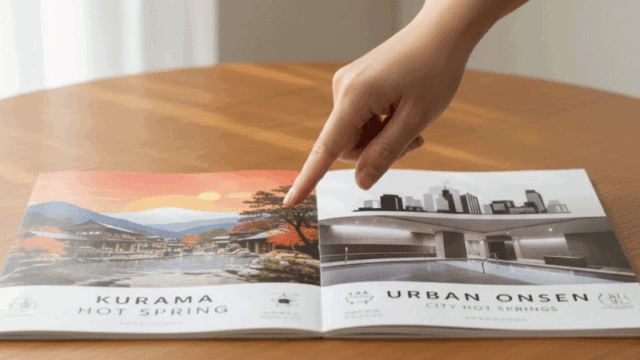
Most comparisons online are destination-based: “Best onsen in Kyoto.” I prefer worry-based comparison: “Which choice minimizes awkward moments for you?” Because for tattooed travelers, that’s the real KPI. Not prestige. Not how many baths. Comfort.
Compare by stress, not by hype
Here’s a practical way to compare kuramaのhotspring with other options. This is not a ranking, it’s a decision tool.
| Comparison axis | kuramaのhotspring | City sento / spa | Private-bath focused onsen |
|---|---|---|---|
| Nature atmosphere | High | Low to medium | Depends |
| Tattoo awkwardness risk | Often lower for small tattoos | Varies widely | Very low |
| English not required | Usually manageable | Depends | Reservation may require more planning |
| Schedule simplicity | Half-day to full day | Short and flexible | Often leans toward overnight |
If your top priority is “I don’t want awkward moments,” private bathing is the most reliable solution. If your top priority is “I want a mountain onsen vibe near Kyoto,” kuramaのhotspring often wins. You just need to match the choice to your comfort threshold.
For broader Kyoto comparisons that keep tattoos and private baths in mind, this guide helps you choose without guessing.
How to choose the right onsen in Kyoto with tattoos
Day Trip Wrap: Atami-onsen

Quick detour, because it matters. If you’re thinking: “I want an onsen experience, but I’m nervous about being tattooed and doing this for the first time,” it can be smart to build your first success somewhere easier. Not because Kyoto is bad, but because your first onsen sets your confidence level for the rest of your trip.
Atami-onsen is one of those places that can feel more straightforward for a first timer. The town is set up around onsen culture, transport is often simpler for travelers coming from Tokyo, and the “onsen is normal here” atmosphere can make you feel less like you’re breaking into a private local space. That can reduce awkwardness immediately.
Why I suggest Atami-onsen as a “practice win”
Confidence strategy
- First onsen success makes every later onsen easier
- You learn etiquette once, then you stop overthinking
- Your body learns how hot water affects you
If you want a focused plan for Atami-onsen, this guide breaks it down in the same worry-based way.
Atami-onsen day trip and overnight decision guide
My honest take
Onsen is a skill. Once you’ve done it once without awkward moments, you stop fearing the unknown. That’s why a “practice win” can be worth it.
Final Verdict on Kurama Hot Spring
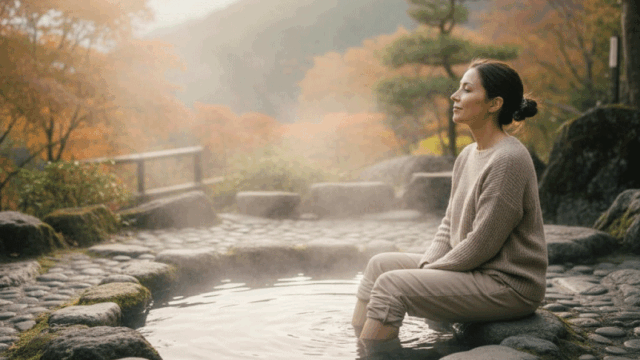
Alright, here’s the bottom line. kuramaのhotspring can be an amazing choice if what you want is a mountain atmosphere near Kyoto and you’re okay planning a little to reduce stress. Many travelers with tattoos, especially small to medium ones, find it workable. But your decision should not be based on “Can I enter?” It should be based on “Can I enjoy this without awkward moments?”
Bottom line: who should go
This onsen is for you if…
- You have a small-to-medium tattoo and you can cover if needed
- You’re willing to go at a quieter time to reduce attention
- You want a nature-heavy onsen experience near Kyoto
- You can follow basic onsen etiquette calmly
Bottom line: who should avoid (no shame)
This onsen is NOT for you if…
- You have large tattoos and you want full visibility in shared baths
- You know you get anxious when people look at you
- You hate crowds and need guaranteed calm
- You want zero planning and maximum certainty
Final decision rule
If you want the most stress-free route, prioritize clarity: clear tattoo policy, private bath availability, and a plan that avoids peak crowds. If you want the kurama mountain vibe and you can manage timing and etiquette, kuramaのhotspring can absolutely be a great memory.
Last reminder: fees, opening hours, and policy notices can change. Please confirm the latest information on the official site before you go. And if you have any health concerns related to hot bathing, your safest move is to consult a qualified professional for your final decision.