How to Judge Onsens in Japan If You Have Tattoos
Hi, this is Yusuke from Discover Japan Hidden.
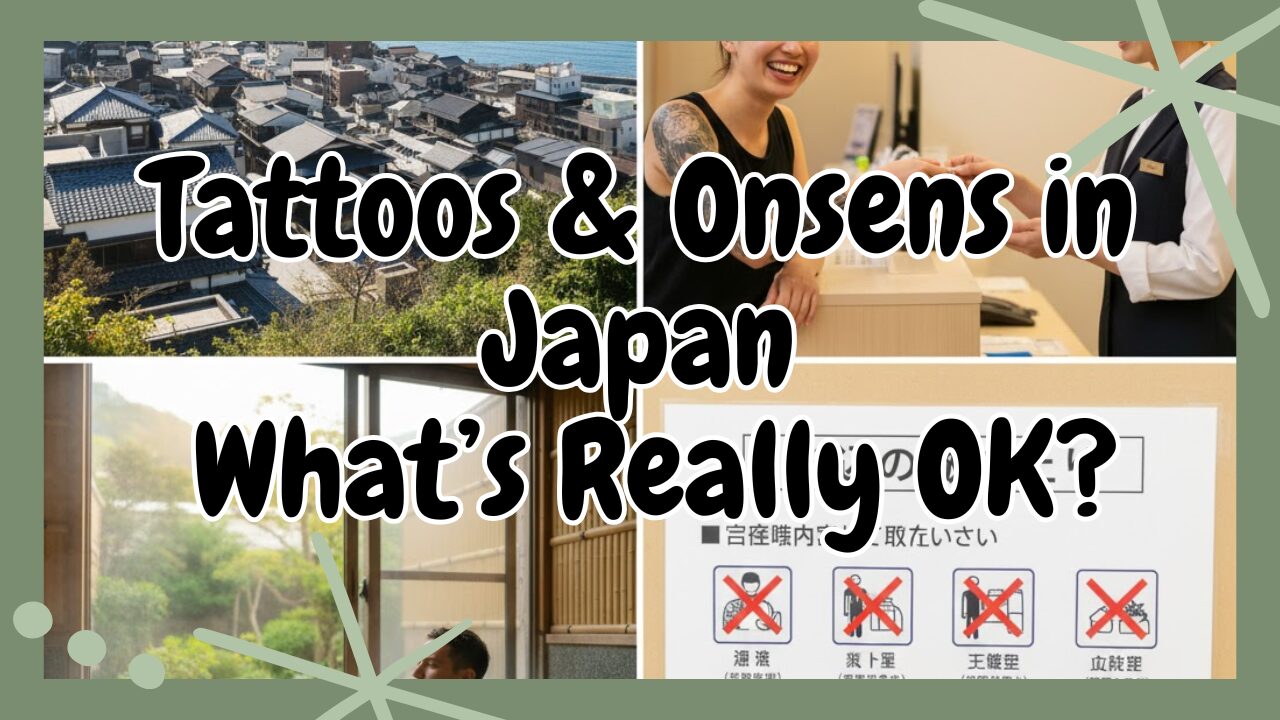
If you searched can you have tattoos in japan, you’re probably not just asking “Is it allowed?” You’re asking, “Will I get stopped at the entrance, or worse, feel awkward inside?” That worry is real. Japan can be welcoming, but it also has a lot of silent rules, and tattoos are one of the biggest ones.
In this guide, I’ll translate the confusing stuff you’ll see online, like are tattoos allowed in Japan, are tattoos illegal in Japan, tattoos in Japan culture, tattoos in Japan yakuza, and especially tattoos in Japan onsen. I’ll also cover tattoo friendly onsen Japan, Japan hot springs tattoo policy, and covering tattoos in Japan, so you can decide what to do without guessing. If you’re also thinking ahead about living in Japan with tattoos, jobs in Japan with tattoos, tattoo etiquette Japan, Japanese tattoo history, or can foreigners have tattoos in Japan, you’ll find the practical “how to avoid awkward moments” angle here.
- Whether you can enter an onsen without awkward moments
- How to read tattoo policies that look “OK” but aren’t stress-free
- Which option fits you: fully OK, small-only, cover required, or private bath only
- A simple yes/no flow to choose an onsen style that won’t backfire
- Unsure About Tattoos in Japan? Let’s Clear It Up
- Can You Have Tattoos in Japan? The Short Answer
- The Common Misunderstanding: Are Tattoos Illegal in Japan?
- Cultural Things to Be Careful About With Tattoos in Japan
- How Yakuza Associations Still Affect Tattoos in Japan
- can foreigners have tattoos in Japan
- Are Tattoos Allowed in Japan? How to Judge If an Onsen Is Right for You
- How to Decide on Onsens in Japan If You Have Tattoos
Unsure About Tattoos in Japan? Let’s Clear It Up
- Can You Have Tattoos in Japan? The Short Answer
- The Common Misunderstanding: Are Tattoos Illegal in Japan?
- Cultural Things to Be Careful About With Tattoos in Japan
- How Yakuza Associations Still Affect Tattoos in Japan
- can foreigners have tattoos in Japan
- Are Tattoos Allowed in Japan? How to Judge If an Onsen Is Right for You
My baseline answer is simple: tattoos are not illegal in Japan, but many places still restrict them. And here’s the key: even if something looks “tattoo OK,” it may not feel comfortable. So we won’t chase a perfect rule list. We’ll chase a stress-free experience.
Can You Have Tattoos in Japan? The Short Answer

Yes, you can have tattoos in Japan. You can ride trains, eat out, walk around, go sightseeing, and generally live your life normally. The friction point is not daily life. The friction point is shared facilities that care about the vibe, especially public baths and some gyms or pools.
Quick reality check: In Japan, “allowed” and “comfortable” are not the same. You can be technically allowed and still feel watched, questioned, or quietly avoided.
So the real question becomes: where do you want to go, and how much “social pressure” can you tolerate? If your goal is relaxation, the best plan is to choose an option that reduces negotiation and surprises.
The Common Misunderstanding: Are Tattoos Illegal in Japan?

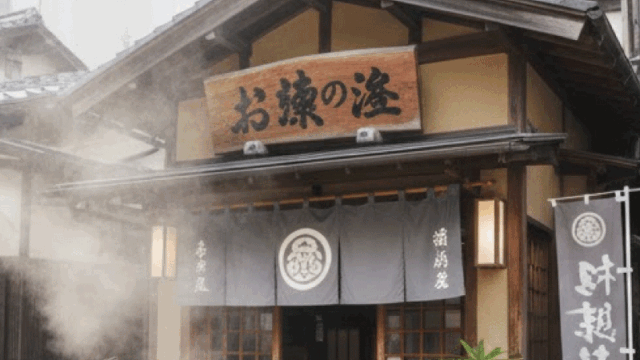
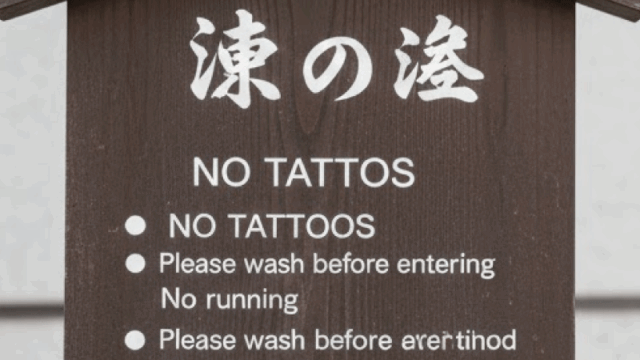
This is a common misunderstanding. Having a tattoo is not a crime, and you won’t get in trouble for simply having one. What people often confuse is the difference between law and house rules. Onsens, sento (public bathhouses), gyms, pools, and some beaches can set their own entry rules.
So if a facility says “No tattoos,” it’s not usually “because the police.” It’s because they want to avoid discomfort for other guests, or they’re trying to keep a traditional atmosphere.
Final rules can change without notice. Always check the facility’s official information before you go. If you have health concerns (fresh ink, skin irritation, infections), please consult a medical professional for the safest choice.
Cultural Things to Be Careful About With Tattoos in Japan
Let’s talk culture, but in a way that helps you decide what to do tomorrow.
In many countries, tattoos are normal. In Japan, tattoos still carry mixed signals. Younger people in big cities are generally more used to them, but in older generations, tattoos can still read as “intimidating,” even if your design is peaceful and artistic.
That doesn’t mean you should hide forever. It means you should understand where the social temperature is low (tourist-heavy areas, modern facilities) and where it’s high (local, traditional, quiet places). If your onsen experience matters to you, pick the lowest-stress environment first.
How Yakuza Associations Still Affect Tattoos in Japan
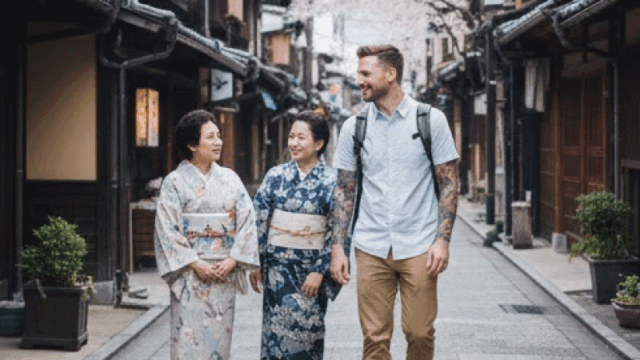
This is the part nobody loves talking about, but it explains a lot. Historically, large tattoos were strongly associated with organized crime in Japan. Even today, some people see a big tattoo and instinctively feel uneasy, even if they don’t say it out loud.
That’s why the strictest places often don’t care about your personality or your passport. They care about keeping the shared space calm for everyone, especially families and older guests.
Local nuance: The bigger and more visible the tattoo, the more likely it triggers “yakuza” anxiety for some people. This is not about you being wrong. It’s about how shared spaces try to avoid tension.
can foreigners have tattoos in Japan
In many cases, foreigners get a bit more understanding because staff assume it’s cultural. But it doesn’t mean you get a free pass. Facility rules usually apply to everyone.
What does change is how awkward it feels. In tourist areas, staff are used to tattooed travelers, and you’ll often see clear signage, clear sticker rules, and a smoother check-in. In local areas, even if tattoos aren’t explicitly banned, you might feel like you’re “creating a situation.” If you hate that feeling, choose places where foreigners are common and the rules are written clearly.
Are Tattoos Allowed in Japan? How to Judge If an Onsen Is Right for You

Here’s the decision lens I recommend: don’t ask “Can I enter?” Ask “Can I enjoy it without stress?”
Four policy types you must not mix up
| What it says | What it usually means | Where awkwardness happens |
|---|---|---|
| Fully OK | No tattoo limitations in shared baths | Only if you break basic etiquette |
| Small tattoos only | They expect it to be discreet | How small is “small” is unclear |
| Cover sticker required | Visible tattoos are not welcome | Sticker size and availability are the trap |
| Private bath only | Shared bathing is a no | Reservation timing can ruin a day trip |
If you’re visiting Japan for the first or second time, I usually recommend starting with either Fully OK or Private bath only. Those choices remove most stress instantly.
How to Decide on Onsens in Japan If You Have Tattoos

Onsens are where the tattoo question becomes real. This section is built for day trips and first-timers who want to avoid getting turned away, paying and then realizing it’s uncomfortable, or doing last-minute negotiation at the front desk.
Can You Use Onsens in Japan If You Have Tattoos?
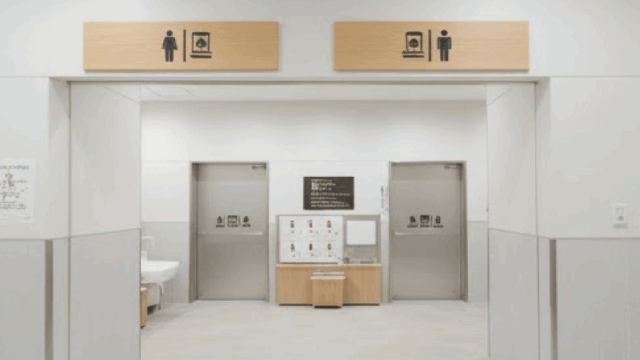
Sometimes yes, sometimes no. The frustrating part is that it’s not “region-based.” It’s property-by-property. Two onsens in the same town can have completely different rules.
So instead of hoping, plan using a yes/no flow:
- Yes if the facility clearly says tattoos are allowed in shared baths
- Yes if it says “cover required” and your tattoo fits the sticker size you can bring
- Yes if you book a private bath (kashikiri / family bath)
- No if the rules are unclear and you hate awkward conversations
The goal is not to “win entry.” The goal is to soak and relax like you belong there.
Japan hot springs tattoo policy
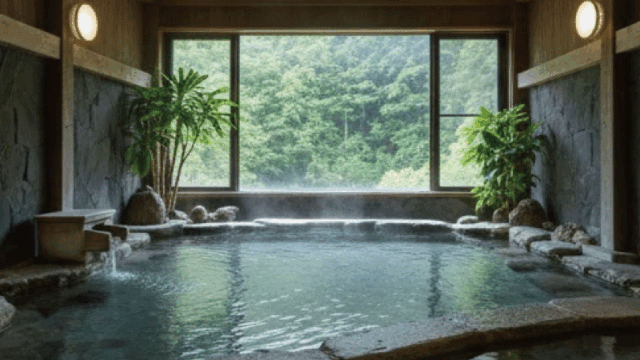
Here’s what I want you to watch for, beyond the headline:
- Where the policy is shown: clear website + signage usually means smoother experience
- How the staff communicates: confident “Yes, that’s fine” vs hesitant “Maybe” matters a lot
- Who the facility serves: tourist-heavy places tend to be more tattoo-ready
- What kind of bath it is: big communal baths are stricter than private baths
Even if an onsen is labeled “tattoo friendly,” you still need to follow all onsen rules inside (wash first, no swimwear in bathing areas, no photos, keep it quiet). Being “allowed” is not the same as being “comfortable” in a shared space.
How to Cover Tattoos in Japan (What Actually Works)
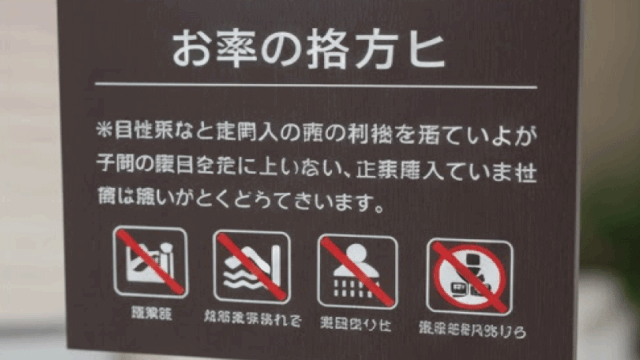
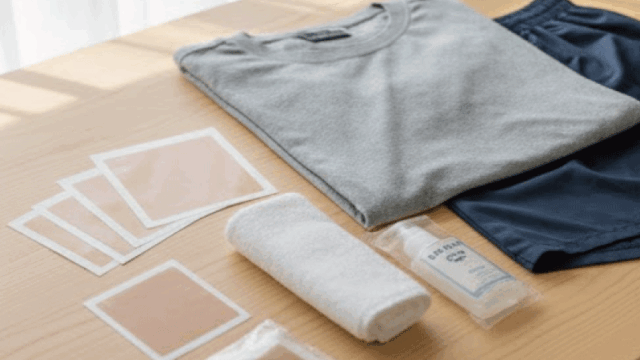
If your option is “cover required,” your comfort depends on preparation. The most common mistake is arriving with a tattoo that’s bigger than what the facility expects you to cover.
What works in real life
- Bring your own cover stickers in multiple sizes
- Use a rash guard for places like pools or onsen theme-park style areas that allow covered tattoos
- Long sleeves are the easiest “no-drama” move for moving around town
What creates awkward moments
- Asking for stickers at the counter and finding out they don’t have your size
- Covering poorly so the edge peels in the bath
- Talking loudly about tattoos inside the bathing area
My local tip: If you’re nervous, choose a plan that doesn’t rely on perfect sticker coverage. Private baths are the easiest stress-free button.
How to Find Tattoo-Friendly Onsens in Japan: Day Trip Guide to Atami Onsen
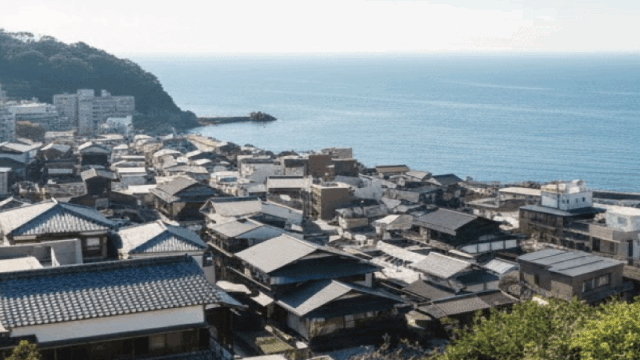
If you’re doing a day trip, you want a place where the tattoo situation is predictable. That’s why “tattoo friendly onsen Japan” searches can still be risky: some pages say “OK,” but the reality is “OK if…”
Here’s how I’d approach a day trip to Atami-onsen specifically:
- Assume rules vary by property, not by city
- Pick facilities that state one of the four policy types clearly
- If you have larger tattoos, jump straight to private bath options
- If you’re new to onsen etiquette, choose a modern facility with clear signage and staff used to tourists
This onsen is for you if…
- You want a day trip with minimal negotiation
- You prefer clear rules over “maybe” answers
- You’re okay choosing private baths to remove stress
This onsen is NOT for you if…
- You have large tattoos and only want communal baths
- You dislike local-only atmospheres with unclear expectations
- You don’t want to message or confirm rules before you go
If you want extra help choosing the “least awkward” style of onsen, these internal guides can help:
- Tattoo-friendly onsen guides by worry type
- Atami onsen basics: day trips, access, and options
- Things not to do in Japan: avoid awkward etiquette moments
Conclusion: Can You Have Tattoos in Japan?
Bottom line: don’t judge by “tattoo OK” alone. Judge by whether you can enjoy the experience stress-free.
My simple yes/no finish
- Yes: Fully OK facilities where tattoos are clearly allowed in shared baths
- Yes: Cover-required facilities if your tattoo fits and you bring your own stickers
- Yes: Private bath only if you want guaranteed comfort
- No: Unclear rules if you hate awkward conversations or surprises
And one last reminder: policies can change, and each facility has the final say. Please confirm details on the official site before you go. If you have any medical concerns (fresh ink, skin issues, infections), the safest approach is to consult a qualified professional and avoid risky bathing until it’s fully healed.
If you want, tell me your tattoo size (small / medium / large), whether you’re okay with stickers, and whether you prefer private baths. I can help you choose the lowest-stress route for your trip.