Best onsen in japan for Tattooed Travelers: No Stress Guide

Hi, this is Yusuke from Discover Japan Hidden. Are you worried about being turned away from a hot spring because of your ink? I get it. Finding the best onsen in japan when you have tattoos can feel like navigating a cultural minefield. You probably want to experience those famous near Tokyo day trips or find a luxury ryokan with private onsen, but the fear of a “No Tattoos” sign at the door is real. Whether you are visiting with families, as couples, or solo, my goal is to help you skip the awkwardness. Let’s figure out where you can soak without the stress and which spots are actually welcoming for 2026.
- The reality of tattoo policies and how to avoid being kicked out
- How to find high-quality private baths for total privacy and relaxation
- Recommended towns near Tokyo and Kyoto that are genuinely tourist-friendly
- Budgeting for ryokan stays and understanding hidden costs like bath taxes
- How to Choose the Best Onsen in Japan for Your Needs
- Check Tattoo-Friendly Facilities with This Decision Chart
- Why You Should Prioritize Tattoo-Friendly Onsen Towns
- Who Should Choose a Ryokan with a Private Onsen
- How to Find Places with Private Onsen for Couples
- Near Tokyo Day Trip Onsen: How to Decide if a Visit is Possible
- Experiencing Traditional Open-air Baths near Kyoto
- How to Book the Best Onsen in Japan Without Any Mistakes
How to Choose the Best Onsen in Japan for Your Needs
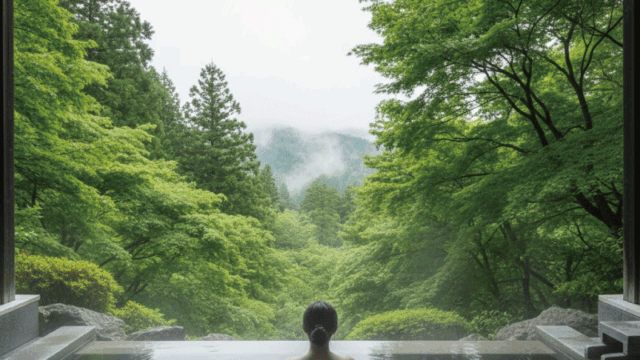
Choosing the right spot isn’t just about the water quality; it’s about the “vibe” and the local rules. Japan’s onsen culture is shifting, but it’s not uniform. To help you decide where to go, let’s break down the options based on how much you want to interact with the local rules versus how much you just want to relax. I know it can be confusing, so I’ve organized this to help you decide which path is right for you.
Check Tattoo-Friendly Facilities with This Decision Chart
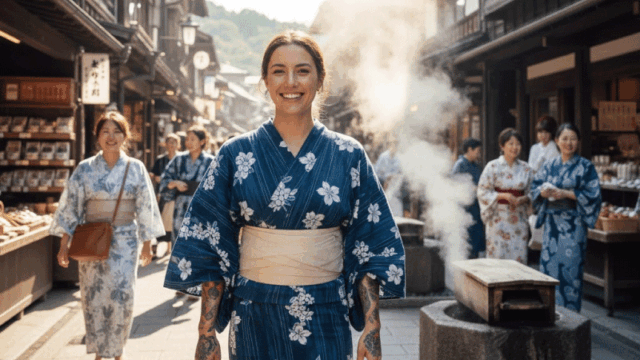
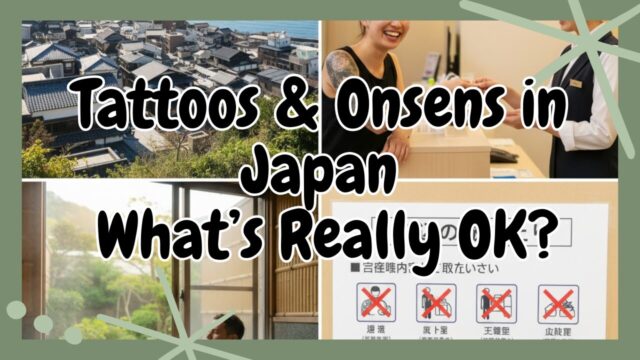
First thing’s first: how big is your tattoo? This is the ultimate “Yes/No” starting point in Japan. Historically, tattoos were associated with the Yakuza (Japanese organized crime), and while that image is fading among younger Japanese, many bathhouse owners still stick to old rules to avoid any “awkwardness” with conservative regulars. However, the government has been encouraging facilities to be more flexible to accommodate international tourism.
Understanding the Three Levels of Acceptance
In 2026, most facilities fall into three categories. Knowing these will save you a lot of embarrassment at the front desk. First, there are the “Strictly No” places—mostly older, local Sento or high-end traditional ryokans. Second, the “Cover-up OK” places—they will let you in if you use a waterproof sticker. Third, the “Tattoo Friendly” spots—mostly located in international hubs or specific designated towns.
Decision Flow: Can I Enter the Public Bath?
- Is it a tiny tattoo? (under 10cm): Yes, usually OK with a cover-up sticker (available at convenience stores or the front desk).
- Is it a sleeve or large piece?: Generally NO for standard public baths. You should head to a “Friendly Town” or book a private bath.
- Is it a “Sento” (Community Bathhouse)?: Often YES. Many local sentos in Tokyo and Osaka are legally required to accept everyone.
If you have large tattoos, I really don’t recommend trying to “sneak in.” It’s stressful for you and the staff. If someone complains, the staff are forced to ask you to leave, which is a vibe-killer for your vacation. According to the Japan Tourism Agency, they have issued guidelines to the industry to be more inclusive of “foreign tourists with tattoos for cultural or religious reasons,” but remember, these are guidelines, not laws. (Source: Japan Tourism Agency / JTA)
Why You Should Prioritize Tattoo-Friendly Onsen Towns
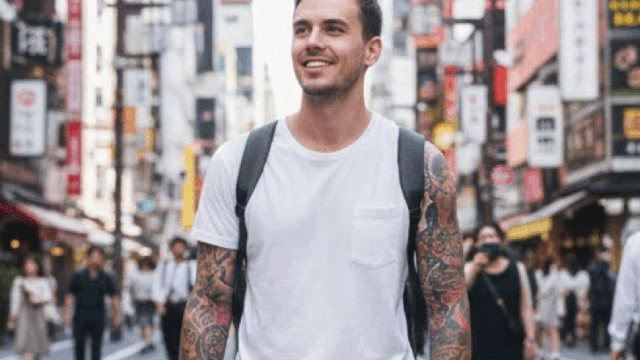
If you want to walk around in a yukata and hop from bath to bath without a care in the world, you should choose a town that has a “town-wide” welcoming policy. This is a total game-changer. Instead of checking the rules for every single building, you can just relax and enjoy the scenery. This is what I call the “Stress-Free Route.”
The Magic of Kinosaki Onsen
Kinosaki Onsen in Hyogo prefecture is the absolute gold standard. A few years ago, the town made a collective decision: all seven of their iconic public bathhouses are 100% open to people with tattoos of any size. It doesn’t matter if you have a small star or a full bodysuit. This creates a unique atmosphere where you see people from all over the world enjoying the water alongside locals. It’s one of the few places in Japan where the “tattoo barrier” simply doesn’t exist.
Why the Atmosphere Matters
When a whole town is “tattoo friendly,” the local restaurants, shops, and inns are used to seeing international travelers. You won’t get those “surprised stares” when you reach for a glass of beer at a local izakaya after your bath. This sense of belonging is a huge part of the best onsen in japan experience. Other towns are starting to follow suit, but Kinosaki remains the leader. If you have ink and want the “authentic” experience without the “hiding” part, just go here. It’s that simple.
Who Should Choose a Ryokan with a Private Onsen
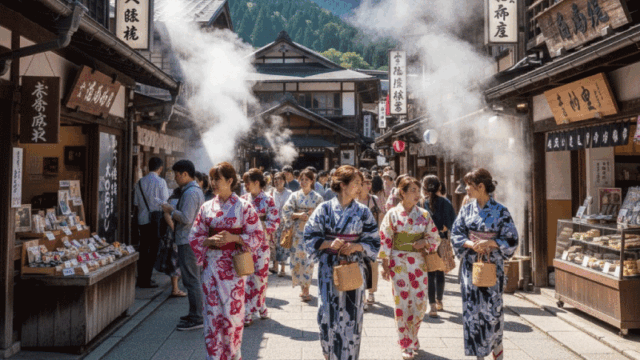
If the idea of being naked in front of strangers—tattooed or not—makes you cringe, then a ryokan with private onsen is your best bet. This is also the only realistic choice for many people with large traditional Japanese-style tattoos (Irezumi), as some rural spots still associate them with historical gang affiliations, regardless of your nationality. Let’s be honest: sometimes you just want to soak with a view and a drink without worrying about anyone else.
Total Privacy and Luxury
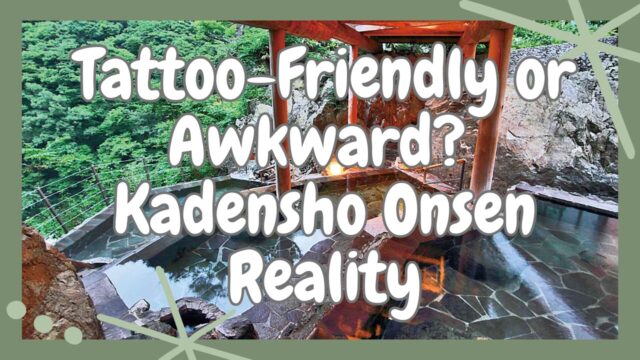
Private baths come in two main types. The first is “Kashikiri-furo” (reserved private baths). These are separate rooms within the hotel that you book for 45-60 minutes. The second, and my personal favorite, is a “Room with an Open-air Bath” (Rotenburo-tsuki kyoshitsu). This means you have a bathtub on your own balcony. It’s 100% private, 100% tattoo-safe, and 100% stress-free.
Who Should Choose Private?
- People with large tattoos (full sleeves, back pieces).
- Couples who want to soak together (most public baths are gender-segregated).
- Families with young children who might be loud or need assistance.
- Anyone who is shy about public nudity (it’s a big hurdle for many!).
Yes, it’s more expensive. But if you think about it as “paying for peace of mind,” it’s a bargain. You don’t have to look for stickers, you don’t have to worry about stares, and you can enjoy the water at 2 AM under the stars if you want. For many, this is the true definition of a “best onsen” experience.
How to Find Places with Private Onsen for Couples
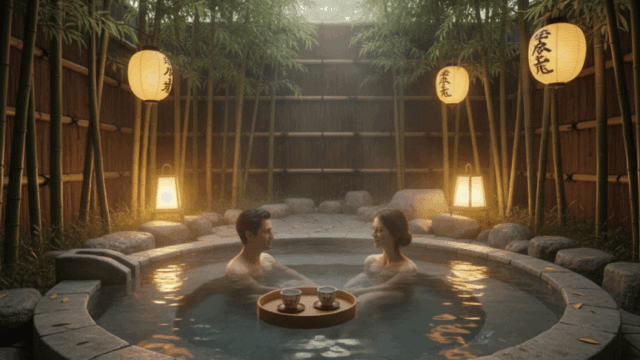
In Japan, public hot springs are strictly gender-segregated. This is a common shock for first-time travelers. You go to this beautiful place with your partner, and then… you have to say goodbye at the door. If you’re on a honeymoon or a romantic getaway, you definitely want couples-friendly options where you can stay together.
Finding “Kashikiri” (Private) Baths
When you are looking for a place to stay, search specifically for the term “Kashikiri-furo” (貸切風呂). Many ryokans have these “family baths” that you can reserve. Some are free on a first-come, first-served basis, while others require a booking fee (usually around ¥2,000 to ¥5,000). If the ryokan says “Private Bath available,” it usually means you can soak as a couple regardless of gender.
The Best Locations for Romantic Views
Hakone and the Fuji Five Lakes (Fujigoko) area are famous for these. Imagine soaking in a private tub with your partner while looking at Mt. Fuji. I highly recommend booking these slots during the “Magic Hour” (sunset) for the best photos and atmosphere. Just remember: even in private baths, the “wash before you soak” rule still applies! Keep the water clean for the next couple.
| Area | Type of Couple Experience | Vibe |
|---|---|---|
| Hakone | Luxury Ryokan with Balcony Bath | Romantic & High-end |
| Kinosaki | Public Bath-Hopping in Yukata | Traditional & Fun |
| Arima (Kobe) | Ancient “Golden Water” Private Baths | Historic & Exclusive |
Near Tokyo Day Trip Onsen: How to Decide if a Visit is Possible
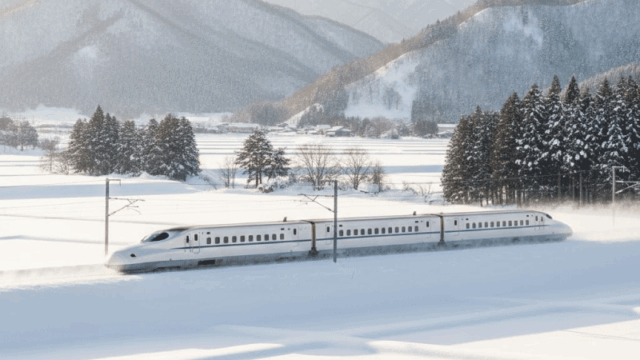
Short on time? You don’t have to spend a night at an expensive inn to enjoy the water. Towns like Hakone, Atami, and even parts of Yokohama are perfect near Tokyo destinations for a “Higaeri” (day trip). However, for tattooed travelers, day trips can be a bit trickier than overnight stays.
Day-Trip Strategies for Inked Travelers
Many high-end ryokans only open their baths to day-trippers for a few hours in the afternoon (typically 11:00 to 15:00). If you have tattoos, your best bet for a day trip is a “Super Sento” or a facility that has private day-use rooms. For example, in Hakone, “Tenzan Onsen” is a legendary spot that is famous for being somewhat more open to tattoos than others, provided you follow their specific group rules.
Day Trip Warnings:
- Check the hours: Most places stop day-entry by 3 PM to prepare for overnight guests.
- Towel Rental: Unlike hotels, day-trip spots often charge for towels. Bring your own to save a few hundred yen.
- Crowds: Weekends near Tokyo are packed. If you want a private day-use bath, book it online in advance.
If you’re in a rush, look for “Ashiyu” (foot baths) in places like Hakone-Yumoto station. They are usually free or very cheap (¥200), and since you only roll up your pants, tattoos on your upper body aren’t an issue at all! It’s the easiest way to get a “taste” of the onsen water.
Experiencing Traditional Open-air Baths near Kyoto
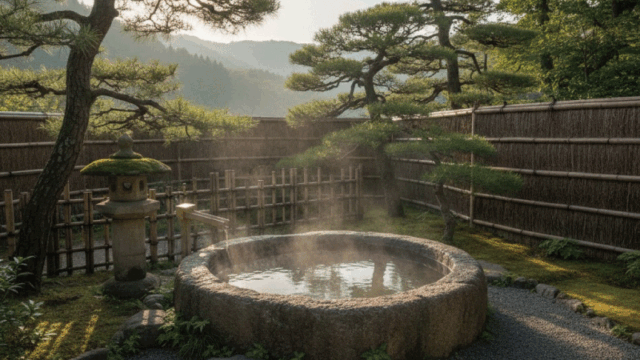
Kyoto is the heart of Japanese culture, but surprisingly, natural hot springs are rare in the city center. To find the best onsen in japan experience while staying in the ancient capital, you need to head to the outskirts. Places like Kurama (to the north) or Arashiyama (to the west) offer stunning near Kyoto options that combine history with nature.
Arashiyama: Luxury and Scenery
Arashiyama is famous for its bamboo forest, but it also has several high-end ryokans along the Hozugawa River. Because this area is so popular with international tourists, the staff are very “tattoo-aware.” Many of the newer luxury hotels here were built with private in-room baths specifically because they know travelers want them. Soaking while watching the Sagano Scenic Railway pass by in the distance is a peak Kyoto moment.
Kurama and Ohara: Rural Charms
If you want a more “rustic” feel, head to Kurama. The outdoor bath (Rotenburo) there feels like it’s carved right into the mountain forest. It’s beautiful in the autumn when the leaves turn red. For tattooed guests, always email ahead here, as these are more traditional mountain inns. They might suggest a specific time or a private option. The train ride to Kurama on the Eizan Railway is half the fun—it’s like traveling back in time.
How to Book the Best Onsen in Japan Without Any Mistakes
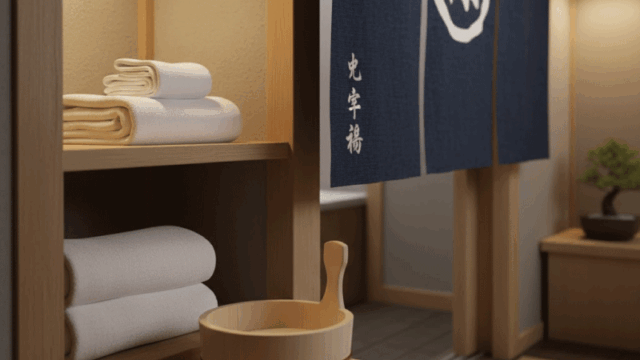
Booking an onsen is a bit different from a standard hotel. You aren’t just paying for a bed; you’re paying for a cultural package that includes “Omotenashi” (hospitality) and usually two massive meals. If you mess up the booking, you might miss out on the best part of the experience. Let’s make sure you get exactly what you’re looking for without any “lost in translation” moments.
Checking for Family-Friendly Facilities in Advance
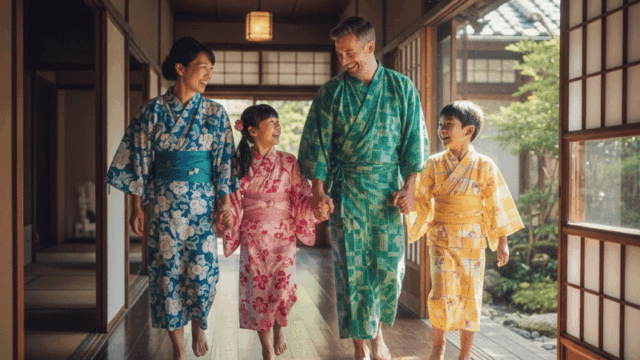
Traveling with kids adds another layer of complexity. In Japan, some high-end ryokans are specifically for “adults only” to maintain a quiet, meditative atmosphere. If you are traveling as families, you need to be careful. You don’t want to show up at a silent Zen retreat with a toddler!
Kid-Friendly Onsen Towns
Places like Hakone or Beppu have “Onsen Theme Parks” (like Yunessun or Suginoi Hotel). These are perfect because they often have “swimsuit areas” where the whole family can play together. For tattooed parents, swimsuit areas are great because you can wear a rash guard to cover your ink! It’s a win-win.
Tips for Parents:
- Food: Traditional “Kaiseki” can be tough for picky eaters. Check if they have a “Kids Menu” (usually includes fried shrimp and rice).
- Bath Temperature: Onsen water is HOT (often 42°C+). This can be dangerous for babies. Look for “Alkaline” springs, which are gentler on sensitive skin.
- Space: Standard Japanese rooms use Futons on the floor. This is actually safer for kids than high beds!
Always mention the age of your children when booking. In Japan, “child rates” are very specific based on whether they need a bed, a meal, or just entry. Being clear upfront saves you from a massive bill at checkout.
Ryokan with Private Onsen Pricing Guide
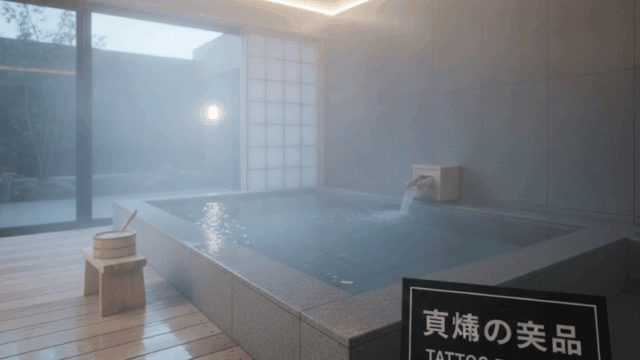
Let’s talk about the “Onsen Tax” and pricing. A ryokan with private onsen is a premium experience. Unlike Western hotels where you pay for the room, most traditional Japanese ryokans charge per person. If a room is ¥30,000, and there are two of you, the total is ¥60,000. This caught me off guard the first time!
Breakdown of Costs
Why is it so expensive? Because it usually includes a 10-course Kaiseki dinner and a full Japanese breakfast. You are essentially paying for a private chef and a spa day in one package. Also, don’t forget the “Onsen Tax” (Bath Tax)—this is a mandatory local tax of about ¥150 per person, usually paid in cash at checkout. It’s small, but it’s a standard rule across Japan.
| Stay Style | Average Price (Per Person) | Tattoo Safety |
|---|---|---|
| Public Bathhouse (Sento) | ¥500 – ¥1,000 | Medium (depends on location) |
| Standard Ryokan (Public Bath) | ¥15,000 – ¥25,000 | Low (stick to stickers) |
| Luxury Ryokan (Private Bath) | ¥40,000 – ¥100,000+ | 100% Guaranteed |
If you are on a budget, consider staying at a cheaper hotel near the onsen town and just paying for “day use” (Higaeri) private baths at the fancy ryokans. It’s a great “hack” to get the luxury water for a fraction of the price.
Onsen Availability and Important Bathing Etiquette Tips
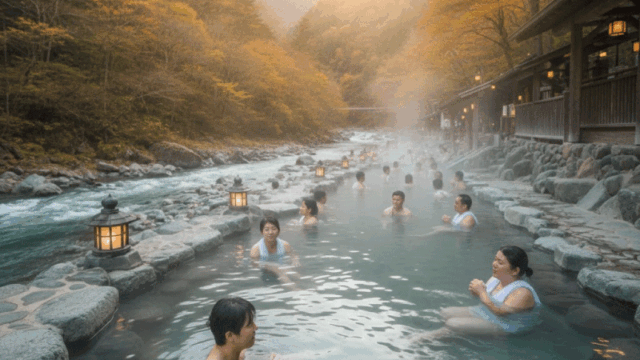
Historically, Japan had many “Konyoku” (mixed gender) baths. Today, they are rare and mostly found in remote areas like Nyuto Onsen in Akita or deep in the Japanese Alps. If you are a couple or a family who wants to experience the best onsen in japan together without a private bath, this is your only option. But there are strict rules to follow.
Manners in Mixed Baths
First, don’t worry—you won’t be exposed. Most modern mixed baths require (or provide) “Yu-ami” (bathing wraps) for women. Men are usually expected to use a small towel to stay modest. The most important rule? No staring. It sounds obvious, but the atmosphere in these baths is supposed to be one of “natural harmony,” not a tourist attraction.
Also, the standard “Onsen Etiquette” applies: wash your body thoroughly at the shower station before entering the pool. Never put your hair in the water—tie it up! And whatever you do, do not bring your phone or camera into the bath area. Even if no one is there, it’s a major violation of privacy and will get you banned immediately.
Checking Access for Winter Snow-viewing Onsen Experiences
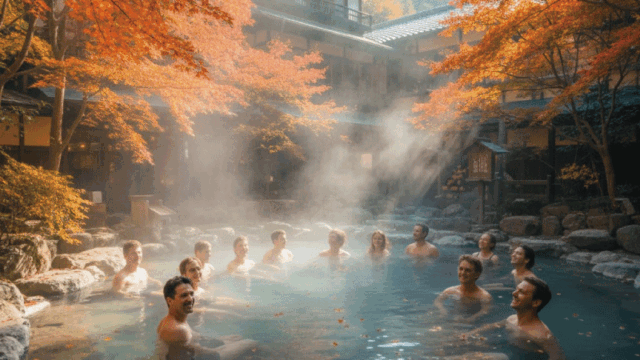
There is nothing—and I mean nothing—more iconic than sitting in a hot outdoor bath while snow falls on your shoulders. This is the “Yukimi-zake” (snow-viewing bath) experience. But for a smooth trip, you need to plan the logistics carefully. The best snowy onsens are in the “Snow Country” (Yukiguni) areas like Tohoku, Nagano, and Hokkaido.
Getting There Safely
In Winter, many of these best onsen in japan locations are deep in the mountains. If you’re coming from Tokyo, you’ll likely take the Shinkansen (Bullet Train) to a hub like Nagano or Yamagata, and then a local bus. I strongly advise against renting a car unless you are very experienced with driving on ice. Whiteout conditions are common, and mountain roads are steep.
Winter Booking Secrets
Ginzan Onsen in Yamagata is the place that looks like “Spirited Away” in the snow. It is beautiful, but it is incredibly difficult to book. For January or February stays, you often need to book 6 months in advance. If you can’t get in, look at nearby “Zao Onsen”—it’s famous for “Snow Monsters” (frozen trees) and has much more availability. Just make sure to pack warm socks; ryokan floors are made of wood and tatami, and they can be chilly in the winter!
2026 Guide: Best Onsen in Japan Summary
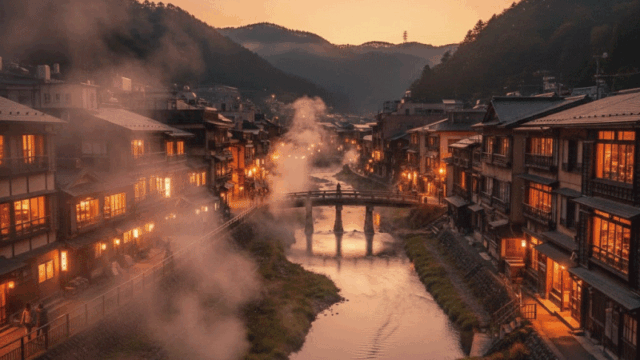
So, what’s the final word? The best onsen in japan is the one where you can actually relax. If you have tattoos, don’t let the old rules stop you from experiencing this beautiful part of Japanese culture. By choosing tattoo friendly towns like Kinosaki or booking a ryokan with private onsen, you can enjoy the healing waters without a single “awkward moment.”
Remember to respect the local manners: wash before you soak, keep your towels out of the water, and be mindful of the quiet atmosphere. Whether you are traveling as couples, with families, or solo, there is a perfect spring waiting for you. For 2026, I recommend checking official websites like the Japan National Tourism Organization (JNTO) for the latest travel updates and specific facility rules. Japan is ready to welcome you—ink and all. Happy soaking!