A Best Japan Itinerary: 7, 14, or 21 Days (Local Tips)
Hi, this is Yusuke from Discover Japan Hidden.
If you’re searching Best Japan Itinerary, it’s easy to feel overwhelmed because there’s just too much info out there. And honestly, the best route changes a lot depending on whether you have 7 days, 14 days, or 21 days. On top of that, you’ve got questions like how to connect a Japan travel route between Tokyo, Kyoto, and Osaka, whether JR Pass and Shinkansen travel make sense for your plan, how flights compare, what the best season for Japan travel really is, and how to think about Japan travel cost and budget tips without your money and time evaporating on the ground.
I live in a small rural town in Japan, and I’m a chef, a gardener, and a dad. So instead of pushing one “perfect” tourist answer, I focus on Planning a Realistic Best Japan Itinerary: practical pacing, safer choices for families, and what actually feels doable in real life. I also try to reduce stress for travelers who often struggle to find clear English info, like vegan travelers, accessibility needs, and tattoo friendly onsen options.
By the end of this article, you should be able to connect the dots from 7 Day Japan itinerary highlights to a 14 Day Japan itinerary comparison and a 21 Day Japan itinerary overview, and leave with Best Japan Itinerary summary and tips you can actually use.
- What you can realistically cover in 7, 14, or 21 days
- How to connect Tokyo, Kyoto, and Osaka without burning out
- When JR Pass, Shinkansen, and flights make sense
- How to handle season, budget, and food concerns with less stress
Best Japan Itinerary for First-Time Visitors
Japan can feel tiring on your first trip, not because it’s difficult, but because there’s so much information and so many transport choices. Here I’ll keep things “safe and classic” as the base, while mixing in the local reality I see every day, so your plan stays simple and low risk.
Best-Japan-Itinerary for First-Time Visitors
Start by making the “skeleton” lighter
The biggest thing that helps on a first Japan trip is designing it so you’re not constantly sprinting. Japan is packed with sights, and once you start pinning places on maps, the pins multiply fast. But every extra pin adds more moving, more decisions, and more fatigue. I watch travelers’ faces a lot, and the happiest ones usually have space in their schedule. They can laugh if they get lost at a station, and they don’t collapse if it rains. That “buffer” also matters for safety.
Safety planning from a family perspective
Because I’m a dad, I always look at an itinerary and think: if someone suddenly feels unwell, where can you rest quickly? If your days are built around long lines at peak time, bathroom timing and hydration get messy, and people crash. If you place “refuel bases” like station buildings, department stores, shopping streets, and convenience stores along the way, you can handle sudden rain or temperature swings much more smoothly. In Japan, you can usually grab water, electrolytes, heat packs, bandages, and basic medicine pretty easily, which helps a lot.
The single best tip for a first trip is booking at least two nights in the same hotel whenever you can. Less packing and unpacking saves more energy than you’d think.
Less “correct sightseeing,” more “comfortable travel”
Guidebook classics are great, but on your first trip, simply learning the rhythm of Japanese transit is part of the experience. Big stations have multiple exits and huge corridors, and one small mistake can put you on the opposite side of a neighborhood. So for the first two days, I usually recommend fewer long moves, then “push harder” once jet lag fades. Instead of going full throttle from morning to midnight, building in a 30 minute sit down break often means you can actually do more.
When to trust official info vs local feel
For safety and transportation, official sources matter more than rumors. Natural disasters, service suspensions, event cancellations, and crowd controls can change quickly. I can feel weather and road conditions locally, but it’s hard for you to do that as a visitor. So it’s smart to bookmark official sources and ask your hotel or station staff when you’re unsure.
If you want a simple list of official links and practical essentials, this page on my site can help. Japan travel official resources and safety tips
7-Day Japan itinerary highlights
Seven days means “3 cities plus 1 day trip” at most
Seven days feels short, but you can still fit in a lot. The classic, low stress pattern is Tokyo first, then flow into Kansai. My usual “realistic” shape is something like 3 nights in Tokyo, 2 nights in Kyoto, 1 night in Osaka, and then you adjust the remaining day based on your interests. If you want an easy day trip, from Tokyo: Hakone or Kamakura. From Kansai: Nara is a strong pick. People often want to add Hiroshima too, but in 7 days it can create a big “travel block,” so your energy level and early morning tolerance really matter. Yeah, this part is exactly where most people get stuck.
Think “fixed + flexible”
What works well in 7 days is fixing the first half and keeping the second half more flexible. The “fixed” part is for building basic confidence and rhythm, and the “flexible” part is for weather and how your body feels. For example, if you move from Tokyo to Kyoto on day 3, don’t cram sightseeing into that day. Arrive, settle in, and keep the evening light. Then on the next morning, aim for Kiyomizu-dera or Gion early, before the crowds. Avoiding peak hours can completely change the feel of the same place.
A chef’s small tip: instead of waiting in a famous line, try a weekday lunch at a local teishoku spot (set meal diner). You’ll taste everyday Japan, not “tourist Japan.”
Food and energy: start with “defense”
In a week, you’ll want to explore food, and you should. But once your stomach gets tired, your whole trip can spiral. It helps to know a few “safe” options from day one: onigiri, udon, soups, yogurt, simple rice bowls. If you’re worried about salt from eating out a lot, drink more water and add fruit when you can. Small, boring habits protect your energy for the later days.
Walking strategy: shoes and breaks
Japan is amazing for walking, but your step count can explode. If you hurt your feet in a 7 day trip, the second half becomes painful. So I like to schedule a “sit down moment” every day. It doesn’t have to be a fancy café. A department store rest area or even a station bench can be enough. In hot months, heat exhaustion is a real risk, so don’t push through just to “tick boxes.” If you have health concerns, it’s always safest to speak with a medical professional before and during travel decisions.
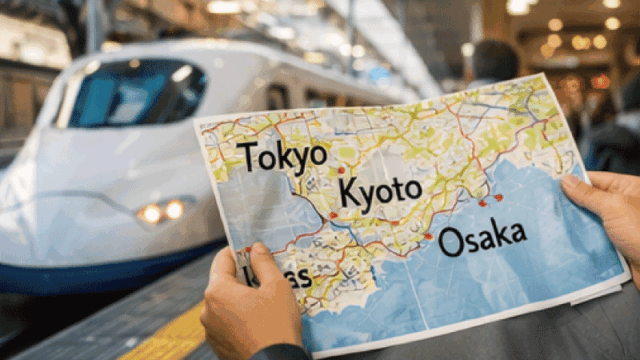
Japan travel route Tokyo Kyoto Osaka
Flowing east to west is simplest
Tokyo, Kyoto, and Osaka are the backbone of many first trips. I often recommend this order because it’s gentle: Tokyo helps you learn the city rhythm and transit, Kyoto brings history and calm, and Osaka adds food and nightlife energy. You can do it the other way around too, but if you overload the first half, you burn out fast. Starting steady and building speed usually feels better.
Kyoto needs area planning or it gets messy
Kyoto’s sights are spread out, and buses can be crowded. This is where beginners stumble the most. So I recommend splitting Kyoto by areas: keep Higashiyama mostly on foot, do Arashiyama early in the morning, and aim for less crowded temples in the late afternoon. The less you bounce around, the calmer your experience gets. The moment your trip shifts from “tourism” to “real experience” usually happens when you have time to breathe.
Kyoto basics that work
- Group Higashiyama on foot
- Do Arashiyama early
- Use late afternoon for quieter temples
Osaka: make room for food time
Osaka has plenty of sights, but I really want you to protect time for food. Dotonbori is easy and famous, but it’s crowded. If you mix in shopping streets, markets, or areas one stop away, prices are calmer and you’ll feel more local pace. Street food is fun, but can get heavy, so add a lighter meal in between if your stomach gets tired.
Luggage choices can make the whole route easier
When you move from Tokyo to Kyoto and Osaka, heavy luggage adds stress instantly. So consider shipping big bags ahead when it makes sense. The exact process depends on your hotel and the delivery service, so asking your accommodation is usually the most reliable path. Traveling lighter makes transfers and sightseeing feel much easier.
JR Pass and Shinkansen travel
Rule one: calculate before you buy
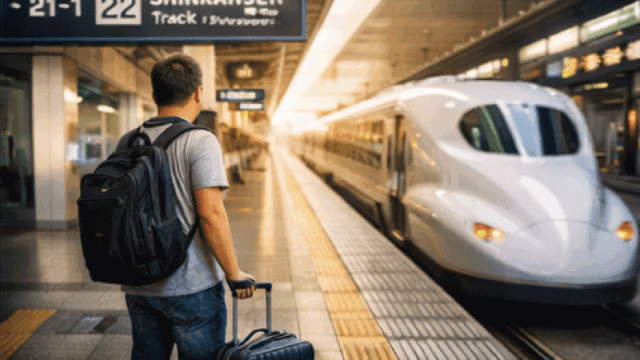
JR Pass is convenient, but it’s not an automatic bargain. If your route is basically Tokyo and Kansai, buying individual tickets can be cheaper. If you’re extending to Hiroshima or further into Kyushu, then it may be worth calculating. When travelers ask me, I usually say: write down how many Shinkansen rides you’ll actually take. Once the rides are visible, the decision gets much easier.
Shinkansen is fast, but it “eats sightseeing time”
Shinkansen is fast and comfortable. But the more you move, the more sightseeing time you lose. This is the trap. For travel heavy itineraries, I think protecting your mornings is the secret. Early mornings let you see major spots before peak crowds, which creates breathing room later. If you stay out late every night and lose your mornings, you’ll collide with lines and heat, and fatigue doubles.
Prices and conditions can change. Always check official sources before purchasing. The best choice depends on your exact route and budget.
Reserved seats are “travel insurance”
In busy seasons, standing or scrambling for seats can drain you. I like thinking of reserved seats as travel insurance, especially for longer rides. The more tired you are, the more valuable a guaranteed seat becomes. For families and travelers with luggage, it matters even more. If English feels scary, station counters can usually help if you say “reserved seat.”
Solo travel: fewer moves is often safer
Solo travel gives you freedom, but it also tempts you to add more moves. When you’re tired, your decisions get sloppy. I honestly think solo travelers benefit even more from fewer transfers and fewer long travel days. Less time on trains, more time breathing in each place.
If you want a simple decision framework for solo travel, I shared tips here. JR Pass tips for solo travel in Japan
Best season for Japan travel

Season affects energy as much as scenery
The best season for Japan travel depends on your body and your goals. Spring cherry blossoms and autumn foliage are beautiful, but they’re crowded. Summer festivals and fireworks are amazing, but heat and humidity can drain you quickly. Winter has snow scenery and hot springs, but road and rail conditions vary by region. Living in rural Japan, I feel the seasons strongly, and travelers often get surprised by the gap between expectations and reality.
For beginners, stable weather is your friend
In general, beginners do well when temperatures are less extreme. But every year is different, and typhoons or rainy season timing can shift. So instead of planning around “I must see this exact view,” it’s smarter to mix in rain friendly options: museums, indoor markets, cooking experiences, department store basements (depachika). That way your trip still feels good even if the forecast changes.
For families who want a safer pace, avoid the peak rush when possible, start early, and schedule a midday break. It makes a huge difference.
For weather and disasters, official info comes first
Japan is generally safe, but earthquakes and typhoons can happen. That’s why I want you to have official safety info ready during your trip. This is a strong primary source you can bookmark as a traveler.
(Source: JNTO Safety tips for travelers)
If the weather looks risky, choosing not to move is sometimes the smartest decision. When you’re unsure, ask your hotel or tourist information staff. And if health conditions are involved, please consult a professional when needed.
Planning a Realistic Best Japan Itinerary
Now let’s get more practical about building your plan by trip length. Budget, transport, food restrictions, onsen limitations, and accessibility. These are the things that quietly decide whether a trip feels smooth or stressful.
Planning a Realistic Best-Japan-Itinerary
A realistic plan is about recovery power
Planning a Realistic Best-Japan-Itinerary doesn’t mean killing your dreams. It means building a structure that can recover when reality hits. I plan by choosing only three “must do” experiences first, and leaving the rest as flexible space. With that space, you can adapt to rain, crowds, or a rough sleep. Travel is live. Unexpected things happen. And buffer time is what protects you.
Keep travel days light, deepen your stay days
A common Japan travel mistake is cramming sightseeing into travel days. Transfers, check-in, and reorganizing luggage quietly eat time. On travel days, I prefer “see one thing, then rest.” If you move to Kyoto, for example, a simple evening neighborhood walk is enough. If you wake up fresh the next morning, you win. Most people feel better when they protect their mornings instead of pushing late nights every day.
My order for building an itinerary
- Pick only three must do experiences
- Don’t add too many cities
- Keep travel days light
- Lock in an afternoon or evening break
Handle niche needs early, not on the spot
Vegan travel, food allergies, accessibility, tattoos and onsen. These are hard to solve spontaneously in the moment. So I recommend designing the “strict requirement days” first. For example: if you’re vegan, secure a few reliable options while you’re in big cities. If you need accessible transit, reduce transfers and choose hotels closer to stations. If you have tattoos and want hot springs, confirm options early. This reduces stress a lot.
If you’re unsure, prioritize how you feel today
This sounds simple, but it matters. When you’re stuck deciding in Japan, prioritize your body. Pushing because “I came all this way” can break the next few days. Your trip’s value isn’t the number of spots, it’s whether you can enjoy it and go home smiling. Your pace is allowed.
14-Day Japan itinerary comparison
With 14 days, choose a direction
The key to a 14 Day Japan itinerary comparison is choosing what you’re adding beyond Tokyo and Kansai. With two weeks, Hiroshima, Kyushu, Hokuriku, or Tohoku can become realistic. But you can’t do everything without turning your trip into a transport marathon. I think 14 days is where your “itinerary design” starts to matter most.
The strongest structure is “classic + one theme”
For a first 14 day trip, the best satisfaction often comes from adding one clear theme to the classic route. Peace and history with Hiroshima, relaxation with an onsen area like Hakone, nature with Hokuriku or Tohoku. A theme connects your photos, meals, and memories. If you try to do both Hokkaido and Okinawa in the same first trip, you’ll add a lot of heavy movement. Choosing either north or south usually feels safer.
| Type | Simple route idea | Best for |
|---|---|---|
| Classic + peace learning | Tokyo → Kyoto → Osaka → Hiroshima | First timers who want the “big picture” |
| Classic + hot springs | Tokyo → Hakone → Kyoto → Osaka | Travelers who want less fatigue |
| Classic + nature | Tokyo → Hokuriku → Kyoto → Osaka | People who want more than big cities |
If you add Hiroshima, Miyajima makes it feel complete
Hiroshima is a place where you learn through the atmosphere, not just the sights. Adding Miyajima brings natural beauty and spiritual calm into the same chapter, which balances your trip emotionally. As a chef, I also see regional food like Hiroshima oysters and okonomiyaki as culture, not just “something to eat.” Food is daily life here.
With 14 days, a rest day helps you “win”
Two weeks of moving drains your legs and your brain. I like adding a rest day around the one week mark. You don’t have to do nothing. A slow walk, a café, a sento, and an early night is enough. If you still have energy in the second half, your whole mood changes.
21-Day Japan itinerary overview
With 21 days, “living Japan” often beats “seeing everything”
With 21 days, a full north to south dream route becomes possible. But I still think “touching daily life” often beats “trying to see everything.” Rural areas have less English information, but the experience density is high. Morning markets, local diners, quiet shrines, farmland views. These stay in your memory longer than a checklist.
Longer trips make health and safety more important
Over three weeks, temperature changes, dry air, long walking days, and diet shifts build up and can knock you down. That’s why I like planning hot springs and proper rest days from the beginning. In winter or mountain areas, weather can disrupt transport, so having a buffer day can save your entire trip.
In mountain and snow regions, transport can be disrupted by weather. Always confirm final travel conditions through official rail and local government sources.
Accessibility: reduce “steps in the journey,” not just distance
If you need accessibility support, travel with a stroller, or use a wheelchair, reducing transfers is often more important than squeezing in extra cities. Fewer transfers, more consecutive nights, hotels closer to stations. This kind of design reduces stress and improves experience quality, even if it means fewer total spots. The best trip is the one you can enjoy safely.
Tattoos and onsen: plan ahead
If you have tattoos, some hot springs may refuse entry. So if onsen is part of your dream, it’s better to keep tattoo friendly options ready in advance. Searching on the spot can eat your time fast.
If tattoos are relevant for you, hot springs can be tricky. Here’s a starting point. Tattoo friendly onsen guides in Japan
Japan travel cost and budget tips
Your budget is mostly “lodging + transport”
For Japan travel cost and budget tips, the most important point is that your total cost usually depends on lodging and transportation. Hotel prices swing by season and location, and Shinkansen and domestic flights also change by timing. So any numbers are general estimates only. I often see travelers underestimate how much location matters. A cheaper hotel far away can cost more in time and transit, and it can reduce your energy too.
Saving money works better when you “mix,” not when you “cut”
Budget travel is easier when you don’t try to be strict every day. For example: enjoy a proper dinner, then do a simple breakfast from a bakery or convenience store. Instead of cafés daily, buy tea and snacks from depachika and eat in a park. Mixing higher and lower cost choices keeps satisfaction high while controlling totals.
A simple budget approach
- Fund your must do experiences first
- Choose hotels based on location and transit cost
- Calculate passes before you buy
- Mix convenience food with great local meals
Food anxiety: build “safe options” early
If you’re vegan or have allergies, food anxiety can steal a lot of joy. I recommend creating two or three “safe” places early in your trip, especially while you’re in big cities. For regional travel, choosing simpler dishes where ingredients are easier to understand can help. But every restaurant is different, so always confirm directly with staff.
Health decisions: don’t force it
Your condition can change quickly while traveling. If restrictions are medical, pushing through isn’t worth it. If you’re concerned, speaking with a qualified professional is the safest choice. A good trip is always a safe trip.
Transportation options JR Pass vs flights
Compare by door to door time
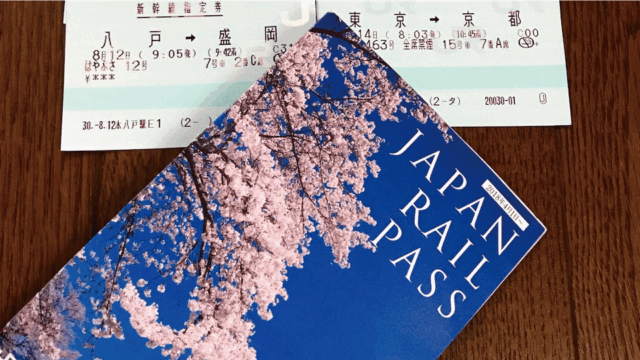
For Transportation options JR Pass vs flights, I compare door to door time. Shinkansen is strong city center to city center. Flights are strong for long distances. But if you add airport transfers, security time, and waiting, the “real speed” depends on your style. If you carry more luggage, Shinkansen often feels easier.
First timers should prioritize “low failure” transport
On a first trip, transport itself is a learning curve. So even if a complicated route is cheaper, I usually prefer a clearer route that’s harder to mess up. In a 7 or 14 day trip, one transport mistake can affect the whole schedule. With 21 days, you have more flexibility to mix flights or other options if you want.
| Situation | Often best | Why |
|---|---|---|
| Mostly Tokyo ↔ Kansai | Shinkansen | Easy city access |
| Adding Hokkaido or Okinawa | Consider domestic flights | Distances are large |
| Many long distance moves | Calculate passes first | Depends on ride count |
Busy seasons: reservations can save your trip
In peak seasons, travel may not go exactly as planned. Seats sell out, airports are crowded, delays happen. So the busier it is, the more reservations can protect your comfort. Just don’t overbook to the point you lose all flexibility. The “right” balance depends on your personality.
Rules and prices can change. Always confirm details through the official pages of rail operators and airlines. If you’re stuck, reorganize your priorities first, then choose the option that best supports them.
Cultural experiences and food tours
Cultural experiences land deeper when they’re close to daily life
When people think of Cultural experiences and food tours, they often imagine kimono, tea ceremony, calligraphy, cooking classes, and festivals. Those can be great. But the “hidden Japan” I want to share is often quieter and closer to daily life: a morning market, a small neighborhood shrine, deli food from a shopping street, the smell at the entrance of a sento bathhouse. These aren’t flashy, but they stay with you. As a chef, I especially feel this. Food isn’t a tourist product, it’s the center of everyday life.
Food tours: taste the “background,” not just the volume
Street food is fun, but if you only chase famous bites, flavors can blur together. I like mixing foods with different cultural backgrounds even within the same city. In Osaka, don’t do only flour based street foods, also taste the dashi culture. In Tokyo, don’t do only ramen, also try a teishoku diner for everyday cooking. When you understand the background, the trip suddenly feels deeper.
If you’re vegan, food planning before and after activities is often the biggest stress point. Big cities give you more options, so keep a few reliable places while you’re in Tokyo.
Choosing accessible experiences
If you need accessibility friendly planning, choose experiences by looking at the venue and the travel route together. Some areas have many steps, uneven paths, or heavy crowd pressure. Even shifting the time of day can reduce the burden a lot. Please choose activities that fit your body and energy. That’s how you keep travel safe and enjoyable.
Borrow the local rhythm
One of my favorite tips is to move opposite the tourist peak. Early morning at shrines and temples, markets before noon, shopping streets in the late afternoon. With fewer people, you hear more and smell more. A lot of Japan’s charm lives in those quiet layers.
If you want a deeper guide for vegan friendly planning in Tokyo, this can help. Vegan restaurants Tokyo guide by a local chef
Best-Japan-Itinerary summary and tips
The real “summary” is buffer time and smart cuts
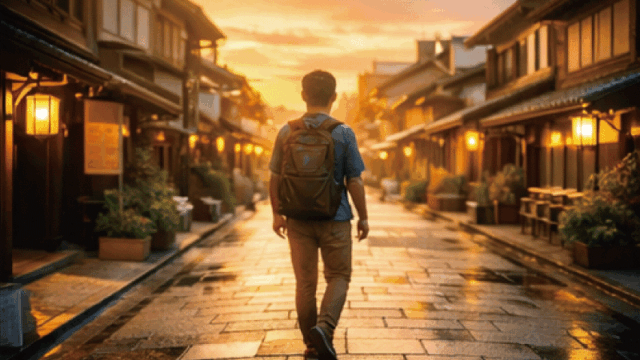
As Best-Japan-Itinerary summary and tips, here’s my final wrap. Best Japan Itinerary isn’t only about where you go. It’s about how you travel without burning out, and how you keep things safe and enjoyable. With 7 days, choose fewer cities and go deeper. With 14 days, pick a direction and expand. With 21 days, add real rest and the density of rural Japan. That’s my basic approach. I know the urge to “see everything.” I really do. But your trip isn’t measured by the number of spots, it’s measured by the quality of your experience.
Concrete steps you can do today
One practical move you can make today
- Narrow your trip goal to three priorities
- Add consecutive nights at the same hotel
- Keep travel days light
- Decide which official sources you’ll check
Be careful with money and safety statements
Transport, seasons, and prices can change. Treat costs as general estimates only, and confirm accurate details on official sites before you buy or commit. The final decisions should fit your route, your budget, and your comfort level. If health conditions are involved, please consult a qualified professional when needed.
Hidden Japan often appears just one street away
One last local note. Japan’s best moments aren’t only in famous places. A shopping street one block away, a small diner, a quiet riverside path. Those small detours are often what transform a trip from simple sightseeing into a deeper cultural experience. I hope your journey is safe, meaningful, and genuinely unforgettable.