Cheapest Months to Fly to Japan

Hi, this is Yusuke from Discover Japan Hidden. If you’re googling the cheapest months to fly to Japan, the cheapest time to fly to Japan, or even the cheapest time of year to fly to Japan, you’re probably staring at flight calendars and wondering something like, “Why is this week double the price of the next one?” I know it feels confusing, especially if it’s your very first trip.
In this guide I’ll walk you through how Japan flight prices by month really move across the year, which seasons give you the cheapest time to visit Japan, and what that actually feels like on the ground in terms of weather, crowds, and local life. We’ll look at the cheapest month to fly to Tokyo and other big cities, compare peak and off-peak timings, and dig into practical cheap flights to Japan tips that work whether you are flying from the US, the UK, Australia, or Europe.
Along the way, I’ll point out what local holidays you definitely need to avoid if you care about your budget, how to match the cheapest months to fly to Japan with your own vacation schedule, and little tricks like choosing the right day of the week or airport. My goal is that by the time you finish reading, you’ll feel calm enough to say, “Okay, I know roughly when to go and what kind of prices I can aim for” instead of endlessly refreshing search results.
By the end, you’ll have a local-style roadmap of the cheapest months to fly to Japan, how to pick your own cheapest time to fly to Japan based on your schedule, and simple ways to keep your total trip cost down, not just the plane ticket. I want you to feel that booking your first Japan trip is exciting, not stressful.
- The big picture of Japan’s peak, shoulder, and off-peak flight seasons
- Concrete examples of the cheapest months to fly to Japan and what those trips actually look like
- Region-specific advice for travelers coming from the USA, UK, and Australia
- Practical booking strategies so you can turn cheap seasons into real, affordable tickets
cheapest months to fly to japan guide

In this first part, I’ll break down how flight prices change across the year and which periods usually become the cheapest months to fly to Japan. Think of this as your seasonal map: we’ll start with a clear overview, then zoom into specific low-cost windows and what you can expect if you travel in each one. If you understand this section well, checking flight calendars will suddenly feel much less random.
The Cheapest Months to Fly to Japan

From what I see year after year as a local who keeps an eye on prices and helps friends plan trips, the months that most often become the cheapest months to fly to Japan are fairly consistent. Of course, there are surprise sales sometimes, but overall the pattern doesn’t change that much.
| Rough period | Why it’s usually cheaper |
|---|---|
| Mid January – late February | Post–New Year slump, cold winter, low tourist demand |
| Early June | Rainy season starts, fewer tourists between spring & summer |
| Late August – parts of September | End of summer holidays, hot & humid, typhoon season |
| Late November – early December | After autumn foliage peak, before Christmas & New Year rush |
Many international flight data tools and big booking sites show similar shapes: prices tend to dip in deep winter, rise for cherry blossoms, calm down again in early summer, go up in mid-summer, then relax a bit in parts of autumn. The exact cheapest month can change slightly each year, but January, February, early June, and late November–early December are almost always “good friends” for budget travelers.
To make this more concrete, let me give you an example scenario. Imagine you’re flying from a big US city like New York or Los Angeles. If you check a whole year of fares to Tokyo, you might see something like this:
- Late March: high prices because of cherry blossoms and huge demand
- Mid April: still expensive, especially around Easter holidays
- Late May: starting to calm down, some decent deals
- Early June: surprisingly reasonable prices if you avoid weekends
- Mid July – mid August: up again thanks to summer holidays and Obon
- Late August – September: some drops, mixed with typhoon-season risk
- Late November: often a nice mix of cooler weather and softer fares
Now compare that with mid January. After the big New Year rush (which is extremely busy inside Japan), a lot of people simply don’t travel. Kids are back in school, offices are busy again, and it’s cold. So airlines start dropping fares to keep planes reasonably full. That’s why so many “cheapest months to fly to Japan” charts highlight winter.
All price ranges and patterns in this article are general examples only. Airfares change quickly based on demand, sales, fuel costs, and your departure airport. For accurate and up-to-date fares, please always check official airline websites or trusted booking platforms, and consider discussing complex or expensive itineraries with a professional travel agent before you book.
If you want to go even deeper into which exact weeks and routes are cheapest, I’ve written a separate long-form guide about seasonal cost patterns on my site called “Cheapest Time to Travel to Japan: Complete Guide.” It pairs nicely with this article when you start narrowing down your dates.
The Cheapest Time to Fly Overview
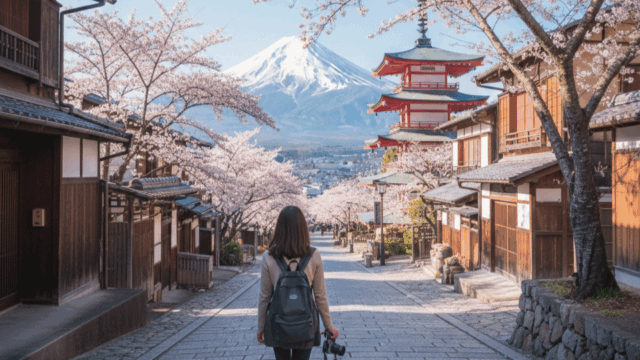
When people ask for The Cheapest Time to Fly Overview, what they really want is a simple mental model. Instead of remembering every single holiday and event, it helps to think of the year in three big zones: peak, shoulder, and off-peak. Once you see it like this, the calendar starts to make sense.
Peak season (most expensive)
Peak seasons are the times when almost everyone wants to come to Japan at once. Flight prices, hotel rates, even some local train tickets feel the pressure.
- Late March – early April: Cherry blossom viewing season (hanami). Incredible atmosphere, but very crowded and expensive.
- Golden Week (around late April – early May): A string of Japanese national holidays when many locals travel domestically or abroad.
- Mid July – mid August: School holidays for many countries plus Obon, a key Japanese holiday period.
- Late December – early January: Christmas and New Year holidays, with many Japanese living overseas coming home.
If you travel in these windows, it doesn’t mean you’ve made a mistake. It just means you’ll probably be paying a premium and need to book very early. For first-timers, peak season can still be beautiful, but it’s not the best choice if your number-one priority is saving money.
Shoulder season (balanced choice)
Shoulder seasons sit on the edges of peak times. They are often the sweet spot where the weather is nice, crowds are more manageable, and prices are not at their maximum.
- Late May – early June: After Golden Week but before deep rainy season; early summer vibes.
- Late September – early November: After the main heat and some typhoon risk, heading into autumn colors.
- Early December: Between autumn foliage and the year-end holiday rush.
Many travelers end up loving shoulder season best. You get a good balance of weather, cost, and atmosphere. It can also be easier to book nice ryokan or popular restaurants without planning your whole life six months ahead.
Off-peak season (often the cheapest)
Off-peak is where the biggest savings hide. This is where you usually find the true cheapest months to fly to Japan, at least on average.
- Mid January – late February: Cold winter, but very calm in big cities and many regional areas.
- Early June: Rainy season kicks in, but it’s not a monsoon; many days are just cloudy with some showers.
- Some parts of September: Humid and typhoon-prone, which scares off some travelers and softens demand.
Understanding these three zones gives you a strong base. If your work schedule is fixed, you can at least aim for off-peak or shoulder days inside your allowed window. If your schedule is flexible, you can literally plan the whole trip around the cheaper months and then pick experiences that match those seasons.
The Cheapest Month to Travel Explained
Now let’s tackle the question everyone secretly wants a simple answer to: “What is the cheapest month to travel?” The honest answer is that it can shift slightly by year, route, and airline, but in practice January and February almost always sit at or near the top of the “best value” list.
Think about what’s happening in Japan in January. After about January 3rd or 4th, the big New Year period is over. Families have gone home, offices re-open, kids are back in school, and life becomes very normal again. At the same time, the weather is chilly or properly cold in most regions, especially in Tohoku and Hokkaido. Casual tourists who are chasing flowers or warm beaches are simply not interested.
Because of that, airlines see fewer people searching for flights. Seats that would sell instantly in late March now move slowly. The natural reaction is to lower prices, or at least offer more promotions to fill those empty seats. You end up with a month where:
- Fares often sit lower than the yearly average.
- Hotels and guesthouses are more likely to offer good rates or have last-minute availability.
- Famous spots like Kyoto’s temples or Tokyo’s major shrines feel quieter and more relaxed.
February is very similar, with a few twists. Ski regions in Hokkaido, Nagano, and Niigata are extremely popular with overseas visitors now, so flights into Sapporo or some ski-focused routes may not feel as “cheap” as they used to. But flights into Tokyo and Osaka, especially on weekdays and non-holiday weeks, can still be very good value.
What a January or February trip actually feels like
If you’re wondering what kind of trip you would have in these months, picture something like this:
- Clear, crisp winter skies in Tokyo with bright sunshine and dry air.
- Hot springs (onsen) that feel incredibly good when the outside air is cold.
- Winter illumination events in cities and theme parks, with beautiful light displays in the evenings.
- Seasonal winter food: hot pot (nabe), oden, rich ramen, and seafood that’s at its best in colder water.
Yes, you’ll need warm clothing and good shoes. Yes, some days in the north can be freezing. But if you enjoy cozy, wintery atmospheres, this can be an amazing time to come while also keeping your budget under control.
A handy way to test if January or February suits you is to ask: “Am I okay wearing a coat, scarf, and maybe gloves most days, in exchange for cheaper flights and fewer crowds?” If the answer is yes, then these months are serious contenders for your ideal Japan trip.
Just remember one thing: even in the cheapest months to fly to Japan, prices can spike for a few days if there is a local three-day weekend, a big festival, or school holidays in your own country. That’s why it’s always worth checking a whole month’s fare calendar instead of only one or two specific dates.
Japan Off-Peak Travel Season Guide

The phrase Japan Off-Peak Travel Season Guide can sound a bit technical, but the idea is simple: travel when most people don’t. Off-peak doesn’t mean “bad time to visit.” It just means fewer people are competing for the same flights, hotel rooms, and restaurant seats.
In Japan, typical off-peak periods share three traits:
- They sit right after big local holidays like New Year or Golden Week.
- The weather is less “Instagram perfect” (cold, rainy, humid, or a bit unstable).
- There aren’t major nationwide events drawing huge crowds.
Classic off-peak windows
- Mid January – late February: Deep winter, apart from ski resort hotspots, is quiet and calm.
- Early June: Rainy season starts, but it’s more about on-and-off showers than constant heavy rain.
- Late August – parts of September: Hot and humid, with typhoon risk, but far fewer casual tourists than in cherry blossom season.
- Late November – early December: After the busiest autumn foliage weekends, but before Christmas and New Year trips.
In these windows, you often see not only lower airfares but also easier hotel bookings, more relaxed staff at popular attractions, and shorter queues for things like subway ticket machines or food stalls at famous markets.
What you gain and what you trade off
Off-peak means trade-offs, and I think it’s important to be honest about them. For example:
- In January and February you trade blossoms and warm evenings for calm streets, cozy food, and lower prices.
- In early June you trade fully blue skies for lush green gardens and hydrangeas glowing in the rain.
- In September you trade comfortable dry air for cheaper plane tickets and quieter temples.
If you love the feeling of having space to breathe at famous sights and don’t mind carrying a small umbrella or a warmer coat, off-peak can give you a much more relaxed version of Japan than peak months ever will.
To understand how demand actually changes by month, it can be interesting to look at official visitor numbers. The Japan National Tourism Organization publishes monthly statistics of international arrivals, which clearly show peaks around cherry blossom season and year-end, with lower counts in deep winter and parts of early summer (source: Japan National Tourism Organization visitor statistics).
Off-peak still has some risks. Snow can delay trains in winter, heavy rain or typhoons may affect flights in late summer, and some smaller attractions or seasonal shops might have shorter opening hours. If you have health concerns or mobility issues, please talk with a medical professional and plan extra buffer time for transport, just in case.
If you want more inspiration for off-peak itineraries, I also share ideas in my Japan solo travel local guide, where I talk about enjoying quiet backstreets, local festivals, and hidden towns away from the typical Instagram route.
Japan Flight Prices by Month
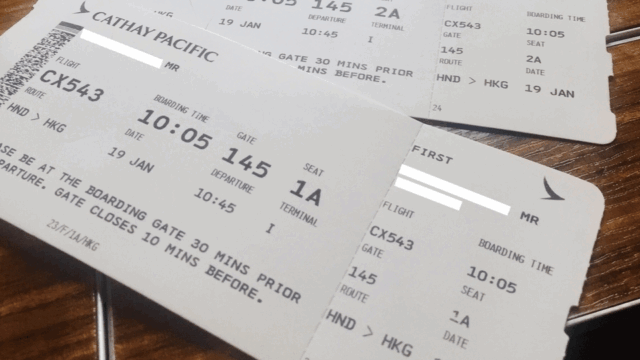
Let’s look more closely at Japan Flight Prices by Month. Even if you don’t care about exact numbers, understanding the general curve of the year will help you read any flight calendar more intelligently.
Typical yearly pattern
For many long-haul routes into Japan, you’ll often see a pattern like this when you check average fares month by month:
- January – February: Among the lowest average fares, except for the first few days of January.
- March – April: Strong price increases around cherry blossoms, especially late March to early April.
- May: Expensive during Golden Week, more reasonable in the second half.
- June: Often cheaper again, especially outside local holiday weekends.
- July – mid August: High prices for summer holidays and Obon travel.
- Late August – September: Mixed but often cheaper than July; typhoon season affects demand.
- October – November: Shoulder-level prices with some spikes during prime autumn foliage weeks.
- Early December: Often decent value in the first half, then a steep rise as Christmas and New Year approach.
This curve connects to behavior on both sides. Outside Japan, people travel a lot during their own school holidays, Christmas/New Year, and Easter-like breaks. Inside Japan, big spikes happen around New Year, Golden Week, and Obon. When these calendars overlap (for example, cherry blossoms plus Easter holidays), prices jump even more.
How to use monthly price patterns in real life
When you check fares, don’t just click “search” for one exact date. Instead, try this:
- Use a “whole month” or “flexible dates” view in your search tool.
- Look for the overall shape of the month: which weeks show the lowest average prices?
- Compare two or three different months side by side—for example, late February vs. early April vs. early June.
- Check both direct flights and one-stop routes if your journey is long-haul.
Sometimes you’ll find that your dream month (maybe April for cherry blossoms) is simply too expensive, but moving your trip to early June or late November suddenly makes the numbers feel comfortable. Other times, you might discover that prices in a shoulder month like October are acceptable if you book early enough.
A small tip from a local: when you look at “average” monthly prices, remember that long weekends and major events can still be expensive even in cheap months. If you see random red (high) prices floating inside a mostly green (low) month, zoom in and check if those dates overlap with a public holiday in your own country or in Japan.
cheapest months to fly to japan tips
Now that you know when prices usually dip, let’s make it practical. In this second part I’ll share tips that help you actually grab those good fares: how to balance the cheapest months to fly to japan with real-world weather, how prices can look different from the USA, UK, and Australia, and what you should keep in mind about airports, connecting routes, and booking timing.
The Cheapest Time to Visit and Weather

Even if a month is cheap on paper, it still has to feel good for you to travel. That’s where The Cheapest Time to Visit and Weather really matters. Japan stretches a long way north to south, so climate can vary a lot, but there are some reliable patterns that help you decide if a cheap month is actually “your” month.
Winter (January – February): cold, clear, and cozy
Winter is when many of the cheapest months to fly to Japan show up, especially after New Year’s week. In Tokyo and Osaka, winter days are often cold but sunny, with bright blue skies and dry air. Snow is rare in the big cities, but common in northern regions and mountains.
- Pros: Some of the lowest flight prices, fewer crowds at big sights, very cozy for hot springs and hearty winter food.
- Cons: You need proper warm clothes; some rural roads or mountain routes can be affected by snow and ice.
If you’re okay with packing layers, winter can feel surprisingly comfortable. Imagine soaking in an outdoor onsen while you see steam rise into the cold air—that mix of cold and hot is something many visitors end up loving.
Rainy season & early summer (early June): green and quiet
Japan’s early summer rainy season (tsuyu) usually hits in June. It’s not non-stop heavy rain every day—more like frequent showers, overcast skies, and higher humidity.
- Pros: Softer flight and hotel prices, gardens and countryside look very lush, hydrangeas and irises are beautiful.
- Cons: You’ll probably use a small umbrella or rain jacket most days; laundry takes longer to dry; humidity can be tiring for some people.
The nice part is that most visitors still prefer spring or autumn, so you often share temples, castles, and parks with fewer big tour groups. If you’re happy to travel at a slower pace and don’t mind changing your plan a bit when showers come, June can be a strong candidate.
Late summer & early autumn (September): hot but good value
September sits at the tail of the summer heat. It can be very humid, and this is also the heart of typhoon season, especially in coastal and southern regions.
- Pros: Often cheaper flights than July–August, thinner crowds at outdoor sites, slightly cooler towards late September.
- Cons: Typhoons can cause heavy rain and strong wind, which may delay or cancel flights and trains; heat and humidity can feel intense for people from cooler climates.
If you choose September, I really recommend travel insurance that covers delays and cancellations, and a flexible mindset about your daily itinerary. On the good days, you’ll enjoy quieter cities and a relaxed vibe at big sightseeing areas.
Late autumn & early winter (late November – early December): calm and comfortable
Late November and early December can be a beautiful balance. In many areas, the air turns cool and crisp but not brutally cold, and crowds slowly thin out after the peak autumn foliage weekends.
- Pros: Comfortable walking temperatures, a calmer feel in cities and tourist towns, chances of decent flight prices.
- Cons: Shorter daylight hours and colder evenings; some mountain and rural spots start feeling very wintery.
If you want both cheaper flights and comfortable weather, late November and early December are one of my favorite sweet spots. You might miss peak red leaves in some areas, but in exchange you get less crowd stress and more chances to find good deals.
To match your clothing and gear to these seasons, many readers also check my complete Japan packing list guide for beginners, where I walk through what to bring for each season so you don’t overpack or forget something important.
How to Find the Cheapest Months to Fly to Japan

Understanding the seasons is one thing; actually turning that knowledge into cheap tickets is another. In this section on How to Find the Cheapest Months to Fly to Japan, I’ll share a simple step-by-step approach that I personally use and recommend to friends.
Step 1: Choose your “budget-friendly” season first
Instead of starting with exact dates, start with a season. For example, tell yourself, “I want to go in deep winter (January–February)” or “I want early summer (June).” This instantly cuts out the peak months and keeps your search focused on periods where deals are more realistic.
Step 2: Use whole-month or calendar views
Most major booking tools now let you see a whole month at once. Use that instead of searching one exact day. Look at:
- Which weeks show the lowest prices within that month?
- How big is the difference between weekdays and weekends?
- Does shifting your trip by one week make a huge change?
You’ll often see patterns like “the second half of January is noticeably cheaper than the first half” or “Tuesdays and Wednesdays cost less than Fridays and Saturdays.” That gives you a clear direction when you start matching flights with your holiday allowance.
Step 3: Be flexible by a few days or airports
Even if your company or school schedule is strict, see if you can move your departure or return date by two or three days either way. Also, check if there are alternative airports near you. For example:
- In the US, compare your local airport with a major hub like LAX or SFO.
- In the UK, compare Heathrow and Gatwick with other airports, just in case a sale hits a specific one.
- In Australia, check Sydney, Melbourne, and Brisbane if you can position yourself easily.
Sometimes, taking a short domestic hop to a bigger hub and then flying to Japan saves money, even after including the extra ticket.
Step 4: Set price alerts and watch for a few weeks
Once you have a rough window (like “late January” or “early June”), set price alerts. This means:
- You don’t have to manually search every day.
- You’ll see how prices move—are they trending up, down, or staying flat?
- You can react when you see an especially good drop for your preferred dates.
In many cases, you’ll notice a pattern: prices may bounce up and down a bit, but when you see a fare that clearly sits below the usual range, it’s often a sign that it’s time to consider booking.
Step 5: Aim for a reasonable booking window
There’s no magical “best day of the week” to buy tickets, but for international flights to Japan, many travel experts and airlines themselves often suggest booking around 2–6 months before your trip. For off-peak seasons, you might catch good deals even closer, but I personally feel more relaxed when I have my ticket locked in at least a couple of months ahead.
“Waiting for the absolute rock-bottom price” can backfire. Once you see a fare that fits your budget, is with an airline you trust, and matches your dates reasonably well, it’s often better to book than to gamble and wait. Always double-check fare rules, baggage policies, and change or cancellation conditions before paying, and talk to a professional travel agent if you feel unsure about complicated routes or connections.
The Cheapest Month to Fly from the USA
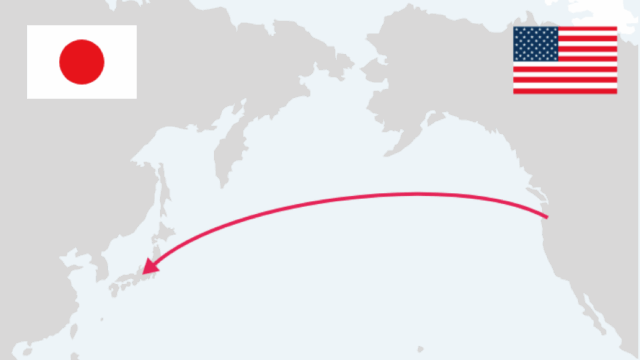
For travelers flying from the USA, The Cheapest Month to Fly from the USA usually aligns with global patterns—winter and some shoulder-season weeks—but there are a few US-specific details you really want to consider.
US holidays vs. Japan’s calendar
Even if Japan is quiet, prices from the US can spike around:
- Thanksgiving: Many Americans travel, mostly domestically, but international flights can feel the pressure too.
- Christmas & New Year: A very busy travel period both inside and outside the US.
- Spring Break: The exact weeks vary, but some routes to Asia get more expensive.
So a “quiet” time in Japan might still be pricey from your side if it overlaps with a big US holiday weekend. When in doubt, compare two or three different departure weeks in the same month to see where the price dips.
West Coast vs East Coast dynamics
From cities like Los Angeles, San Francisco, Seattle, and sometimes Vancouver (if you don’t mind crossing the border), you’ll usually see:
- More direct flight options to Tokyo and Osaka.
- More competition between airlines, which can help keep prices somewhat under control.
From East Coast cities like New York (JFK/EWR), Boston, or Washington D.C., you may have fewer direct options, so prices can feel higher or you might need to route through another US or Asian hub. One strategy is to compare:
- One-ticket itineraries from your nearest airport.
- Two separate tickets: one to a West Coast hub, another from there to Japan.
Just be careful with connection times and luggage rules if you do this, and consider travel insurance or a longer connection to protect yourself from delays.
Practical target months for US travelers
If you want to pick just a few US-friendly targets, I usually suggest:
- Late January – early February: After the US holiday season and Japan’s New Year rush, with overall lower demand.
- Early June: Before US summer vacations hit full power, and during Japan’s quieter rainy-season start.
- Early December: First half of December can sometimes be good if you avoid US Thanksgiving and pre-Christmas spikes.
These months won’t always be the absolute cheapest every single year, but they’re reliable starting points for most US-based travelers who are flexible and focused on value.
The Cheapest Month to Fly from the UK

For UK travelers, The Cheapest Month to Fly from the UK also tends to sit in winter and some shoulder weeks, but the rhythm of the UK school year and holidays makes a big difference in how prices behave.
Understanding UK school holiday pressure
Even if Japan is in a quieter period, UK prices often go up when families have time off. That includes:
- February half-term
- Easter holidays (March or April, depending on the year)
- Summer holidays (late July and August)
- Christmas and New Year
If your dates are flexible, try to avoid the very center of these holidays. Sometimes traveling a week before or after the peak school holiday dates makes a surprisingly big difference in fares.
London vs regional departure airports
Most flights to Japan from the UK still depart from London, especially Heathrow. However:
- Gatwick can sometimes have different promotions.
- Regional airports like Manchester occasionally see attractive one-stop routes via European or Middle Eastern hubs.
When you search, try setting your departure city to “UK” or checking multiple London airports, and see whether a one-stop flight from a regional airport is competitive. Sometimes convenience wins; other times, the price difference is big enough that it’s worth taking a train to a different city.
Good-value windows for UK–Japan trips
If you live in the UK and want a reasonable balance of weather and price, consider:
- Late January – early February: After the Christmas/New Year rush, Japan is calm, and the UK is out of its main holiday period.
- Early June: Before UK summer holidays and during Japan’s rainy-season period, which softens demand.
- Late November – early December: Cool but not extreme, and a nice pre-Christmas escape.
You still need warm clothing in winter, but if you’re already used to British winters, Japanese winter temperatures in major cities often feel manageable, especially with frequent hot drinks and indoor heating.
The Cheapest Month to Fly from Australia

For Australia, The Cheapest Month to Fly from Australia can look quite different from the US or UK, because your long school summer holidays sit exactly when Japan is busy with New Year and ski season.
Why December–January is tricky for Australians
From cities like Sydney, Melbourne, and Brisbane, many families want to use the long summer break to travel. At the same time, Japan is in the heart of:
- Year-end and New Year holidays (a very busy travel time for Japanese people).
- Peak ski season in Hokkaido, Nagano, and Niigata, which are hugely popular with Australian skiers and snowboarders.
This double demand means December and January flights from Australia to Japan can be some of the most expensive of the year. If you absolutely must travel then, you’ll want to book very early and accept that prices will likely be high.
Alternative months Australians should consider
If you have more flexibility and still want good snow, late February can be a smart compromise. Snow conditions are still good in many ski areas, but the biggest New Year and early-January rush has passed, so it’s often easier to find workable fares and accommodation.
For non-ski trips, also look at:
- March: Still late summer in Australia, early spring in Japan; if you avoid peak cherry blossom weeks, you may find decent deals.
- Early June: Start of rainy season in Japan, cooler than Australian winter, and often kinder on your budget.
- October: Pleasant temperatures in many parts of Japan, and outside the Australian long school holiday periods.
Using sales and low-cost carriers
From Australia, it’s especially important to keep an eye on airline sales and low-cost carriers. Some airlines run campaigns targeting shoulder seasons with attractive promos like:
- Discounts for travel during less popular months (for example, late May or early June).
- Bundle deals that combine flights and hotels in Tokyo or Osaka.
- Special fares for mid-week departures that dodge the weekend rush.
If you live in a smaller Australian city, sometimes taking a domestic flight to a major hub like Sydney or Melbourne, then catching a sale fare to Japan from there, works out cheaper overall. Just remember to leave a comfortable buffer between flights in case of delays.
Summary: Why the Cheapest Months to Fly to Japan Save You More
Let’s wrap everything up and see why choosing the cheapest months to fly to japan really stretches your budget and also changes the way you experience the country.
1. You save across your whole trip, not just flights
When you travel in low or shoulder seasons, airlines aren’t the only ones lowering prices. Hotels, guesthouses, and even some tours feel less pressure and often offer more reasonable rates. That means the money you save on flights can turn into:
- An extra night in a nicer ryokan with onsen.
- A food splurge, like a kaiseki dinner or high-quality sushi.
- A side trip to a less-touristy region that you might have skipped otherwise.
2. You get more breathing space at popular sights
In peak seasons, famous spots like Kyoto’s Fushimi Inari Shrine or Tokyo’s Asakusa can feel packed from morning to night. In cheaper months, you still won’t be completely alone, but the difference in noise and crowd density is real. You can take your time, enjoy the atmosphere, and snap photos without feeling rushed.
3. You see seasonal faces of Japan most tourists miss
Winter illuminations, quiet snow-covered streets in smaller towns, misty rainy-season gardens, and calm late-autumn evenings are all parts of Japan that many cherry blossom visitors never see. Traveling in off-peak or shoulder seasons gives you a more local, everyday view of the country instead of just the most famous postcard moments.
4. You keep flexibility and reduce stress
When fewer people are traveling, it’s usually easier to:
- Adjust your dates by a day or two without prices doubling.
- Change plans if a typhoon or snowstorm appears in the forecast.
- Book restaurants, museums, or special experiences closer to the date.
My personal favorite approach is simple: choose one of the cheapest months to fly to Japan—like late January, early June, or early December—stay flexible by a few days, and then use the savings on memorable experiences instead of squeezing your budget in peak season.
At the same time, there’s no one “perfect” answer that fits everyone. Your work calendar, school holidays, health, and weather preferences all matter. Think of everything in this guide as a local-style foundation. From here, you can open your favorite booking tool, compare a few cheap months side by side, and make a decision that feels good for both your wallet and your travel style.
Finally, remember that flight prices, entry rules, and local conditions can change. For the most accurate and up-to-date information, always check official airline websites, government and tourism pages, and, when you feel unsure about a complex or high-cost itinerary, consider discussing your plans with a qualified travel professional. If you combine that careful checking with the seasonal patterns we’ve looked at, I’m confident your trip to Japan will be both more affordable and a lot more relaxed.