15 Best Hakone Onsen Guide 2026
Hi, this is Yusuke from Discover Japan Hidden. Are you planning a trip to Japan and wondering about the best hakone onsen to visit? I totally understand that feeling—Hakone is famous for its hot springs, but with so many different areas like Hakone-Yumoto, Gora, and Lake Ashi, it can be really confusing to pick the right one. You might be worried about whether a day trip from Tokyo is enough time, or perhaps you’re stressed about finding a tattoo friendly onsen where you can actually relax without being turned away. Whether you want to use your Hakone Free Pass for a quick dip or splurge on a private bath at a luxury ryokan, I am here to help. In this guide, I’ll share my local secrets on how to navigate the transport, choose the perfect water quality for your skin, and avoid the tourist traps so you can have an unforgettable Japanese experience.
- Comprehensive ranking of the most relaxing hot springs across all price points
- Strategic travel tips for using the Romancecar and local buses efficiently
- Practical advice for travelers with tattoos and those seeking private bathing
- Essential logistics including up-to-date prices, addresses, and etiquette rules
The Best Hakone Onsen Guide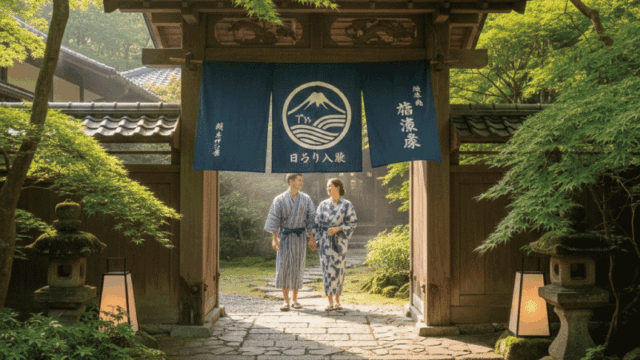
Hakone isn’t just one single spot; it is a collection of several unique hot spring towns scattered across a beautiful volcanic mountain. To truly enjoy your time here, you need to understand the geography and what each area offers for your specific needs.
Finding Best Hakone Onsen
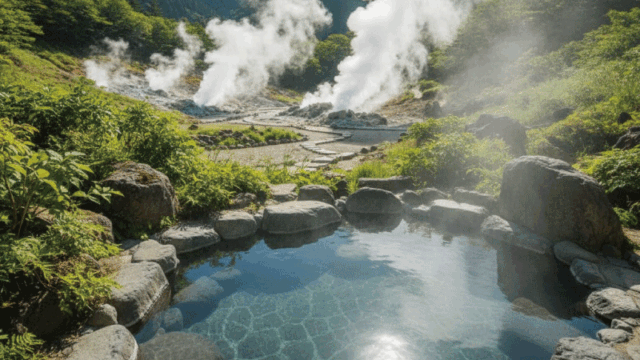
When you start finding best hakone onsen, you have to look at the “Hakone Seventeen Springs” (Hakone Nana-yu), which refers to the diverse types of volcanic water found here. If you are looking for convenience, Hakone-Yumoto is your best bet because it’s right at the train station. However, if you want that classic “mountain village” feel, I recommend heading up to Gora. The water in Gora is often a milky white or pale blue, which is famous for its beautifying effects on the skin. For those who want a view of the mountains and wide-open spaces, the Sengokuhara area is fantastic, especially in the autumn when the pampas grass turns gold.
I often tell my friends that the “best” onsen isn’t just about the water, it’s about the atmosphere. Do you want a traditional wooden building that smells like cedar, or a modern infinity pool overlooking a valley? In the higher altitudes like Owakudani, the water is very acidic and smells of sulfur—it’s great for circulation, but it can be strong! Down in the valleys, the water is much milder and clear, making it perfect for long, relaxing soaks. I suggest trying at least two different areas if you have the time to really feel the difference in the mineral compositions.
Recommended Areas by Traveler Type
| Area Name | Main Feature | Best For… |
|---|---|---|
| Hakone-Yumoto | Easy Access | Day-trippers & Families |
| Gora | Milky Water | Skin care & Couples |
| Lake Ashi | Fuji Views | Photography & Nature lovers |
| Sengokuhara | Pampas Grass | Luxury stay & Quiet retreats |
Perfect Tokyo Day Trip
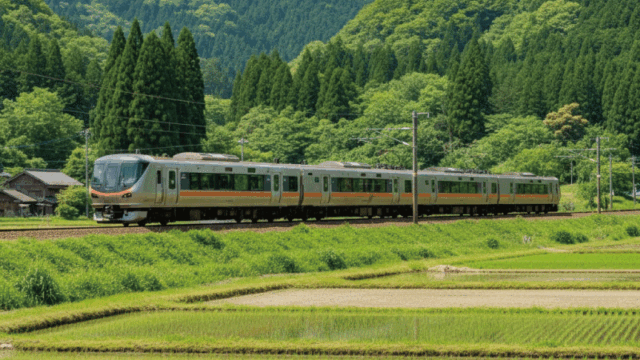
If you only have one day to spare, Hakone is the perfect Tokyo day trip because it is so well-connected. The journey starts at Shinjuku Station. I highly recommend taking the Odakyu Romancecar. It’s an all-seats-reserved limited express train that feels like a luxury flight. It takes about 80 to 90 minutes to reach the heart of the onsen district. I suggest catching a train before 9:00 AM so you can reach Hakone-Yumoto by 10:30 AM, giving you a full day to explore the “Hakone Loop” and still have time for a two-hour soak before heading back to the city for dinner.
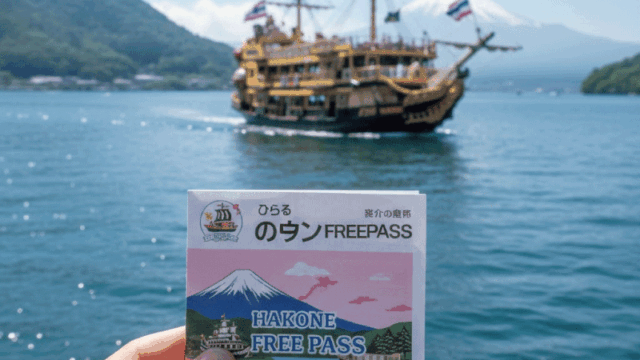
What makes this trip so “perfect” is the variety. You aren’t just sitting in a bath all day; you’re riding a pirate ship across Lake Ashi, taking a ropeway over active volcanic vents at Owakudani, and then finishing with a hot spring. Many people ask me if they should go to Hakone or Kawaguchiko. While Kawaguchiko has better Fuji views, Hakone has a much deeper “onsen culture” and better transport for tourists. If your goal is the hot spring experience combined with Japanese history, Hakone is the winner every time. Just make sure to check the weather; if the ropeway is closed due to high winds or volcanic gases, you’ll need to adjust your route using the local buses.
Pro Tip: If you are traveling on a weekend, book your Romancecar seats at least a week in advance via the Odakyu website. The “Observation Deck” seats are the most popular and offer a panoramic view of the tracks!
Using Hakone Free Pass
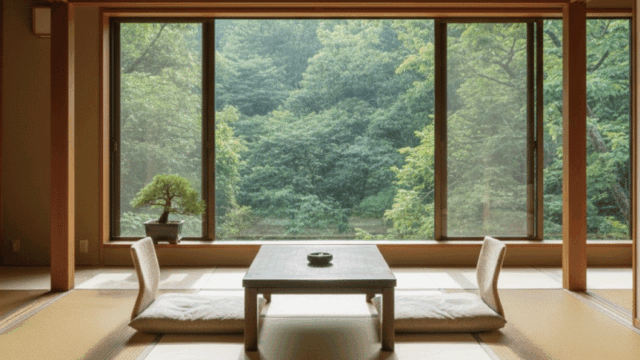
I can’t stress this enough: using Hakone Free Pass is the absolute best way to save money and reduce stress. This pass is a “golden ticket” that covers almost every mode of transport in the region: the Hakone Tozan Railway (the zig-zag mountain train), the Cable Car, the Ropeway, the sightseeing cruise (Pirate Ship), and all Odakyu-operated buses. Even if you aren’t doing the full loop, the pass pays for itself if you visit more than two major areas. Plus, it gives you small discounts at over 70 facilities, including many public onsens and museums like the Hakone Open-Air Museum.
The 2-day pass is usually the best value, even if you are only there for one day, because it covers your round-trip from Shinjuku (using the local express, though you pay a small extra fee for the Romancecar). When you arrive at Hakone-Yumoto, you just show your pass to the bus drivers or ticket gates—no need to fumble with coins or buy individual tickets. In a place where bus fares can be tricky to calculate, this is a lifesaver. You can purchase the digital version on your phone using the “EMot” app, which I find much more convenient than a paper ticket that you might lose in the bath! According to the official Odakyu Railway website (Reference: Odakyu Electric Railway ‘Hakone Free Pass’), the pass covers 8 different transport systems, making it the most comprehensive discount pass in the area.
Relax at Hakone Yuryo
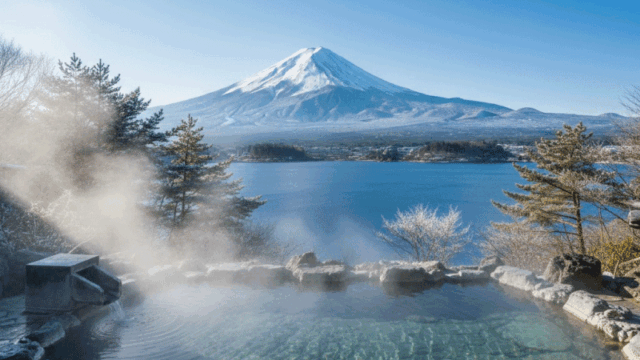
If you want a traditional, high-quality experience without the high price of a stay, you should definitely relax at Hakone Yuryo. This is a “day-use” facility, meaning it’s designed specifically for people who aren’t staying overnight. The architecture is beautiful—it looks like an old Japanese farmhouse tucked away in a lush forest. When you arrive at Hakone-Yumoto station, look for the small red shuttle bus; it’s free and takes you up the hill in about 3 minutes. The atmosphere here is very peaceful, and they even have a “Horo” (sauna) where they perform a traditional “Aufguss” ceremony with aromatic steam.
One of the best features of Hakone Yuryo is the Private Open-Air Baths. They have 19 different private rooms that you can rent by the hour. This is perfect if you are a couple who wants to soak together (since public baths are separated by gender) or if you have tattoos and want total privacy. After your soak, I highly recommend eating at their on-site restaurant, “Irori-ya,” where they grill fresh river fish and vegetables over an open charcoal hearth right in front of you. It’s one of the most authentic dining experiences you can find in the area for a reasonable price.
Facility Details: Hakone Yuryo
Address: 4-1 Tonosawa, Hakone, Ashigarashimo District, Kanagawa 250-0315
Access: Free shuttle bus from the roundabout at Hakone-Yumoto Station.
Note: Children in diapers are not allowed in the public baths for hygiene reasons.
Onsen with Mt Fuji View
Seeing the iconic mountain while you soak is a dream for many, but finding an onsen with Mt Fuji view requires some planning. Because of the mountains surrounding Hakone, Fuji is only visible from specific high-altitude spots or the western side of the lake. My top recommendation for this is Hotel Green Plaza Hakone. Their outdoor bath (Rotenburo) is famous among locals and tourists alike for its perfect framing of Mount Fuji. If the weather is clear, you can see the snow-capped peak while sitting in the steaming mineral water. It is truly one of the most “Japan” moments you will ever experience.
However, I have to be honest with you: Mount Fuji is a “shy” mountain. It is often covered by clouds, especially in the afternoon or during the humid summer months (June to August). For the best chance of a clear view, try to go in the winter (December to February) and aim for an early morning soak. Another great spot is the Motohakone area near Lake Ashi. While fewer public onsens there have direct views from the tub, many luxury ryokans in the area offer private balconies where Fuji is visible. Just remember to manage your expectations—if you see even a little bit of the mountain, consider yourself very lucky!
Day Use Onsen Guide
This day use onsen guide wouldn’t be complete without mentioning the “Hidden Gems” that locals love. If you want something more adventurous than a hotel bath, try Tenzan Tohigyo. This place feels like a secret mountain hideout. It features several outdoor stone pools with different temperatures and mineral levels. It’s a bit further from the station (take the “K” line bus from Yumoto), but the atmosphere is unbeatable. It’s surrounded by bamboo forests and a rushing river, making it the perfect place to disconnect from the modern world. They even have a “reading room” with tatami mats where you can take a nap after your bath.
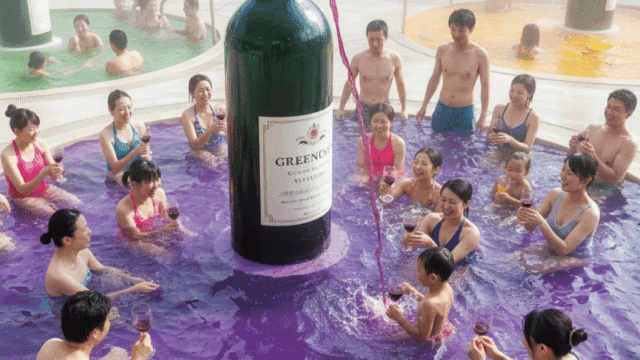
For families with kids, Hakone Kowakien Yunessun is a must-visit. It’s an “onsen theme park” where you wear swimsuits. They have quirky baths like the “Wine Bath,” “Coffee Bath,” and even a “Ramen Noodle Bath” (yes, really!). It’s great if you are nervous about being naked in front of others or if you want to play in the water with your children. They also have a traditional naked area called “Mori no Yu” which is much quieter and offers beautiful forest views. Most day-use spots open around 10:00 AM and close by 8:00 PM, so keep an eye on the clock so you don’t miss the last bus back to the station!
Check the “Maintenance Days” before you go! Some local baths close on specific Tuesdays or Wednesdays for deep cleaning. Most official websites have a calendar, so double-check to avoid a long bus trip to a closed door.
Best Hakone Onsen Tips
To make the most of your trip, you need to know the “unspoken rules” and some clever ways to handle common traveler issues like tattoos or high costs.
Private Bath Ryokans
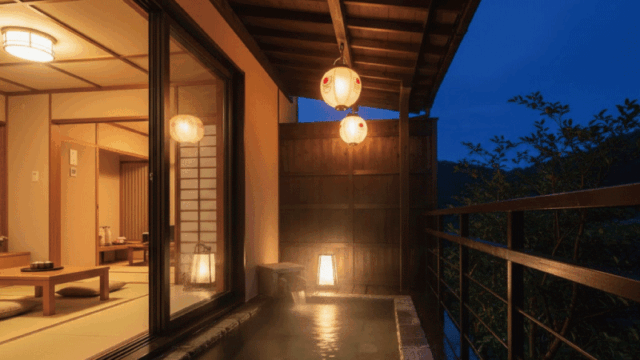
For couples, families, or those who value their personal space, private bath ryokans are the ultimate luxury. In Japanese, these are called Kashikiri-buro (reservable baths). Many ryokans allow you to book these for 45 to 60 minutes for a small fee (around 2,000 to 3,000 yen), or sometimes they are even free for staying guests. If you really want to splurge, you can book a “Room with a Private Open-Air Bath.” This means you have your own personal hot spring tub on your balcony, available 24 hours a day. It is incredibly romantic to soak under the stars with a view of the forest.
Places like Hakone Ginyu (very popular, book months in advance!) or Aura Tachibana offer amazing private facilities. If you aren’t staying overnight, look for “Day-use Packages” (Higaeri Onsen Plan). These often include a private room for 3-6 hours, a traditional Kaiseki lunch, and access to the hot springs. It’s a great way to experience a 5-star ryokan without the 50,000 yen-per-night price tag. I always recommend this for honeymooners—it’s much more intimate than the public baths, and you don’t have to worry about being separated from your partner.
Tattoo Friendly Spaces
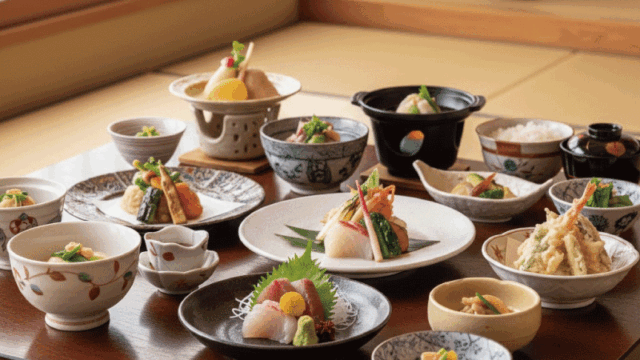
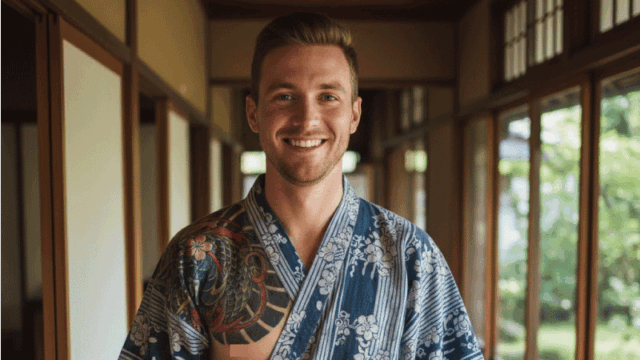
I know many of you are worried about your ink, but finding tattoo friendly spaces in Hakone is getting easier. Traditionally, tattoos were associated with the Yakuza (organized crime), but Japan is slowly becoming more open to international tourists. As I mentioned before, Tenzan Tohigyo is one of the most famous spots that allows individuals with tattoos. If your tattoo is small (about the size of your hand), you can often cover it with a tattoo cover sticker or waterproof medical tape. Most pharmacies and “Don Quijote” stores sell these specifically for onsen use.
If you have large tattoos or full sleeves, your best strategy is to stick to Private Baths (Kashikiri) or Rooms with Private Onsens. In a private bath, the rules don’t apply because you aren’t in a communal space. Also, the “theme park” side of Yunessun allows tattoos if you wear a rash guard (swim shirt) over them. If you are ever unsure, it’s polite to show a photo of your tattoo to the staff at the front desk and ask “Tattoo OK?” Most staff in Hakone are used to foreigners and will give you a clear “Yes” or “No” right away. According to the Japan Tourism Agency (Reference: Ministry of Land, Infrastructure, Transport and Tourism), there is an ongoing effort to encourage facilities to be more accommodating to tattooed tourists for the sake of hospitality.
Safe Choices for Tattooed Travelers
Tenzan Tohigyo (Individual tattoos generally allowed)
Hakone Yuryo (In their Private Rooms only)
Yunessun (In the swimsuit area with a cover-up)
Any Ryokan with a “Private Bath” option.
Top Luxury Ryokan Picks
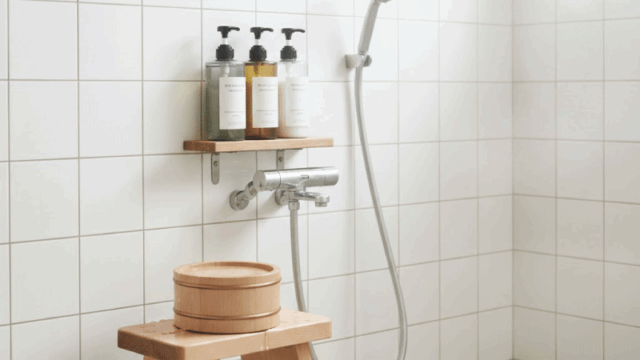
When people ask me for top luxury ryokan picks, my mind immediately goes to Gora Kadan. It is located on the grounds of a former Imperial summer villa, and the service is some of the best in the world. From the moment you arrive, you are treated like royalty. You’ll be served seasonal Kaiseki (traditional multi-course dinner) in your room, and the architecture is a stunning mix of old-world Japan and modern minimalism. It’s expensive, but if you want the “Once in a Lifetime” Japanese experience, this is it.
Another favorite of mine is Hakone Kowakien Ten-yu. Every single room here has its own private ceramic open-air bath on the balcony. The “Infinity Onsen” in the communal area makes it feel like you are floating in the clouds. If you prefer a more boutique, quiet atmosphere, check out Kanaya Resort Hakone. It’s tucked away in the forest and feels very exclusive and modern. When booking luxury spots, always check if they include dinner and breakfast—often the food is half the reason people visit, and skipping it would be a huge mistake!
Essential Etiquette Tips
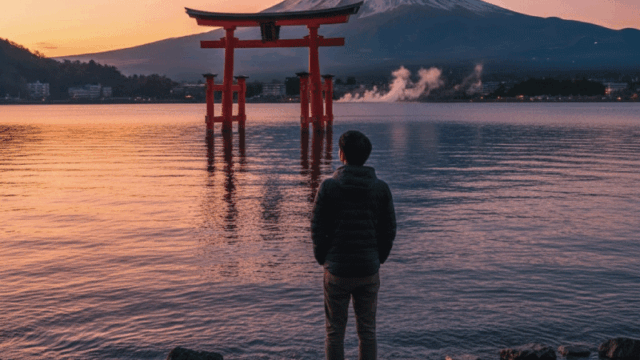
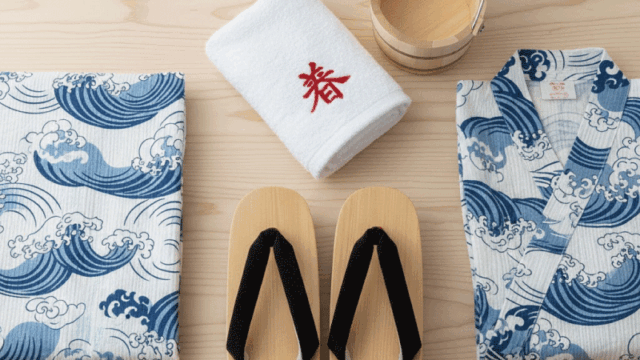
Understanding essential etiquette tips will keep you from feeling embarrassed and ensure everyone has a good time. The most important rule: Wash your body before you get in the tub. Every onsen has a shower area with stools and buckets. Sit down, scrub yourself clean, and rinse off all soap before stepping into the communal water. Also, remember that your large towel stays in the locker room; you only bring a small “modesty towel” into the bathing area. This small towel should never touch the bathwater—most people fold it and put it on their head!
Another thing: No swimming and no splashing. The onsen is a place for quiet relaxation, almost like a library or a church. Keep your voice low and avoid staring at others—everyone is there to relax, and it’s surprisingly easy to get used to the nudity once you realize no one is paying attention to you. Finally, make sure to dry yourself off as much as possible with your small towel before walking back into the changing room to keep the floors dry. It’s these small details that show you respect the local culture, and the staff and other guests will truly appreciate it.
Do not drink alcohol before entering the onsen. The hot water increases your blood circulation, which can make the effects of alcohol much stronger and lead to fainting or accidents. Save the beer for after your soak!
Best Hakone Onsen Recap
To finish this best hakone onsen recap, let’s summarize the strategy. If you are a first-timer on a budget, get the 2-day Hakone Free Pass, take the Romancecar to Hakone-Yumoto, and spend your afternoon at Hakone Yuryo or Tenzan. If you are a couple looking for romance, save up for a night in Gora at a ryokan with a private balcony bath. And if you are worried about tattoos, don’t let it stop you—just book a private room and enjoy the volcanic waters in peace.
Hakone is one of those places that stays in your heart long after you leave. There is something truly magical about the smell of the sulfur, the sound of the wind in the cedar trees, and the feeling of the hot mineral water on your tired muscles after a day of sightseeing. I hope this guide helps you feel like a pro when you arrive. If you have any more questions about your trip, I’ve written another detailed post about Mastering Onsen Etiquette for Beginners that you might find useful. Have an amazing soak and enjoy the beauty of Hakone!