Hi, this is Yusuke from Discover Japan Hidden.
If you are searching japan packing list, you are probably trying to figure out what to actually put in your suitcase for Japan, not just a random generic checklist. Maybe you have seen a lot of what to pack for Japan articles, Japan travel essentials summaries, Japan packing checklist templates, or titles like first time Japan packing list, and still felt, “So… what do I actually need for my trip?”
When you start comparing seasonal packing suggestions, you might notice that Japan travel packing list summer, winter, spring, and autumn recommendations often feel inconsistent. You may find yourself wondering whether you can travel with a carry-on only Japan packing list, or feeling both inspired and uncertain about the idea of packing light Japan. On top of that, Japan travel clothing tips, packing for Japan trip strategies, how to use luggage forwarding Japan services, whether you truly need a travel adapter Japan, how far you need to prepare using a Japan journey checklist, whether to get a Suica card Japan or JR Pass Japan, and how much you can rely on Japan’s konbini convenience stores—all of these questions may come rushing at you at once.
I live in Japan and often guide overseas visitors who are coming for the first time, and honestly, everyone tends to get stuck on the same points. In this article, I’ll clearly show you—based on a local’s perspective—what you should definitely bring from home and what you’re better off buying in Japan, so we can build your japan packing list together from start to finish. By the time you reach the end, you’ll have a clear picture of what to pack for your itinerary and season, and you’ll be able to land at the airport feeling surprisingly light and ready to explore.
- You’ll understand what items are truly essential and how to prioritize them for Japan travel
- You’ll be able to create your own seasonal and style-specific japan packing list
- You’ll reduce confusion about SIM cards, pocket Wi-Fi, and adapters
- You’ll get a clear idea of how to avoid overpacking and how to make smart use of local shopping and luggage forwarding
- Complete Japan Packing List Guide for Beginners
- Practical Ways to Use Your Japan Packing List
- Preparing with the Seasonal Japan Travel Packing List for Summer, Winter, Spring, and Autumn
- Practical Tips for Using Your Japan Packing List Effectively
- How to Build a Carry-On Only Japan Packing List
- Ideas from Packing Light for Japan: Smart Space-Saving Tips
- Organizing with Japan Travel Clothing Tips and Outfit Planning
- Final Japan Packing List Summary and Checkpoints for a Complete Japan Packing List
Complete Japan Packing List Guide for Beginners
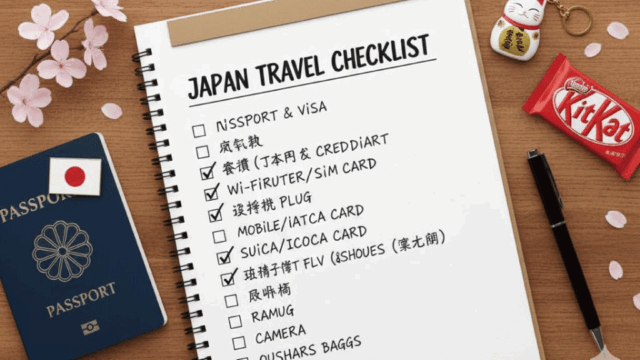
In this first part, I’ll walk you through the big picture of a japan packing list for first-time travelers: what categories you should think about, which items are non-negotiable, and where you can relax and rely on Japan’s convenience instead. Think of it as a map before we dive into detailed packing examples.
Key Points from Japan Packing List Guide for First-Time Travelers
When I help friends plan their first trip, I always start with a few core ideas instead of jumping straight into a 100-item checklist. A good Japan packing list for first-time travelers should balance three things: documents and money, comfort for long walking days, and simple connectivity and navigation.
On the documents side, your passport, flight details, accommodation info, and basic insurance documents are the true essentials. Many people also bring printed copies or offline files of important bookings in case their phone battery dies. For money, a mix of cash and cards works best in Japan: major cities are very card friendly now, but small local restaurants, shrines, and rural shops still prefer cash. I usually suggest having enough yen for a few days of food and local transport, then topping up from ATMs as needed.
Comfort-wise, remember that Japan travel usually means a lot of walking, stairs, and train transfers. Comfortable shoes, breathable clothing layers, and a small daypack make more difference than fancy gadgets. Finally, for connectivity, decide early whether you will use a local SIM/eSIM, a pocket Wi-Fi, or just roaming. That single decision shapes how easily you can use maps, translation, and train apps from day one.
Main idea: a smart japan packing list keeps you legal, comfortable, and online, without overpacking things you can easily buy in Japan.
Summary of Key Points for What to Pack for Japan
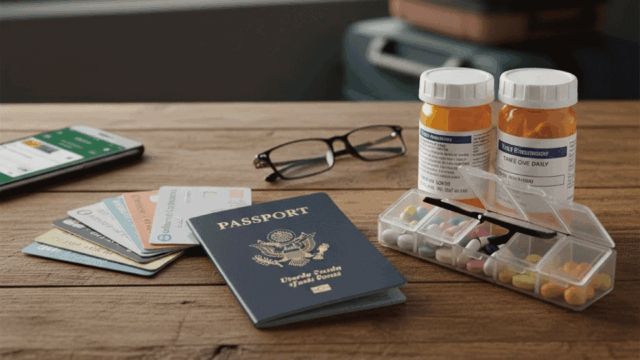
Let’s organize the “what to pack for Japan” question into simple layers so you don’t get lost in micro-details. The first layer is non-replaceable things: documents, prescription medication, glasses or contact lenses, and anything that is very specific to you (for example, allergy cards in Japanese or certain medical devices). These are items you must pack in your carry-on, not in checked luggage.
The second layer is high-value comfort: good walking shoes, season-appropriate outerwear, a power bank, and a travel adapter that works with Japan’s Type A outlets. You technically could buy replacements in Japan, but it’s usually more expensive or time-consuming, so I recommend packing these from home.
The third layer is “optional / easy to buy” items: extra T-shirts, umbrellas, snacks, basic toiletries. Japan’s konbini and drugstores are extremely well stocked, so you can buy things like umbrellas, tissues, lip balm, hand cream, and even heat packs on the spot. Instead of packing heavy “just in case” items, you can rely on these stores for most everyday needs.
| Category | Pack from home | Buy in Japan |
|---|---|---|
| Documents & meds | Passport, visa, prescriptions | Rarely possible |
| Comfort items | Shoes, adapter, power bank | Possible but less convenient |
| Everyday goods | Only favorites | Konbini & drugstores |
Details about baggage rules, customs limits, and medication import restrictions can change, so treat this structure as a general guide, not a strict rule book. For any sensitive or legal issues, always double-check the latest information on official government and airline websites, and if you are unsure, the final decision should be made in consultation with a qualified professional.
Introduction to Must-Have Japan Travel Essentials
Now let’s zoom in on the “must-have Japan travel essentials” that I see most first-time visitors thanking themselves for later. Start with your passport and at least one photocopy or digital scan stored securely online. Add your travel insurance certificate or policy number, emergency contact information, and a list of important phone numbers (bank, airline, embassy) written down on paper as a backup.
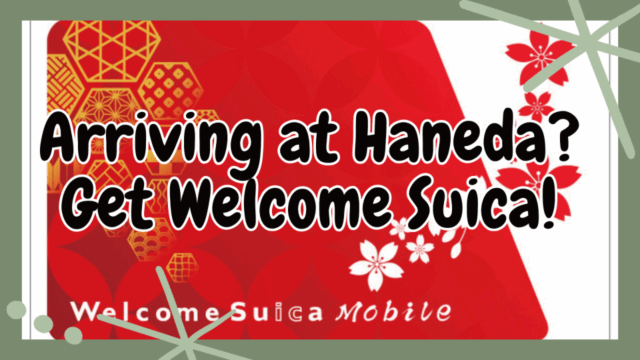
For transport, think about how you will move around: local IC cards like Suica and PASMO, and long-distance passes like a JR Pass Japan route, can simplify things a lot. If your itinerary starts at Haneda Airport, a dedicated IC card guide such as the Welcome Suica Haneda Airport guide will give you a step-by-step picture of how to buy and use a card right after landing.
On the tech side, I recommend a compact power bank, reliable charging cables, and a universal travel adapter that is compatible with Japan. Many hotel rooms have limited outlets, and trains often don’t have power sockets, so being able to recharge your phone on the go is very helpful. Finally, a small first-aid kit with pain relievers, plasters, and any personal medicine gives you peace of mind, especially if you are not familiar with Japanese pharmacy brands.
Medication import rules and allowed quantities can vary by country and by drug type. Always confirm the latest rules on official government or embassy websites, and if you have serious medical conditions, the final decision about what to bring should be made together with your doctor or another qualified professional.
Check Items in Japan Packing Checklist for All Travelers

To make your life easier, I like to group a Japan packing checklist for all travelers into a few simple blocks that you can tick off before departure. You can copy this structure into your notes app and adapt it to your own trip.
Documents & money
Passport, visa (if required), printed or offline copies of bookings, travel insurance details, and a simple Japan journey checklist of your must-see spots. For money, plan a mix of cash, credit/debit cards, and maybe a backup card stored separately. Japan is increasingly cashless, but small shops, local buses, and countryside inns still prefer cash.
Electronics & connectivity
Phone, charger, power bank, and a travel adapter Japanでそのまま使えるもの。Decide whether you will use roaming, a local SIM/eSIM, or a pocket Wi-Fi. If you want a deeper comparison of options, including real-world coverage and battery tips, you can check the Pocket WiFi Japan Wireless guide for travelers.
Clothing & shoes
Comfortable walking shoes, season-appropriate outerwear, and breathable tops and bottoms that you can mix and match. Japan travel clothing tips almost always come down to the same thing: layers, layers, layers. Trains, cafés, and shopping malls sometimes blast the air-conditioning or heating, so flexible layering is more important than bringing very heavy single pieces.
Toiletries & health
Toothbrush, toothpaste, deodorant, skincare, basic makeup, and any special items you really prefer from home. Many hotels provide shampoo, conditioner, and basic amenities, and konbini or drugstores fill in almost everything else. Japanese convenience stores and drugstores also carry many unique items, and browsing through them can be fun in itself—be sure to check them out while you’re there!
Tip: keep all essentials (documents, money, medications, electronics) in your carry-on, not your checked luggage. If your suitcase is delayed, you still have what you need to function in Japan.
Overview of First-Time Japan Packing List Basics

For a first-time Japan packing list, the biggest mindset shift is understanding how much you can trust Japan’s infrastructure and convenience. You don’t need to bring supermarket-sized bottles of shampoo, towels, or big stacks of tissues. Hotels and public baths (onsen, sento) often provide what you need, and konbini are practically everywhere.
Instead, focus on packing light and flexible: clothing you can wash and rewear, shoes that are broken in already, and a compact daypack instead of multiple handbags. If your itinerary includes several cities, luggage forwarding Japan services can move your big suitcase from hotel to hotel, while you travel with just a small bag. This is especially useful on busy Shinkansen days or when traveling with kids.
If you want to match your packing plan with cheaper or quieter travel seasons, a local-style overview like the Cheapest Time to Travel to Japan guide can help you understand how weather, crowds, and costs change through the year, which also affects what you should put in your suitcase.
Airline baggage rules, JR Pass conditions, and hotel amenity standards can change without much notice. Always treat packing advice as a general starting point, double-check critical details on official websites before you fly, and when in doubt about legal or safety issues, the final decision should be made in consultation with the relevant specialists or authorities.
Practical Ways to Use Your Japan Packing List
- Preparing with the Seasonal Japan Travel Packing List for Summer, Winter, Spring, and Autumn
- Practical Tips for Using Your Japan Packing List Effectively
- How to Build a Carry-On Only Japan Packing List
- Ideas from Packing Light for Japan: Smart Space-Saving Tips
- Organizing with Japan Travel Clothing Tips and Outfit Planning
- Final Japan Packing List Summary and Checkpoints for a Complete Japan Packing List
In the second half of this guide, I’ll show you how to turn your japan packing list into a living tool: adapting it to each season, using it to go carry-on only, and keeping your suitcase under control while still feeling prepared for everyday life in Japan.
Preparing with the Seasonal Japan Travel Packing List for Summer, Winter, Spring, and Autumn
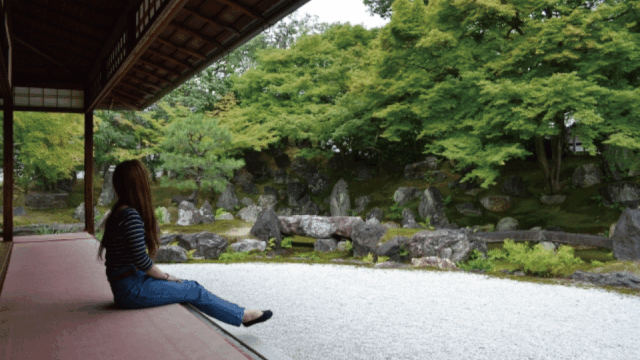
Seasons change a lot in Japan, so a seasonal Japan travel packing list for summer, winter, spring, and autumn is much more realistic than a one-size-fits-all approach. Let’s break it down briefly.
Spring & autumn
Spring (especially March–April) and autumn (October–November) can swing between warm afternoons and chilly mornings or evenings. A lightweight down jacket or packable coat, long-sleeve layers, and a compact umbrella are your best friends. I also recommend a light scarf or shawl, which works both as warmth and as a way to be respectful in more formal or religious spaces.
Summer
Japanese summers, especially in cities like Tokyo and Osaka, are hot and humid. Think breathable fabrics, quick-dry shirts, and shorts or light trousers. You will sweat, so pack enough tops or plan to do laundry. A small towel or handkerchief is very useful, as some public toilets don’t have paper towels or hand dryers. Don’t forget strong sunscreen and maybe a small portable fan if you are sensitive to heat.
Winter
Winter can be quite cold, especially if you visit northern regions or do day trips to the mountains. A warm coat, thermal tops and leggings, gloves, and a hat are essential. In cities, many people wear layers with a relatively thin but warm coat rather than huge bulky jackets, which also makes packing easier. If you plan to ski or snowboard, consider renting some gear on-site instead of flying with everything.
Weather patterns and temperatures can vary from year to year. Always check a reliable weather forecast and seasonal overview shortly before your departure, and treat any packing example as a flexible template rather than a guarantee.
Practical Tips for Using Your Japan Packing List Effectively
Once you have your japan packing list written down, the way you use it matters as much as what’s on it. I recommend organizing your list by day-to-day reality instead of by item type only. For example, create mini-checklists like “flight day”, “city walking day”, and “onsen day”. This makes it much easier to see what you’ll actually reach for.
Before your trip, do a test pack: put everything into your suitcase and daypack, then walk around your home or block for ten minutes. If it already feels heavy or annoying, it will feel worse on crowded trains. Use that as a sign to remove some items. Your goal is not a minimalistic Instagram challenge, but a realistic, comfortable setup for you.
Local tip: keep your japan packing list in a note app that syncs across devices. You can mark what you used and what you never touched during this trip, then refine the list for your next visit.
How to Build a Carry-On Only Japan Packing List

If you are aiming for a carry-on only Japan packing list, planning is everything. First, check your airline’s size and weight rules for cabin luggage and personal items. These rules differ a lot, and they can change, so always confirm on the official airline website before you commit.
Start with your non-negotiables and place them in your bag: documents, electronics, medications, and at least one full change of clothes. Then add versatile clothing items that can be washed and re-worn, focusing on neutral colors so you can mix and match. Packing cubes help you compress soft items and keep them organized. One cube for tops, one for bottoms, one for underwear and socks is usually enough.
Finally, use your personal item (like a backpack) as your “day one survival kit”: put your passport, wallet, phone, a small toiletry pouch, and a light jacket or scarf inside. If your main carry-on is checked at the gate for any reason, you still have everything you need for the first 24 hours.
Airline weight limits and banned items lists (for example, on batteries or liquids) are safety regulations, not suggestions. The examples in this article are general patterns; always follow your airline’s official rules and airport security guidelines, and if you have questions about what is allowed, the final judgment should come from the airline or airport authority staff.
Ideas from Packing Light for Japan: Smart Space-Saving Tips
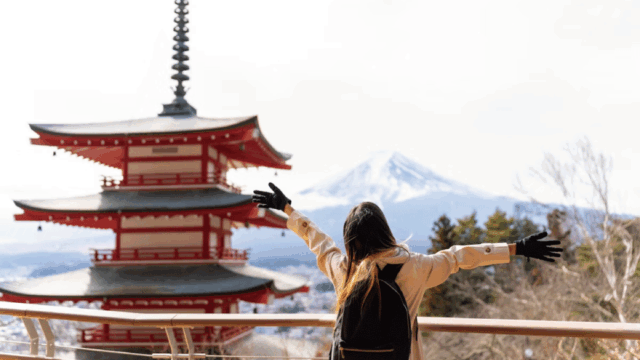
Packing light for Japan is less about suffering with almost no belongings and more about choosing multi-purpose items. A lightweight down jacket that packs into its own pouch, a scarf that works as both warmth and a blanket on the Shinkansen, or sneakers that look okay with slightly nicer outfits all reduce how many separate pieces you need.
Think also about what you can share among your group: maybe one universal travel adapter that works in Japan that everyone can use, one power strip, or one compact hair iron instead of several. Use solid toiletries (like bar shampoo) if you’re comfortable with them to avoid liquid restrictions, or simply rely on hotel amenities for short stays.
Japan has coin laundries and hotel laundry services almost everywhere traveler-friendly. Doing one or two loads during a 10–14 day trip can massively cut your packing volume, and the overall cost is usually modest compared to airline excess baggage fees.
Organizing with Japan Travel Clothing Tips and Outfit Planning
Good Japan travel clothing tips focus on outfits, not individual pieces. I often suggest building a simple capsule wardrobe for your trip: choose a base color (like navy, black, or beige), then pick tops and bottoms that all work together with that base. This way, even with a small number of garments, you can rotate outfits without looking like you are wearing the exact same thing every day.
For city trips, comfortable sneakers and one slightly nicer pair of shoes (if you plan fine-dining or formal events) usually cover everything. Remember that you often need to remove your shoes in traditional restaurants, temples, and some hotels, so slip-on or easy-to-untie designs make life easier.
Use packing cubes or simple cloth bags to separate “clean” and “worn” clothes, and keep a small laundry bag for socks and underwear. This keeps your suitcase feeling tidy instead of chaotic, which makes it easier to see what you actually have left to wear.
Small but important tip: pack at least one outfit that makes you feel confident in photos. You will look back at your Japan memories for years, so it’s worth a little suitcase space.
Final Japan Packing List Summary and Checkpoints for a Complete Japan Packing List
Let’s wrap up with a quick recap so you can turn all of this into your own complete japan packing list. Start by listing your essentials: documents, money, medications, and electronics. Then add comfort items for your specific season and itinerary, using the seasonal Japan travel packing list ideas above as a flexible template. Finally, cross-check what you can safely buy or rent in Japan so you don’t overpack.
Before you close your suitcase, go through a last set of checkpoints: Can you carry everything comfortably up and down stairs? Do you know how you will handle internet access (SIM, eSIM, or pocket Wi-Fi)? Have you planned some space in your luggage for souvenirs? And most importantly, do you feel prepared but not weighed down?
All the advice in this guide is meant as a practical starting point from a local’s perspective, not strict rules. Costs, regulations, and service details can change, so always confirm critical information on official websites, and when you face medical, legal, or financial questions, the final decision should be made together with a qualified professional. If you treat your japan packing list as a living tool and adjust it a little each day of your trip, it will quickly become your own personal template for every future visit to Japan.