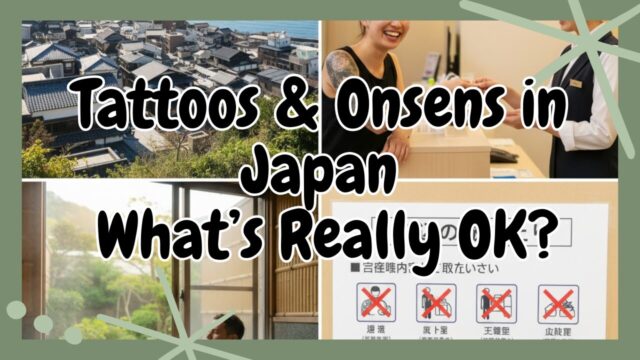
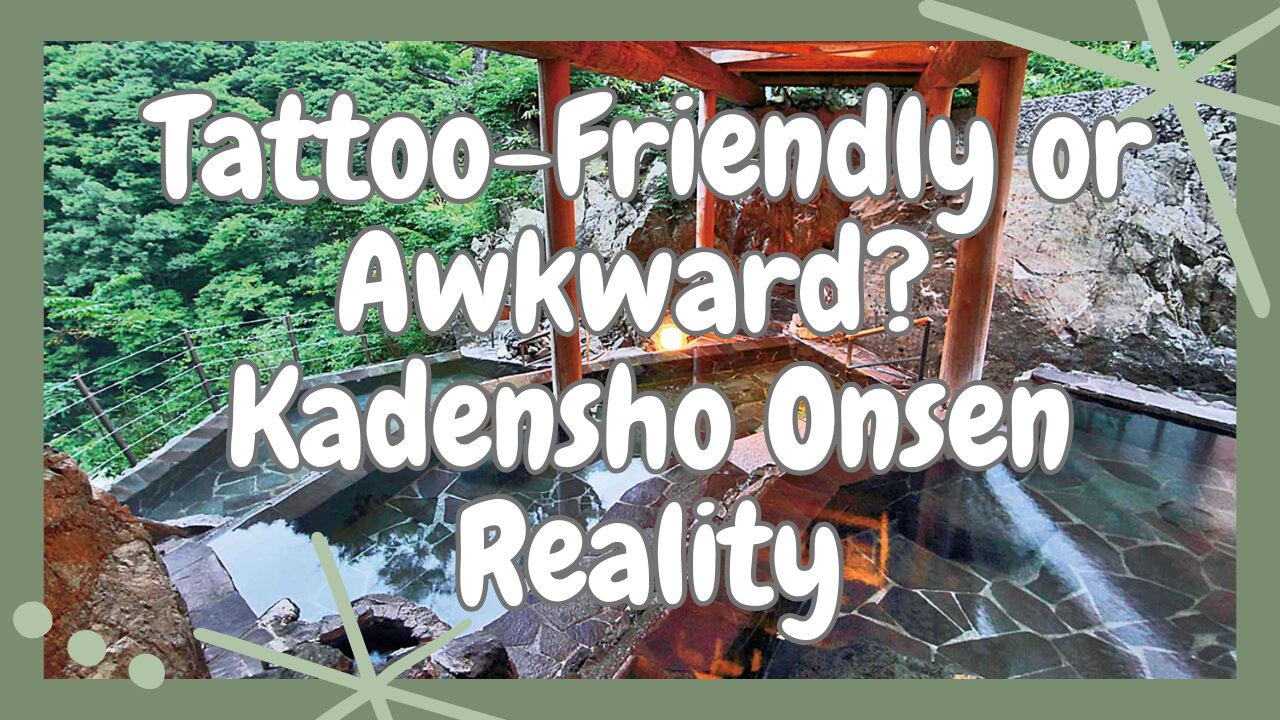
kyoto arashiyama onsen kadensho: tattoo comfort guide
Hi, this is Yusuke from Discover Japan Hidden.
If you’re searching kyoto arashiyama onsen kadensho, I’m guessing you’re not just looking for photos or room specs. You’re probably asking yourself something like, “Will this be relaxing for me, or am I going to feel awkward the whole time?” If you have tattoos, that question gets even heavier, right.
Many travelers check Kadensho reviews, private baths, dinner plans, access from Kyoto Station, or whether foreigners are welcome. All of that matters. But for tattooed travelers, the biggest anxiety is usually unspoken. It’s not about rules on paper. It’s about atmosphere. Will anyone stare? Will staff suddenly stop you? Will you feel like you’re breaking some invisible rule?
This article is written so you can decide calmly. Not just “allowed or not,” but whether you can actually enjoy kyoto arashiyama onsen kadensho without stress.
- How to judge tattoo rules by comfort, not just policy
- Whether private baths really remove awkward moments
- What to expect as a foreigner in shared spaces
- Who this onsen is a good fit for, and who should skip it
kyoto arashiyama onsen kadensho tattoo concerns
This is the section most people care about first. I’ll walk you through tattoo-related worries step by step, based on how onsen culture actually works in Japan, not just how it’s described online.
kyoto arashiyama onsen kadensho is it foreigner friendly
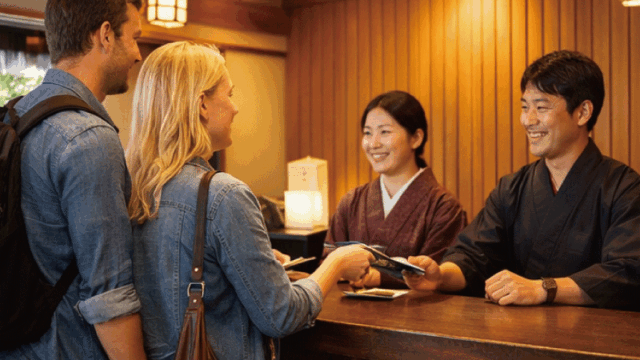
Let’s start with the overall atmosphere. Arashiyama is one of Kyoto’s most visited areas, and facilities around here are generally used to overseas guests. That already lowers the barrier compared to a local neighborhood bath where everyone knows each other.
That said, being “foreigner friendly” doesn’t automatically mean “tattoo relaxed.” In Japan, these are two separate layers. Staff may speak English and welcome international guests, while still expecting traditional behavior in bathing spaces.
What I look for as a Japan-based guide is not just language ability, but how systems are designed. Are there clear signs? Are rules explained calmly? Are there alternatives offered, like private baths, instead of a flat no?
Comfort check: Places that expect foreign guests usually design their onsen flow to reduce confusion. That alone lowers the chance of awkward interactions.
From a cultural perspective, tattoos are still associated with organized crime in Japan, even though attitudes are slowly changing. This background is officially acknowledged by Japanese tourism authorities as an ongoing cultural difference visitors should be aware of. You can see this explained in general terms by the Japan National Tourism Organization: JNTO Onsen Etiquette Guide(source: Japan National Tourism Organization official guidance).
The key takeaway is this: kyoto arashiyama onsen kadensho is not an intimidating place for foreigners, but your personal comfort will still depend on how you use the baths.
tattoo can you use the onsen
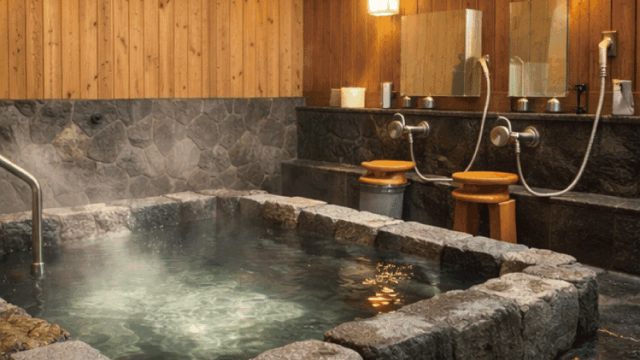
This is where many travelers get confused. You might see “tattoo-friendly” mentioned in reviews, but that phrase hides very different realities.
I always explain tattoo rules using four clear categories, because mixing them up causes most bad experiences:
- Fully OK: tattoos allowed in shared baths without conditions
- Small tattoos only: discreet designs may be tolerated
- Cover required: tattoo cover stickers must be used
- Private bath only: shared baths are effectively off-limits
The important thing is that these categories feel very different emotionally. Being “technically allowed” but feeling watched is not relaxing. For first-time onsen users, that pressure can ruin the experience.
In many ryokan-style facilities, staff will not publicly confront you unless there is a clear violation. That means you might not be stopped, but you could still feel out of place. That’s why I always tell tattooed travelers: focus on where you’ll feel calm, not where you might barely pass.
Please note: Tattoo policies can change, and enforcement may differ by time, staff, or crowd level. Always check the official site or contact the property directly before your visit.
private baths can you use them without reservation
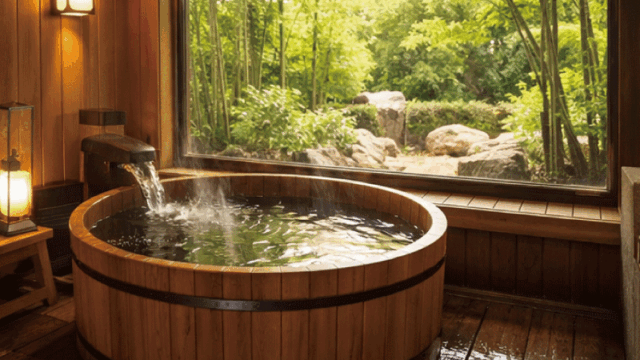
Private baths are often the safest and most comfortable option for tattooed travelers in Japan. They remove the social layer completely. No staring, no guessing, no stress.
However, private baths are not all the same. Some require advance booking, others work on a first-come basis. The experience depends heavily on timing.
If private baths are first-come, peak hours matter. Right after dinner is usually the busiest, especially in popular tourist areas like Arashiyama.
Low-stress tip: Late evening or early morning is usually the calmest time to use private baths.
If your tattoo is large, very visible, or meaningful to you, private baths are not just a convenience. They’re peace of mind. I recommend treating them as a core part of your stay plan, not a bonus feature.
onsen etiquette will you feel awkward
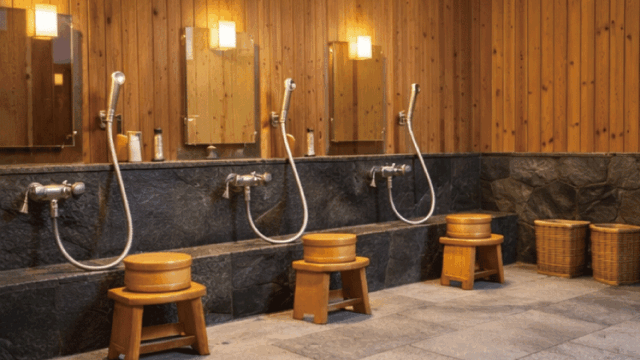
Even if tattoos are accepted, etiquette still matters a lot. The good news is that onsen etiquette is simple once you know the basics.
The goal is not to act “perfectly Japanese.” It’s to avoid drawing attention. Most awkward moments happen when someone doesn’t realize they’re breaking a norm.
Basic rules that matter most
- Wash your body before entering the bath
- No swimwear or phones in bathing areas
- Keep towels out of the bath water
- Speak quietly and move calmly
If you act relaxed and respectful, people usually leave you alone.
If staff ask you to do something differently, they’re usually trying to prevent discomfort for everyone, not to shame you. A calm response goes a long way.
day use is it possible
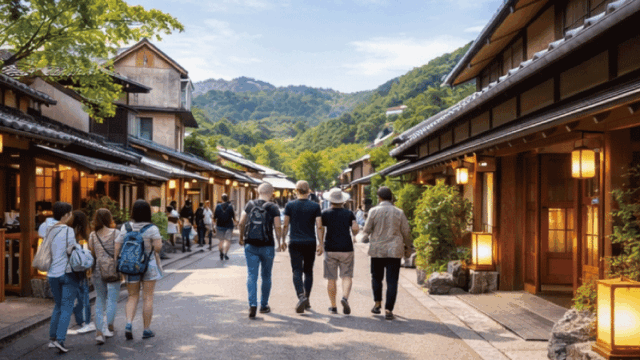
Day-use onsen plans are one of the trickiest points. Some travelers assume they can just drop in, but many ryokan focus mainly on overnight guests.
If you are not staying overnight, you need to confirm two things in advance:
- Whether day-use is offered on your travel date
- Whether private baths are included or excluded
My honest advice: If you have tattoos and limited time, avoid places with unclear day-use rules. Uncertainty increases stress.
Crowds also matter. Kyoto gets very busy, and crowded bathing areas amplify discomfort for tattooed travelers.
kyoto arashiyama onsen kadensho stay decision
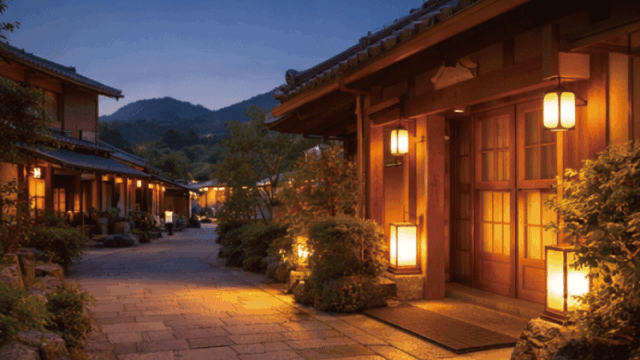
Now let’s talk about whether staying overnight makes sense for you, beyond just tattoo rules.
kyoto arashiyama onsen kadensho: tattoo comfort guide
Hi, this is Yusuke from Discover Japan Hidden.
If you’re searching kyoto arashiyama onsen kadensho, you’re probably doing “pre-trip damage control.” You want to enjoy an onsen in Kyoto without that sinking feeling of “Am I about to get stopped?” or “Is this going to be awkward?” Tattoos make this extra stressful, because Japan isn’t a simple yes/no country on this topic.
Here’s my promise: I won’t just repeat rules. I’ll help you decide whether you can actually relax. The real goal isn’t “Can I enter?” It’s “Can I bathe without tension, stares, or having to negotiate mid-visit?”
In this guide, I’ll break things down into clear paths, including private bath strategy, etiquette that prevents awkward moments, and when you should honestly choose a different plan.
- How to judge tattoo rules by comfort, not just policy
- When private baths remove the stress completely
- What foreigners usually misunderstand about onsen etiquette
- How to decide if staying overnight is worth it
kyoto arashiyama onsen kadensho tattoo concerns
Let’s start with the part you actually care about. This section is built for tattooed travelers who want a calm, low-drama onsen experience. I’ll separate “allowed” from “comfortable,” because those are not the same thing in Japan.
kyoto arashiyama onsen kadensho is it foreigner friendly
First, the general vibe. Arashiyama is one of Kyoto’s biggest sightseeing areas, so the hospitality style around here tends to be more used to overseas guests than a small local bathhouse in a residential neighborhood. That’s a big plus if you’re new to Japan, because the systems are often clearer and the staff are less surprised by different cultures.
But here’s the important nuance: “foreigner friendly” doesn’t automatically mean “tattoo relaxed.” In Japan, those are two different layers. A place can be very welcoming to international travelers and still treat tattoos as a sensitive topic in shared bathing areas. This is why you’ll sometimes see confusing signals like “we welcome foreigners” alongside quiet rules about tattoos, or a suggestion to use a private bath instead of the public bath.
How I judge the real atmosphere
I look for three things that reduce awkward moments:
- Clear systems: staff explain options (public bath vs private bath) without making you feel singled out
- Visible guidance: etiquette instructions are easy to follow so you don’t accidentally break a rule
- Normality: foreigners aren’t treated like a “special case,” they’re treated like guests
When these three are present, you usually get a smoother experience, even if tattoos are not fully “anything goes.” You can relax because you’re not guessing what’s expected of you.
Quick comfort check: If you want your first onsen experience to be calm, choose a place where private baths are easy to use and etiquette is clearly explained. That reduces the “silent pressure” a lot.
Also, it helps to understand why tattoos are sensitive in the first place. Japan’s tourism authority explains the cultural background and the basics of onsen etiquette in a visitor-friendly way. If you want one reliable overview, this is a solid reference: (Source: Japan National Tourism Organization, “Onsen” guide).
Bottom line: kyoto arashiyama onsen kadensho is likely easier for foreigners than many local options, but your comfort still depends on how tattoos are handled in the bathing areas and whether you choose private or public.
tattoo can you use the onsen
This is the heart of the problem. A lot of people see “tattoo OK” in a review and assume they’re safe. But in Japan, that phrase can mean four totally different realities. The difference matters because it changes whether you can relax or whether you’ll feel like you’re walking on eggshells.
The four categories you must not mix up
- Fully OK: tattoos are fine in shared baths with no conditions
- Small tattoos only: tiny designs may be tolerated, large pieces may be stopped
- Cover required: you must use a cover sticker in shared spaces
- Private bath only: shared baths are effectively a no, but private baths are fine
Here’s how this plays out emotionally. If you’re in the “cover required” or “small tattoos only” zone, you might technically get in, but you can still feel awkward if you’re constantly checking whether you’re being watched. And if you’re the type who hates conflict, even a small chance of being stopped can ruin the mood before you even arrive.
My rule: choose the option that protects your peace
I tell tattooed travelers to decide based on the most stressful moment, not the best-case scenario. Ask yourself:
- If someone asked me to leave the public bath, would I be okay emotionally?
- Do I want a “maybe okay” experience, or a “definitely calm” experience?
- Is my tattoo easy to cover quickly without making a scene?
If that thought makes your stomach drop, you’re not being dramatic. You’re being realistic. The whole point of onsen is to relax, not to gamble your comfort.
Please note: Tattoo policies can change, and staff interpretation can vary. Always confirm the latest policy directly with the official site or the property before you visit.
At-a-glance decision table
| Tattoo situation | Public bath | Private bath | Awkwardness risk |
|---|---|---|---|
| Small, easy to cover | Sometimes OK | Comfortable | Low to medium |
| Medium, visible | Uncertain | Comfortable | Medium to high |
| Large or multiple | Often not OK | Best choice | High (public) |
| You want zero stress | Not recommended | Best choice | Very low |
private baths can you use them without reservation
Private baths are the easiest way to turn a tattoo question into a non-issue. That’s why I always frame private baths as “stress insurance.” If you’re worried about being stared at or stopped, private baths remove that layer completely. No audience, no guessing, no tension.
But private baths can still be frustrating if you don’t understand how they work. The biggest misconception is that private baths always mean “available whenever you want.” In reality, private baths often run on one of these systems:
- First-come, first-served: you queue by waiting for an open slot
- Time-slot booking: you reserve a time at check-in or via a system
- Limited availability: only a few rooms or baths qualify
How to avoid the peak-hour trap
If private baths are first-come, the “danger zone” is usually right after dinner and before bedtime. Everyone thinks the same thing: “I’ll bathe after dinner.” So you get a mini rush. If you show up at that exact time and expect instant access, you might feel stressed and disappointed.
Low-stress strategy: aim for early evening before dinner, late night after the rush, or early morning when most people are still sleeping.
Also, don’t underestimate the power of flexibility. If you’re okay using a private bath at a slightly odd time, you’ll probably have a much better experience overall. The goal is not “prime time.” The goal is “calm time.”
What to do if you feel nervous even with private baths
Some travelers still worry: “What if someone sees my tattoo in the hallway?” Totally normal. My advice is practical:
- Bring a light cover-up for walking to the bath (a robe or long-sleeve layer)
- Move calmly, no rushing, no hiding
- Act like you belong, because you do
Confidence helps because it reduces the “spotlight” feeling. Most people are focused on their own relaxation, not on policing other guests.
onsen etiquette will you feel awkward
Onsen etiquette is the second layer of comfort. Even if tattoos are okay, etiquette mistakes can create awkward moments fast. The good news is you don’t need to memorize a hundred rules. A few basics cover almost everything.
The handful of etiquette rules that matter most
- Wash first: sit at the shower station and clean your body before entering the bath
- No swimwear: onsen is nude bathing, towels are for modesty while walking, not for soaking
- Towels stay out of the water: you can place a small towel on your head or by the side
- No photos: even if the bath is empty, phones/cameras are a no
- Quiet voices: think “library level,” not “pool level”
Most awkwardness comes from one of two things: people entering the bath without washing, or using the area like a leisure pool. If you avoid those, you’re already ahead of many first-timers.
My comfort rule: If you’re tattooed, don’t give people a second reason to look at you. Calm etiquette makes you invisible in the best way.
If staff correct you, here’s the best response
If staff ask you to change something, they’re usually trying to prevent a complaint, not to embarrass you. The best move is simple: smile, say “Okay,” and follow the instruction without debate. Even if you feel annoyed, that small calm response protects your mood and your experience.
And if you’re worried about cultural mistakes in general, treat onsen like a quiet shared space. If you act respectfully, people almost always respond with the same energy.
day use is it possible
Day use is the part that trips up many travelers because expectations from other countries don’t match Japan. In some places overseas, you can pay a day fee and use spa facilities freely. In Japan, it depends heavily on the property type. Many ryokan focus on overnight stays, and day use may be limited, seasonal, or simply not offered.
Two questions you must confirm before you go
- Is day use available on my date? Some days are “overnight guests only.”
- Does day use include private baths? Private baths may be limited to staying guests.
If you’re tattooed and your plan relies on private baths, this detail becomes crucial. Day use without private access can push you back into the “public bath uncertainty” zone, which defeats the whole purpose of planning for a stress-free experience.
My honest advice: If you have tattoos and you only have one chance for an onsen in Kyoto, don’t gamble on unclear day-use rules. Choose the option with the clearest path to a comfortable bath.
Crowds change everything
Kyoto crowds don’t just affect sightseeing. They change onsen comfort too. A quiet bath feels easy. A crowded bath feels like a stage. If you’re nervous, crowds amplify that feeling. So if you can’t avoid peak tourist seasons, the “private bath strategy” becomes even more valuable.
In short: day use might be possible, but for tattooed travelers, it’s only a good idea when the rules and bath options are crystal clear.
kyoto arashiyama onsen kadensho stay decision
Now let’s move from “Can I bathe comfortably?” to “Should I actually stay here?” For many tattooed travelers, staying overnight is what unlocks the calmest bath times and the least stressful experience overall.
kyoto arashiyama onsen kadensho stay decision criteria
I keep this simple, because travel planning can get overwhelming fast. Staying overnight usually makes sense if you value control over timing and comfort. With a stay, you can use baths when they’re quieter, you can eat without rushing, and you don’t have to “escape” back to the city late at night when transport feels confusing.
My yes/no checklist for booking
If you answer yes to two or more of these, I think staying overnight is the smarter choice:
- You want to use baths at quiet hours (late night or early morning)
- You don’t want to rush transportation after dinner
- You prefer a clear routine: check in, bath, dinner, bath again, sleep
- You want a backup option if public baths feel uncomfortable
For tattooed travelers, timing is everything. The most “comfortable” moments in many onsen-style properties are often late at night or early morning. If you’re only visiting briefly, you’re more likely to hit peak time. If you’re staying, you can choose calmer windows and avoid the emotional rollercoaster.
Bottom line: Choose based on whether you can enjoy the experience stress-free, not just whether it’s technically allowed.
One practical note about price and plans
Rates and plan details change by season, day of week, and demand, so treat any price you see online as a general estimate. If you’re deciding based on budget, check the official site and compare plans carefully. And if you’re booking with dinner included, be mindful of arrival times. In Japan, meals have a rhythm, and arriving late can create stress for you and the staff.
room types and how to choose
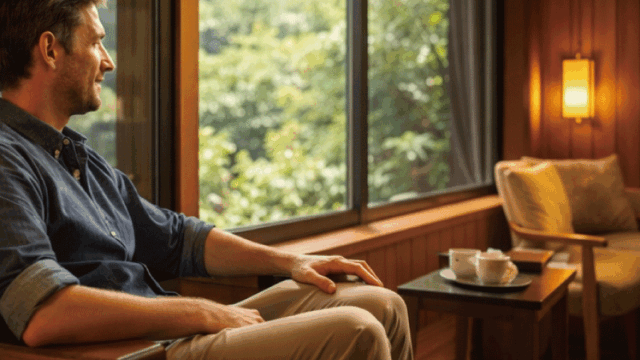
Your room choice affects your confidence more than you might expect. Privacy, layout, and ease of movement all matter, especially if you’re tattooed and already a little tense. The goal is to make the entire stay feel smooth: change clothes easily, move to the bath without overthinking, and come back feeling like you belong.
How to choose the least stressful room setup
I recommend you prioritize these points:
- Easy-to-live layout: enough space to organize clothes and towels without chaos
- Comfortable privacy: a room that doesn’t make you feel “exposed” when preparing for the bath
- Group fit: the right balance for solo, couple, or family so nobody feels cramped
If you’re nervous, choose a room that lets you move calmly between bath and room without feeling rushed. Rushing is what creates mistakes: forgetting something, entering the wrong area, or feeling flustered. A calm room is a calm mind.
Small confidence hack: pack a simple “onsen pouch” (small bag) with your essentials so you’re not juggling items in the hallway.
If you’re traveling as a couple or with friends
Talk about expectations early. Some people love shared baths and want to try them. Others want private only. If your group agrees on the plan in advance, you avoid the awkward moment of “Wait, are we doing public now?” at the entrance to the bath area. This matters a lot more than people think.
food and dietary restriction support
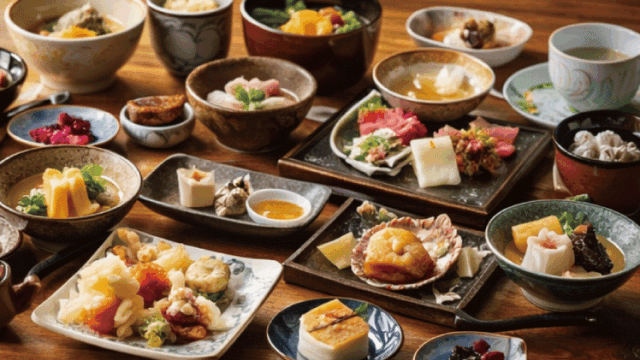
Food is another hidden stress point. Japanese cuisine uses many shared ingredients, so clarity matters. Travelers sometimes assume “I’ll just avoid meat” or “I’ll just say no dairy,” but the tricky part in Japan is that ingredients can appear in broth, sauce, or seasoning in a way that isn’t obvious at a glance.
How to communicate restrictions without confusion
I recommend a direct approach. Tell staff what you cannot eat, not just what you prefer. For example, “I have a nut allergy” is very different from “I don’t like nuts.” If it’s a medical issue, be extra clear and ask what can be adjusted.
Tip: Tell staff clearly what you cannot eat, not just what you prefer.
Always confirm details directly, especially for allergies or religious restrictions. Even when staff are kind and helpful, perfect customization isn’t always possible depending on the kitchen style and the plan you booked. That’s not a lack of effort, it’s just how set menus and prep systems work.
A realistic way to stay stress-free
If your dietary restriction is strict, plan a backup. That might mean having snacks you trust, or being comfortable with a simpler meal if needed. The goal is not “perfect culinary adventure at any cost.” The goal is “relaxed travel.” If you can eat safely and calmly, you’ll enjoy everything else more, including the baths.
access transportation and english support
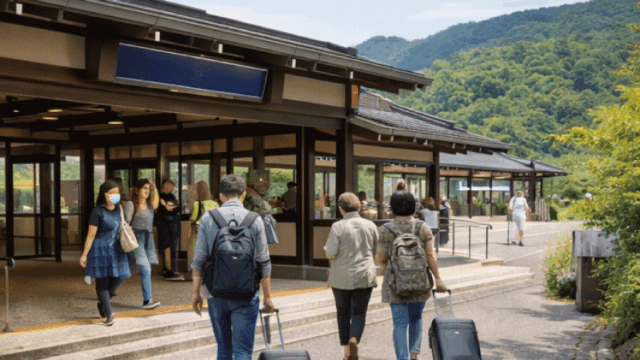
Even “easy access” can feel confusing when you’re tired. Kyoto transportation is very doable, but the stress usually hits at the exact moment you’re carrying luggage, it’s getting dark, and you’re trying to find the right exit. That’s when small navigation mistakes happen.
My low-stress transport routine
- Save your route offline (screenshots help more than you’d think)
- Give yourself a buffer so you’re not rushing
- Arrive earlier if dinner is included, so you’re not stressed about time
If you’re using a JR Pass or taking a Shinkansen earlier in the day, remember that the most exhausting part is often not the long ride. It’s the last 10 minutes: transfers, exits, and walking with luggage. Plan for that, and you’ll feel much more in control.
English support: good enough, but don’t rely on it 100%
English support exists, but it varies by staff and shift. In tourist areas like Arashiyama, you’ll often find staff who can help with basic questions. Still, the best strategy is to keep communication simple and direct. Use short yes/no questions and show your booking info on your phone if needed.
Communication tip: Try “Is a private bath available now?” or “What time is dinner?” Simple questions get clear answers, even with limited English.
If you’re nervous about explaining your tattoo situation in English, you can also contact the property in advance with a short message. That way, you’re not having the conversation at the bath entrance with your heart racing.
reviews common concerns should you go
Reviews are useful, but they can also be misleading for tattooed travelers. One person’s “No problem at all” might still include a moment of awkwardness that they personally didn’t mind. Another person may be highly sensitive to being stared at. So instead of trusting a single review, look for patterns: repeated mentions of private baths, staff clarity, cleanliness, and overall comfort.
How to read reviews like a tattooed traveler
- Ignore vague “tattoo OK” comments and look for details (public vs private)
- Pay attention to “atmosphere” words like calm, comfortable, stressful, confusing
- Look for mentions of signage, rules, or staff guidance
This onsen is for you if:
- You prefer private baths for peace of mind
- You’re okay following basic etiquette
- You want a traveler-friendly atmosphere
This onsen is NOT for you if:
- You want shared baths with large tattoos
- You dislike ambiguity
- You prefer a very local, strict onsen vibe
Final thought: Decide based on comfort, not just permission. Always confirm the latest rules on the official site, and if you have medical concerns, consult a professional before bathing. If your tattoo situation is likely to put you in the “maybe okay” zone, I honestly think private baths are the simplest path to a good memory in Kyoto.