SolaniwaOnsen Tattoo Comfort Guide for Travelers
Hi, this is Yusuke from Discover Japan Hidden.
If you searched solaniwa onsen because you have tattoos, you’re probably not just asking “Is it allowed?” What you really want to know is whether you can enter without being stared at, stopped at the counter, or feeling like you’re breaking an unspoken rule. That concern is completely valid, and honestly, it’s one I hear all the time.
In this article, I’ll walk you through solaniwa onsen in Osaka Bay Tower from a local perspective. We’ll talk about access from Bentencho Station, opening hours, ticket prices, reservations, tattoo rules, private bath options, food, dress code, and how it compares with Spa World. My goal is simple: help you decide whether solaniwa onsen will be a stress-free experience for you, or whether you should choose a different option.
- How tattoo rules at solaniwa onsen work in real situations
- Which tattoo sizes and styles fit public baths or private baths
- How to avoid awkward cultural mistakes inside Japanese onsens
- How to decide between solaniwa onsen and Spa World
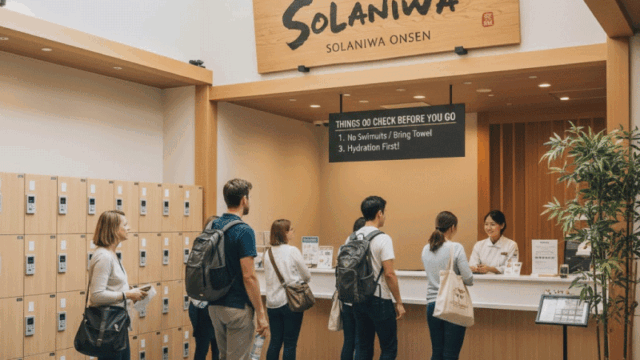
Solaniwa Onsen: Things to Check Before You Go
Before we talk about comfort and atmosphere, let’s make sure the basics won’t trip you up. Most stress happens when small details pile up, so this section clears those out first. If you’re a first-time onsen visitor, these “small details” are exactly what can turn a fun plan into a tense one, so let’s make it easy.
Location & Access: Is Solaniwa Onsen easy to reach?
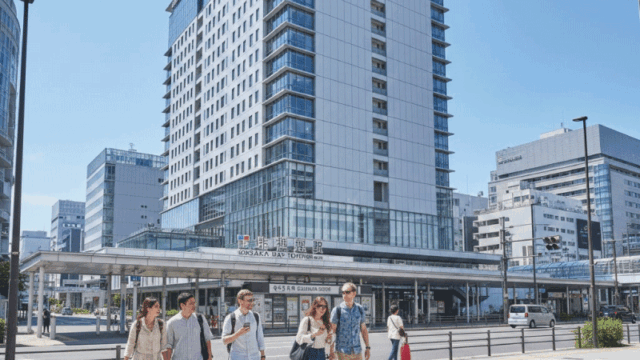
Solaniwa Onsen sits inside Osaka Bay Tower, right by Bentencho Station. From a local Osaka perspective, this is one of the simplest “big onsen experiences” to reach because you don’t need to travel to an onsen town, you don’t need a car, and you don’t need to memorize complicated station names. If you’re staying around Umeda, Namba, or Osaka Station area, you can usually get there without drama.
But here’s the thing: “easy access” and “no confusion” are different. Bentencho Station connects JR and Osaka Metro, and travelers sometimes exit from the wrong side, walk around the building, then feel like they already messed up before they even enter. It’s not dangerous. It’s just annoying, especially if your brain is already spinning about tattoos, rules, and whether someone will stop you. If that’s you, don’t worry. You’re normal.
My suggestion is to treat arrival like part of the relaxation. Aim to arrive a little early, find the entrance calmly, and take a breath before you step in. When people arrive rushed, they tend to speak louder, look stressed, and draw attention without meaning to. In Japan, that can create the exact “awkward vibe” you wanted to avoid.
Local access checklist:
- Arrive with a 15–20 minute buffer so you’re not speed-walking
- Store big luggage before you come so you’re not wrestling lockers
- Screenshot your route while you still have good signal
- If you get turned around, stop and reset instead of pushing forward
A calm entry is the easiest way to avoid awkward moments later.
Also, if you’re using a JR Pass, just remember it covers JR lines, not every local subway. Osaka can feel confusing if you expect one pass to cover everything. It’s totally doable, just don’t assume it’s “one ticket everywhere.” If you want a general “how to plan Japan routes without anxiety” mindset, that’s the same approach I use when building itineraries for travelers.
Hours & Entry Rules: When can you enter Solaniwa Onsen?
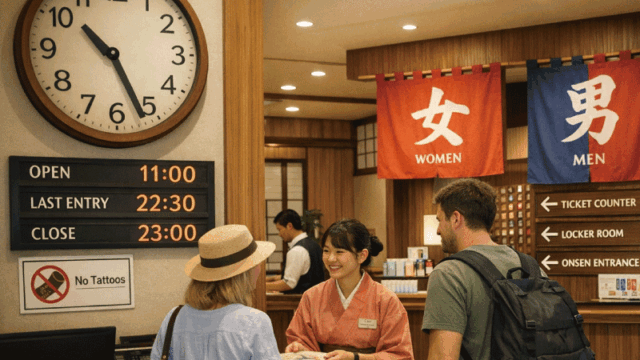
Solaniwa Onsen typically works best as a late afternoon to evening reset. Many travelers do it after sightseeing when their feet are tired and their brain is full. That’s the sweet spot: you’ve earned the soak, and you can enjoy the mood of the place without feeling like you’re sacrificing daylight sightseeing.
What I want you to know is that “closing time” isn’t the only time that matters. Facilities often have a last entry time, and they may also have separate cutoffs for bathing areas, restaurants, and certain floors. Travelers sometimes arrive late, pay the full admission, and then realize they only have enough time for a quick bath. That’s when the experience feels expensive and disappointing, not because the onsen is bad, but because the timing was off.
Another quiet rule is behavior-related. Japanese onsens are relaxed, but they’re also structured. You’re expected to follow the flow: shoes off, check-in, locker, wash, then soak. If you try to freestyle it like a Western spa, it can feel awkward. Nobody usually shouts at you, but staff might approach you gently, and that alone can feel stressful if you’re already nervous about tattoos.
Please note: Operating hours, last admission, and partial closures can change due to maintenance or special schedules. Always confirm the latest details on the official Solaniwa Onsen site before you go.
If you’re traveling with minors, be aware that many Japanese facilities have evening restrictions for under-18 guests. These rules can be enforced quietly but firmly. It’s not personal, it’s just policy, and it’s better to know ahead of time than learn it at the entrance with everyone watching.
Pricing: Is Solaniwa Onsen worth the admission fee?
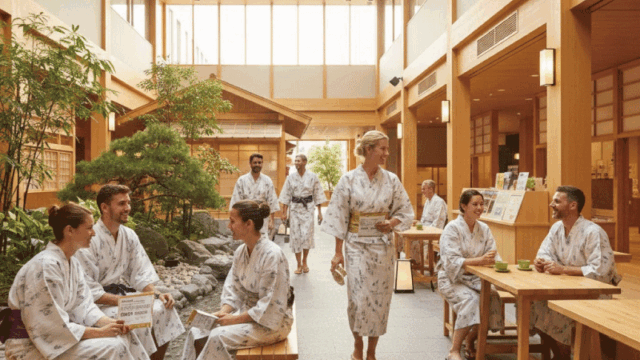
Pricing is where I see the biggest gap between expectations and reality. Some travelers expect “pay a little, take a bath, leave.” Solaniwa Onsen is not really that. It’s more like an onsen theme facility where the bath is the core, but the value comes from staying long enough to enjoy everything around it: the yukata atmosphere, the rooftop garden, the lounge, and the overall “reset” feeling.
So is the admission fee worth it? My honest answer is: it depends on how you use it. If you’re the type who wants to do a quick soak and bounce, you might feel it’s pricey. If you’re the type who likes to slow down, sit, soak, walk, snack, and chill, it usually feels fair. The biggest mistake is paying the full price and giving yourself only 90 minutes because you scheduled it too tight.
Value mindset: Think of Solaniwa Onsen as a half-day comfort activity, not a “15-minute spa stop.” If you give it time, it tends to deliver.
Quick self-check:
- If you can stay 3–5 hours, the fee usually feels reasonable
- If you can only stay under 2 hours, compare alternatives first
- If tattoos make you anxious, paying extra for a private bath may be worth it
Prices vary by date and season and are provided as general guidance only. Please confirm current fees on the official site. For budgeting decisions, consult a qualified professional if needed.
Reservations: Do you need to book Solaniwa Onsen in advance?

For general entry, you usually don’t need a reservation. That’s one reason solaniwa onsen is popular with travelers: you can decide the same day, show up, and go in. If you’re building an itinerary and you don’t want to lock yourself into a strict schedule, this flexibility is a big plus.
But reservations become a different story when tattoos are involved, because your comfort level matters more than the technical “allowed or not.” If you have a tattoo that’s large, hard to cover, or placed somewhere tricky, you might be able to enter, but you might spend the whole time mentally checking whether it’s visible. That’s not relaxing, and you deserve better.
This is where private bath reservations can be a game-changer. A private bath can remove almost all tattoo-related stress. You don’t have to worry about cover stickers peeling, you don’t have to worry about other guests noticing, and you don’t have to wonder if staff will approach you inside. For travelers who want a guaranteed comfortable experience, private is the cleanest solution.
My reservation rule of thumb: If avoiding awkward moments is your #1 goal, treat a private bath booking like insurance. It costs more, but it buys peace of mind.
When you can skip booking
- You have no tattoos, or your tattoo is tiny and easy to cover
- You’re visiting on a quiet weekday and you’re flexible with timing
When you should consider booking
- Your tattoo is large, multi-part, or in a hard-to-cover area
- You’re visiting on weekends, holidays, or peak travel weeks
- You’re a first-time onsen visitor and you want the easiest path
Tattoo Policy: Are tattoos allowed at Solaniwa Onsen?
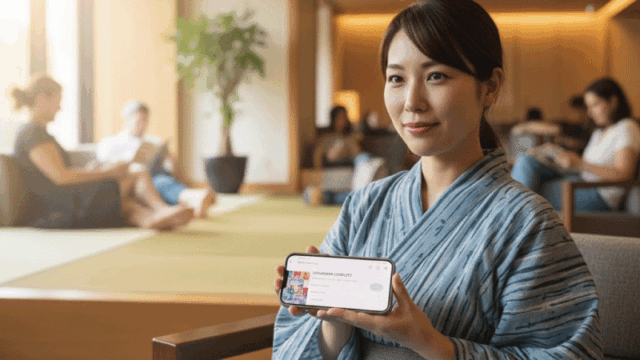
This is the section I want you to read slowly, because this is where travelers get burned by vague wording online. Solaniwa Onsen is often described as tattoo-friendly, but tattoo policies in Japan are rarely “one simple yes.” Usually, it’s “yes, if…” and those conditions matter. The real question isn’t “Can you enter?” It’s “Can you enter and enjoy it without tension?” That’s a totally different standard, and it’s the one I care about for you.
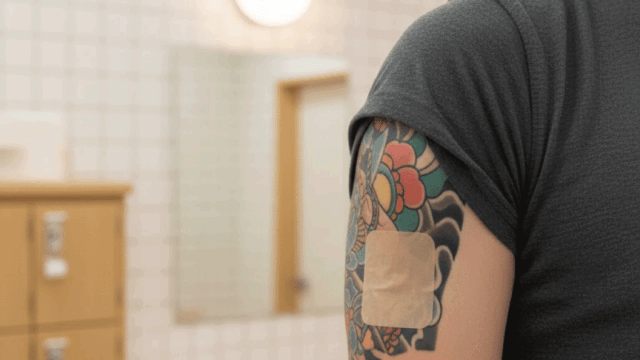
At Solaniwa Onsen, tattoos are generally handled through cover stickers. In practical terms, that means the staff expects tattoos to be fully concealed in public bathing areas. If your tattoo can be covered cleanly, many travelers have a smooth experience. If it can’t, this is where you risk the awkward moment: the quiet pause, the staff checking, and you feeling like everyone is watching. Even if the staff is polite, it can feel uncomfortable.
Don’t mix these categories: tattoo “OK” has levels, and confusion causes stress.
| Tattoo situation | Typical rule style | What it feels like |
|---|---|---|
| Fully tattoo-friendly | No restrictions | Relaxed, no second thoughts |
| Small tattoos only | Allowed if tiny | Uncertain if you’re borderline |
| Cover stickers required | Allowed if fully covered | Fine if you can cover cleanly |
| Private bath only | Public baths restricted | Most stress-free option |
How to judge your own situation
Here’s my simple way to decide, based on what I’ve seen travelers struggle with:
- If your tattoo is small and stays covered easily, public baths can be fine
- If your tattoo is large or wraps around, expect stress unless you go private
- If you hate the idea of being “checked,” choose private or choose another onsen
Etiquette warning: Even if your tattoo is covered, don’t talk loudly about tattoos inside. In Japan, being “right” isn’t the same as being “comfortable.” Quiet confidence helps you blend in.
And if you’re new to the basic onsen flow (wash first, no swimsuits, no photos in bathing areas), this official overview is genuinely useful: (Source: Japan National Tourism Organization “Onsen Guide”)
Solaniwa Onsen: How to Decide If It’s Right for You
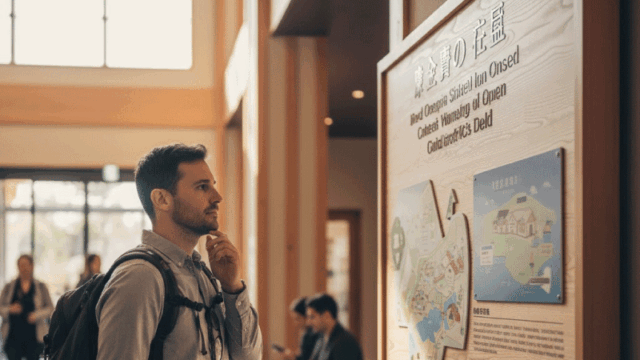
Now we move from info to decision-making. I’m not going to give you a vague “it depends.” I’ll give you clear criteria so you can decide: go, avoid, or choose a safer alternative. The goal is a stress-free experience, not just a technical “allowed” experience.
Families & Couples: Who is Solaniwa Onsen best for?
Solaniwa Onsen tends to work well for families and couples because it’s not just a bath facility. It’s designed so you can spend time together in shared areas, enjoy the atmosphere, and then split for the gender-separated baths (or choose private baths if that’s your plan). For couples especially, the vibe is more “fun and comfy” than “serious traditional.” That’s a big deal if you’re worried about making mistakes.
For families, the advantage is that the experience doesn’t rely on everyone doing the exact same thing. One person can soak, another can relax in the lounge, someone can wander the garden. That flexibility reduces stress, which matters when you’re managing kids, jet lag, or different comfort levels in the group.
This onsen is for you if…
- You want a tourist-friendly onsen experience in Osaka without traveling far
- You like a structured environment with clear “what to do next” flow
- You want a place where international travelers are common
This onsen is NOT for you if…
- You want a quiet, local-only onsen where nobody is taking photos in the garden
- You prefer a small, traditional ryokan bath over a big facility
- You get overwhelmed by larger venues with many zones and rules
Comfort tip: If you’re a couple and tattoos are a worry, a private bath can turn the whole day into “no stress, just enjoy.”
Dress Code & Packing: What should you wear at Solaniwa Onsen?
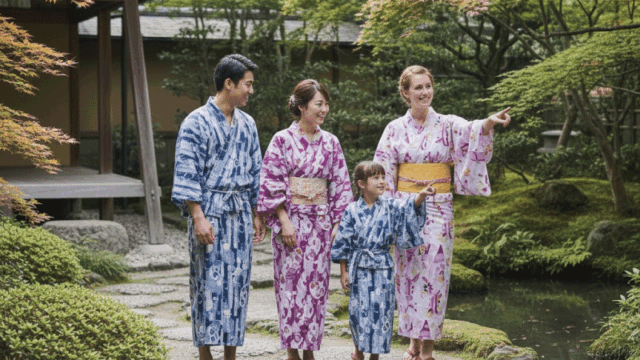
Dress code is one of those “hidden rule” topics that makes overseas travelers nervous. Good news: Solaniwa Onsen is built for tourists, so the flow is pretty friendly. You typically change into a provided yukata inside the facility. That’s part of the charm, and it also signals the social expectation: you’re in a shared relaxation space, so keep your volume and behavior calm.
What should you bring? Honestly, less is better. Most places provide basic toiletries, and Solaniwa Onsen is generally set up so you don’t need to carry much once you’re inside. The biggest packing mistake I see is people bringing too many valuables, then feeling stressed about lockers, keys, and where they put things.
My packing list for a calm visit
- A small pouch for essentials (phone, small cash, lip balm)
- Hair ties if you have long hair
- A tiny skincare item if your skin is sensitive
Photo rule reminder: No photos in bathing or changing areas. When you’re unsure, don’t take your phone out. If you want photos, do it in the garden or clearly public, clothed zones.
How to avoid the “awkward foreigner moment”:
- Speak a little softer than you think you need to
- Follow the flow instead of improvising
- If you’re confused, ask staff calmly rather than guessing fast
Food & Dietary Needs: Can Solaniwa Onsen accommodate you?
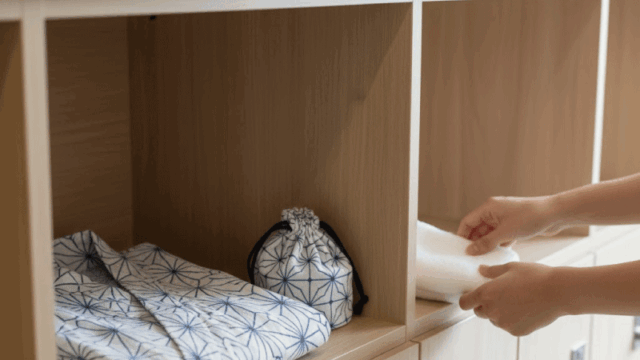
Food is a surprisingly big anxiety point, especially if you have dietary restrictions. Solaniwa Onsen has food options inside, which is convenient because you can stay for hours without planning another restaurant. That said, Japan can be tricky with ingredients, and the “hidden rules” show up here too.
If you’re vegetarian, vegan, halal, or dealing with allergies, the biggest issue is that many Japanese dishes use hidden components like fish stock (dashi), oyster sauce, or small amounts of meat extracts. It’s not malicious, it’s just normal cooking here. So the safest mindset is to avoid assumptions. A dish that looks like “just vegetables” may still be built on fish-based broth.
How I recommend handling dietary needs
- If you’re flexible: you’ll likely find something workable and enjoy the convenience
- If you’re strict vegan/halal: plan to ask questions and consider eating before you go
- If you have allergies: treat it seriously and confirm ingredients carefully
Low-stress strategy: Decide your risk level before you enter. Your goal is not perfect food, it’s avoiding misunderstandings.
Dietary information can change, and staff may not always have full ingredient certainty on the spot. If you have severe allergies, please confirm carefully and consult a medical professional for guidance.
Solaniwa Onsen vs Spa World: Which should you choose?
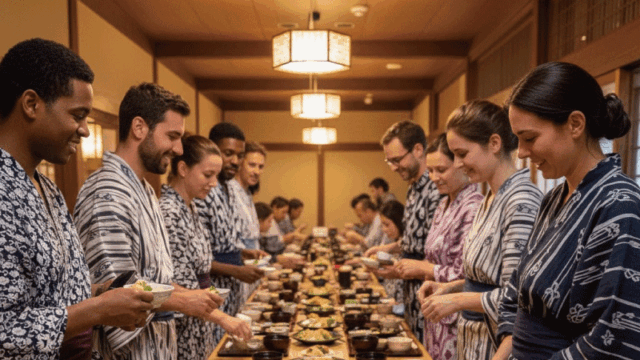
This comparison matters because travelers often search both and assume they’re basically the same. They’re not. The vibe is different, the comfort level is different, and tattoo stress can be very different.
Solaniwa Onsen is designed as a themed, curated experience. It feels like “a nice onsen day” with a bit of Japanese atmosphere packaged in an accessible way. Spa World, on the other hand, feels more like a large bath complex. Some people love that because it’s straightforward and functional. Others find it less “Japan-travel special.”
Choose Solaniwa Onsen if you want:
- More “Japan travel vibe” with yukata and a photogenic atmosphere
- A facility that feels designed for sightseeing travelers
- A clearer path to comfort if tattoos are a concern
Choose Spa World if you want:
- A more “big facility” feeling and a casual super-sento vibe
- A place that can fit different schedules depending on your day
- A less themed, more practical bathing complex experience
Tattoo reality check: Spa World is often stricter about tattoos. If tattoos are your main anxiety trigger, Solaniwa Onsen is usually the safer bet, especially if you can fully cover or go private.
Day Trip Wrap: Atami-onsen

I know it looks random to mention Atami-onsen in an Osaka article, but there’s a reason I include it for tattooed travelers. Sometimes the best move is not “find the perfect city onsen,” but “choose an onsen town where private baths are normal.” Atami-onsen is one of those places where you can often find ryokan options with private baths, which can feel far more comfortable if you’re anxious about public bathing rules.
Here’s the decision logic: if you feel tense just imagining the entrance conversation about tattoos, you might not actually enjoy the onsen even if you’re technically allowed. That’s not your fault. It’s just how stress works. In those cases, shifting to an onsen town plan can reduce friction. You trade “convenient location” for “much easier comfort.”
Planning mindset: The best onsen is the one that matches your comfort level, not the one with the best photos.
If you’re considering an onsen town instead
- Choose a place where private baths are common
- Pick a ryokan that clearly explains tattoo rules in writing
- Build extra time so you’re not rushing check-in and bath time
Final Decision: Should you go to Solaniwa Onsen?
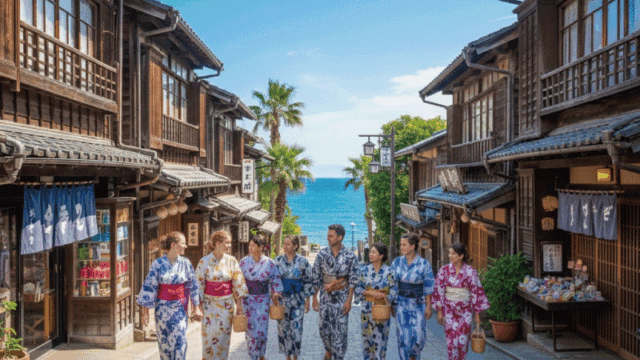
Let’s make the decision simple and honest. I want you to leave this page knowing exactly where you fit, and what to do next. In my experience, travelers feel best when they can say, “Yes, this will be comfortable for me,” not “Maybe I’ll be okay.”
You should go to Solaniwa Onsen if:
- Your tattoo can be fully covered cleanly, and you’re okay following clear rules
- You want an easy-access onsen experience in Osaka without traveling far
- You prefer a tourist-friendly space where foreigners are common
- You can stay long enough to enjoy the garden and actually relax
You should avoid Solaniwa Onsen if:
- Your tattoo is large and hard to cover, and you hate the idea of being checked
- You’re looking for a quiet, local-only onsen atmosphere
- You feel anxious in structured spaces where rules are visible and enforced
My bottom line: The right question isn’t “Can I enter?” It’s “Can I enjoy this without awkward moments?” If that answer is yes, Solaniwa Onsen can be a really satisfying, comfortable part of your Osaka trip.
Final note: rules and operations can change, and every traveler’s situation is different. Please confirm the latest details on official sources before you go. And if you have health, legal, or safety concerns (especially allergies or medical conditions), please consult a qualified professional before making final decisions.