takaragawa onsen and tattoos: will it feel awkward
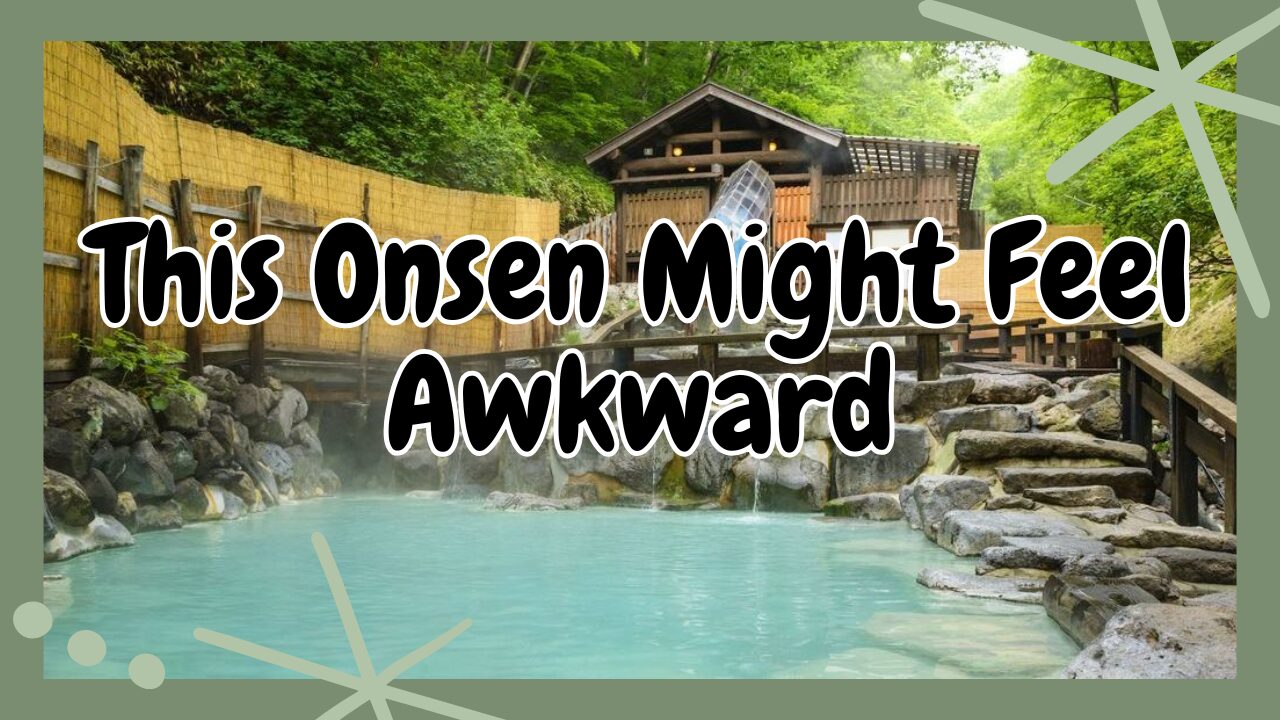
Hi, this is Yusuke from Discover Japan Hidden.
If you searched takaragawa onsen, chances are you are not just looking for pretty photos. You are probably trying to avoid that uncomfortable travel moment where you suddenly realize, “Oh… this might be a problem.” Tattoos, mixed bathing, day trips, access from Tokyo, winter conditions, reviews you can trust, and whether families actually feel welcome. These are the questions I hear again and again from overseas travelers. Especially questions like Are tattoos allowed at takaragawa onsen, Is mixed bathing at takaragawa onsen comfortable, or Can you visit takaragawa onsen as a day trip. This article is written to help you decide calmly, not to push you into going. By the end, you should know whether takaragawa onsen fits you, or whether another option would honestly be better.
- How to judge tattoo rules without awkward moments
- What mixed bathing at takaragawa onsen really feels like
- How access, winter, and day trips work in practice
- Who should go and who should skip
- Tattoo reality at takaragawa onsen
- Planning a stress-free takaragawa onsen visit
- Is access to takaragawa onsen easy
- Can you visit takaragawa onsen as a day trip
- Can you visit takaragawa onsen in winter
- Do you need a reservation for takaragawa onsen
- How takaragawa onsen differs from other onsen
- Who should choose takaragawa onsen
- How to decide if takaragawa onsen is right for you
- Day Trip Wrap: Atami-onsen
Tattoo reality at takaragawa onsen
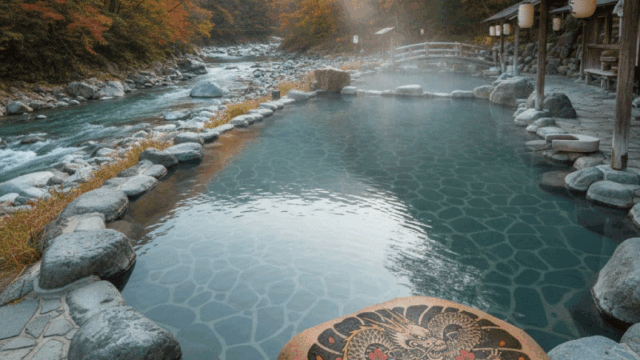
This section focuses on the biggest source of anxiety. Not rules on paper, but how things actually feel once you arrive. In Japan, the emotional side of etiquette often matters more than written policies.
Common worries before visiting takaragawa onsen
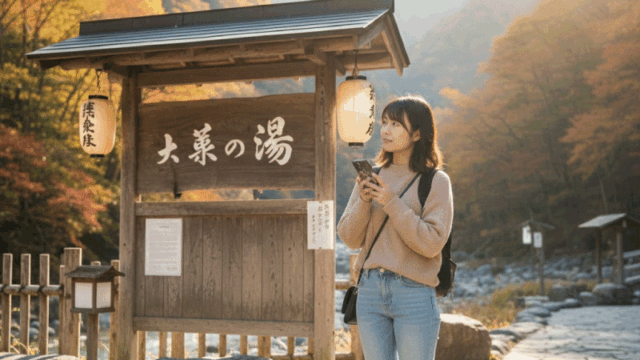
This is where most overseas travelers start. You read that takaragawa onsen is famous, beautiful, and popular with foreigners. Then you see words like mixed bathing, traditional, and remote. That combination triggers a lot of worries, and honestly, those worries make sense.
The most common fears I hear are not about breaking a rule on purpose. They are about accidentally making others uncomfortable, being stared at, or being quietly judged without anyone saying a word. Many travelers also worry about language barriers. If something goes wrong, will staff explain clearly in English, or will you be left guessing?
Another big concern is timing. If you arrive late, if the place is crowded, or if you misunderstand where to change clothes, stress builds fast. This is why I always say: your experience depends less on what is allowed, and more on how predictable the situation feels.
Key idea: In Japan, comfort often comes from clarity. The more predictable the flow, the more relaxed you will feel.
When people leave negative reviews, it is often because expectations and reality did not match. Someone expected “tattoo OK” to mean zero friction, but encountered subtle tension. Understanding this gap before you go is the real preparation.
Are tattoos allowed at takaragawa onsen
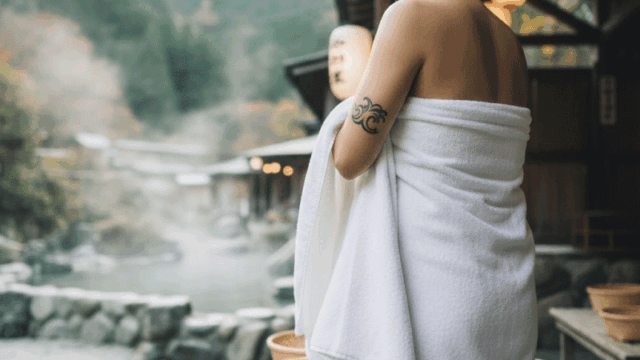
This question deserves a careful answer. Yes, takaragawa onsen is generally considered more tolerant than many traditional onsens. However, tattoo tolerance in Japan is not binary. It exists on a spectrum.
Small tattoos that can be easily covered usually create very little tension. Medium tattoos depend heavily on location, crowd level, and how confidently you move. Large tattoos that are clearly visible can still attract attention, even if no one officially stops you.
| Tattoo size | Typical response | Emotional comfort |
|---|---|---|
| Small | Often ignored | High |
| Medium | Situational | Medium |
| Large | May stand out | Low |
Here is something many blogs do not say clearly. Even when staff are polite and welcoming, other guests may still feel unsure. Japanese culture avoids confrontation, so discomfort is rarely verbalized. This is why some travelers say, “No one said anything, but it felt awkward.” That feeling matters.
If your tattoo is large and you are sensitive to attention, I honestly recommend choosing a private bath or a different onsen entirely. There is no shame in that choice. The goal is relaxation, not endurance.
Important: Tattoo policies can change, and English summaries online may be outdated. Always confirm the latest rules directly with the facility. If you have health concerns related to hot bathing or a fresh tattoo, please consult a qualified professional before making your final decision.
For a broader framework on how tattoo rules usually work across Japan, this guide may help: Near Me Tattoo in Japan: How to Avoid Awkward Onsen Moments.
Is mixed bathing at takaragawa onsen comfortable
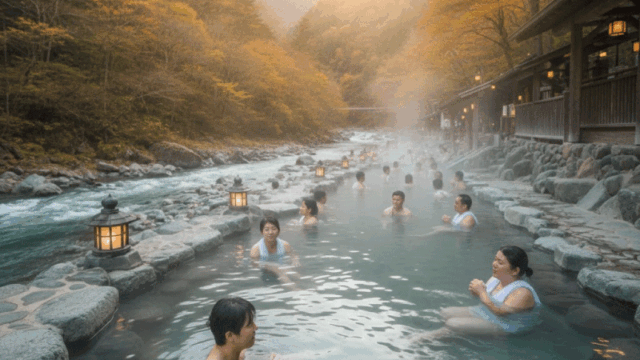
Mixed bathing sounds intimidating, but comfort depends on structure and mindset. When systems are clear, mixed bathing can feel surprisingly calm. When systems are vague, anxiety rises quickly.
What usually makes people uncomfortable is not nudity itself. It is uncertainty. Where do I change. What do I wear. Am I standing in the wrong place. Am I supposed to bring a towel. These small questions stack up.
At places like takaragawa onsen, foreign visitors are not rare. This helps. Staff and repeat guests are used to different body types and cultural reactions. Still, your own comfort level matters more than the environment.
Couple note: If one of you feels nervous, that tension spreads. Choosing a less stressful option is often the most romantic decision.
If you feel curious but hesitant, consider observing first. Watch how others move. Follow the flow. Confidence, even quiet confidence, reduces attention far more than trying to hide.
Are takaragawa onsen reviews trustworthy

Reviews are useful, but only if you read them critically. Many negative experiences come from misunderstanding, not bad service.
I suggest filtering reviews by traveler type. A solo backpacker with no tattoos has very different needs than a tattooed couple or a family with children. Look for details, not just star ratings.
Emotionally intense reviews often signal a mismatch of expectations. Someone expected a spa-like experience and found a traditional one. Another expected zero rules and encountered quiet social norms.
Use reviews to spot friction points, not to predict perfection.
Is takaragawa onsen suitable for families
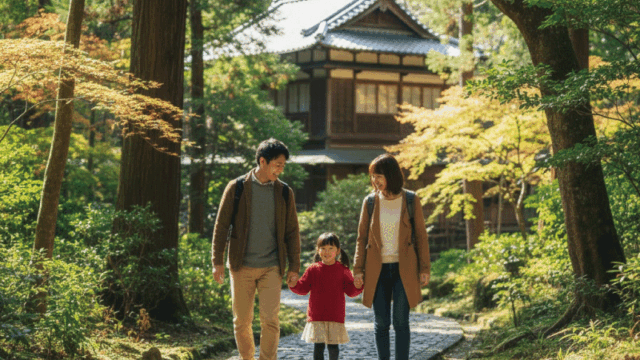
For families, stress comes from logistics and atmosphere. Changing areas, water temperature, walking distance, and quiet rules all matter.
Children are welcome in many onsens, but parents need to manage noise and movement. Japanese onsen spaces amplify sound, and other guests value calm. This does not mean children are unwelcome, but expectations are different from water parks or resorts.
Family note: Bath temperatures and layouts vary. Please confirm current conditions directly with the facility and prioritize safety over convenience.
Planning a stress-free takaragawa onsen visit
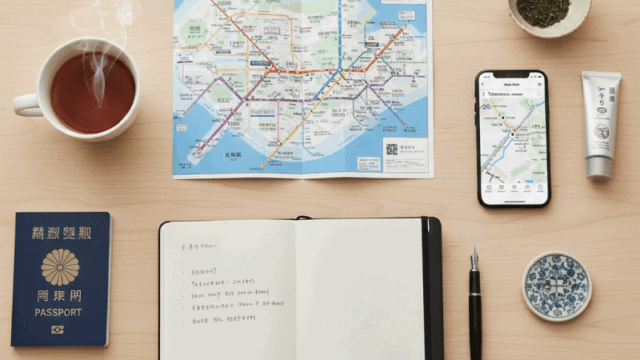
This section is about decision-making. Not whether takaragawa onsen is famous, but whether it fits your travel style.
Is access to takaragawa onsen easy
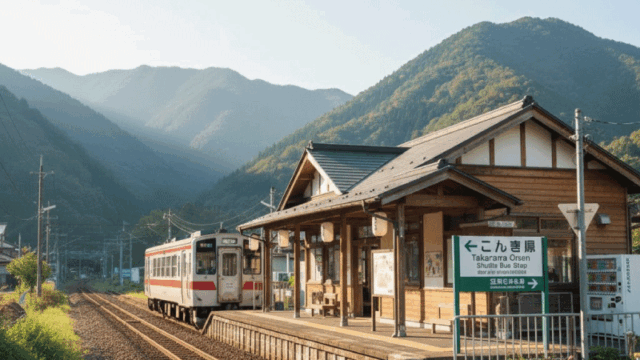
Access is manageable but requires planning. The combination of train, bus, and timing can be confusing if you assume flexibility.
If you are using Shinkansen and local buses, build buffer time. Missing one connection can turn a calm day into a stressful rush.
Rule of thumb: If your plan depends on one tight transfer, it is not a relaxed plan.
Japan’s public transport is reliable, but rural routes have fewer options. Always check the last return bus.
Can you visit takaragawa onsen as a day trip

Yes, but day trips require discipline. You need to know reception hours and return transport in advance.
If you dislike fixed schedules, staying overnight often reduces stress because you can bathe early morning or late evening.
Fees and hours are general guidelines and may change. Please confirm the latest details on the official website before visiting.
Can you visit takaragawa onsen in winter
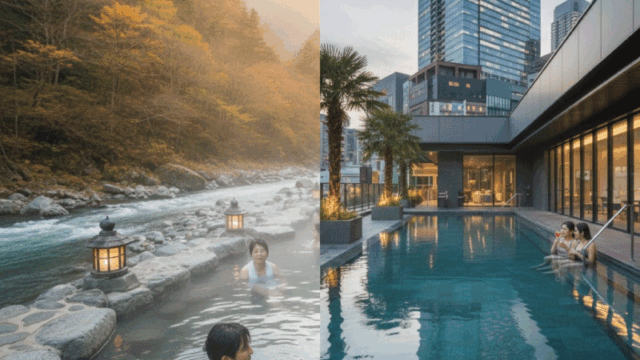
Winter scenery can be beautiful, but logistics become harder. Snow affects roads and walking paths.
If you are not comfortable with icy conditions, consider other seasons. Safety and calm matter more than photos.
Safety note: Winter conditions change quickly. Always check official transport updates and local advisories before travel.
Do you need a reservation for takaragawa onsen
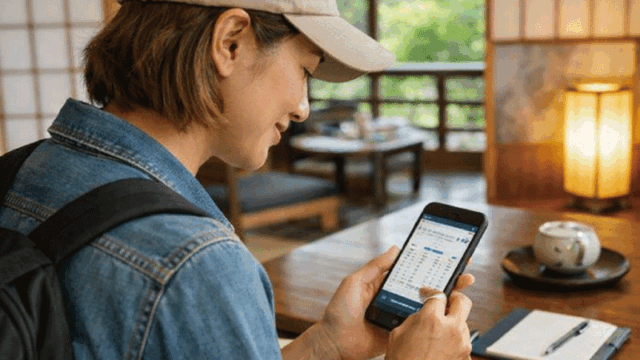
Overnight stays usually require reservations, especially on weekends. Day trips may not, but arriving without a plan can increase stress.
If your tattoo situation is unclear, contacting the facility in advance is the best way to avoid awkward moments.
How takaragawa onsen differs from other onsen
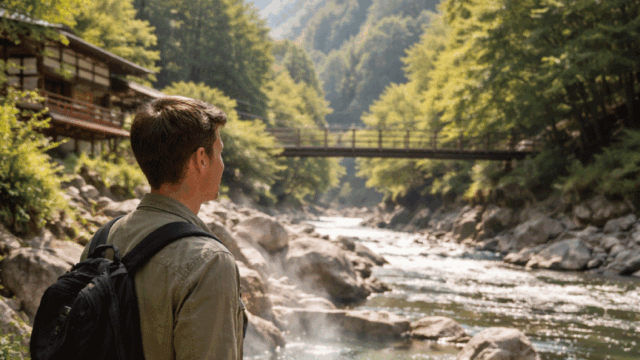
Takaragawa onsen is nature-focused and quiet. Compared to urban spa facilities, etiquette matters more.
If you want a highly internationalized environment, another onsen may suit you better.
Who should choose takaragawa onsen
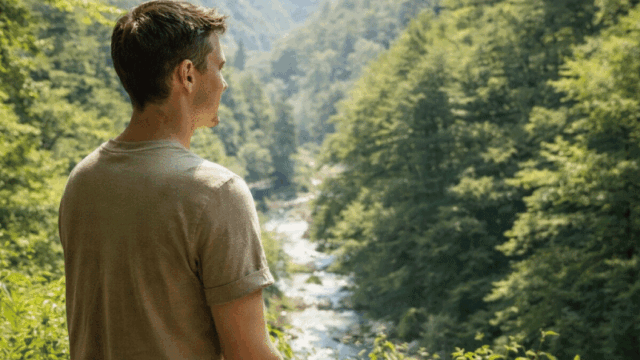
This onsen is for you if:
- You value nature and calm
- You are comfortable following subtle etiquette
- Your tattoo situation is manageable
This onsen is NOT for you if:
- You want zero uncertainty
- You dislike quiet shared spaces
- You prefer spontaneous plans
How to decide if takaragawa onsen is right for you
This is the part where everything comes together, so let’s slow down a bit. Instead of thinking in terms of rules, reviews, or popularity, I want you to ask yourself one simple but honest question: will this be stress-free for me. That question matters far more than whether an onsen is famous or highly rated.
If you imagine yourself at takaragawa onsen and feel curious, calm, or quietly excited, that is usually a good sign. You might be picturing the river, the open-air baths, and the sense of being surrounded by nature. For travelers who enjoy observing local customs, following the flow of others, and accepting a bit of uncertainty, takaragawa onsen can feel deeply rewarding.
On the other hand, if imagining the visit immediately brings up tension, that feeling deserves respect. Maybe you start thinking about where to change, whether your tattoo will draw attention, or what happens if you misunderstand something. If your mind jumps to “What if this is awkward?” more than “This looks relaxing,” then stress is already entering the experience before you even arrive.
Be honest about your comfort, not your courage
This is important. Choosing a different onsen does not mean you are being timid or missing out. It simply means you understand what helps you relax. Some people thrive in environments with clear rules and clear boundaries. Others enjoy places where they can quietly adapt and blend in. Neither is better. They are just different travel styles.
A quick self-check: Do you usually feel energized by figuring things out on the spot, or drained by it. Your answer tells you a lot.
Match the onsen to this trip, not an ideal trip
Another thing I often remind travelers is that every trip has a context. If this is your first time in Japan, you are already processing a new language, new food, new transport systems, and new social cues. Adding a complex onsen experience on top of that can feel overwhelming, even if the onsen itself is wonderful.
If this is your second or third visit, and you already feel comfortable navigating Japan, takaragawa onsen may feel much easier than it sounds on paper. Experience changes perception a lot.
The final decision
So here is my honest recommendation. If you believe you can arrive, follow the flow, and soak without constantly monitoring yourself, takaragawa onsen is likely a good match for you. If you think you will spend the whole time wondering whether you are doing something wrong, another option may give you a better memory.
Travel is not about proving you can handle something. It is about choosing the environment where you can relax, be present, and actually enjoy where you are. If the answer to “will this be stress-free for me” is yes, go. If not, choose another option without regret.
Day Trip Wrap: Atami-onsen
If everything you have read so far about takaragawa onsen feels a little heavy, you are not wrong. It is a place that requires some mental preparation, especially if you have tattoos, are new to onsen culture, or simply do not enjoy ambiguity. This is exactly why I often suggest Atami-onsen as a comparison point, not as a “better” destination, but as a gentler one.
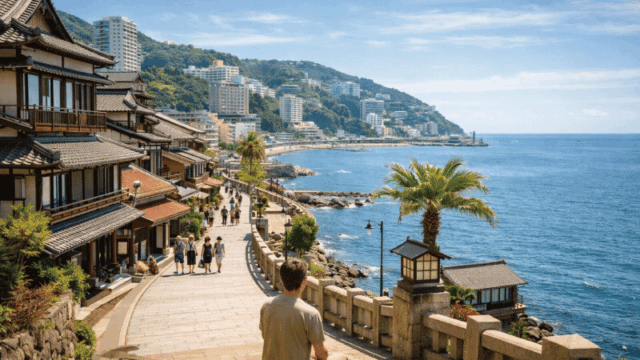
Atami is located along the coast and is extremely easy to reach from Tokyo by Shinkansen. The travel itself is straightforward, signage is clear, and even first-time visitors rarely feel lost. That alone removes a huge layer of stress. When you arrive, the town is visibly used to tourists, including overseas travelers. Staff at ryokan and bath facilities are generally more accustomed to explaining things in simple English, and the atmosphere tends to be more forgiving if you make a small mistake.
Another big difference is choice. In Atami, you will find many ryokan offering private baths, reservable family baths, or in-room baths. For travelers with tattoos, this dramatically lowers anxiety. You are no longer asking “Will this be okay?” You already know it will be. That sense of certainty is powerful, especially if this is your first or second visit to Japan.
From a cultural perspective, Atami is still very much a real onsen town. You are not missing out on authenticity. What changes is the learning curve. Instead of navigating mixed bathing rules, rural transport, and subtle local etiquette all at once, you can focus on enjoying the hot water, the food, and the rhythm of a Japanese ryokan stay.
Think of it this way: Atami-onsen is like learning to drive on a quiet road before trying a mountain pass. Both are valid, but timing matters.
If you are the kind of traveler who wants your first onsen experience to feel calm, predictable, and forgiving, Atami-onsen may protect your enjoyment far better than pushing yourself into a more complex environment. Once you have that confidence, places like takaragawa onsen often feel much easier to approach on a future trip.
The goal here is never to force a destination on you. It is to help you choose the experience where you can relax your shoulders, stop second-guessing yourself, and actually enjoy being in Japan. If that means Atami-onsen this time, that is a smart decision, not a compromise.